Pirelli Calendar 2027: India, Beyond a Single Gaze
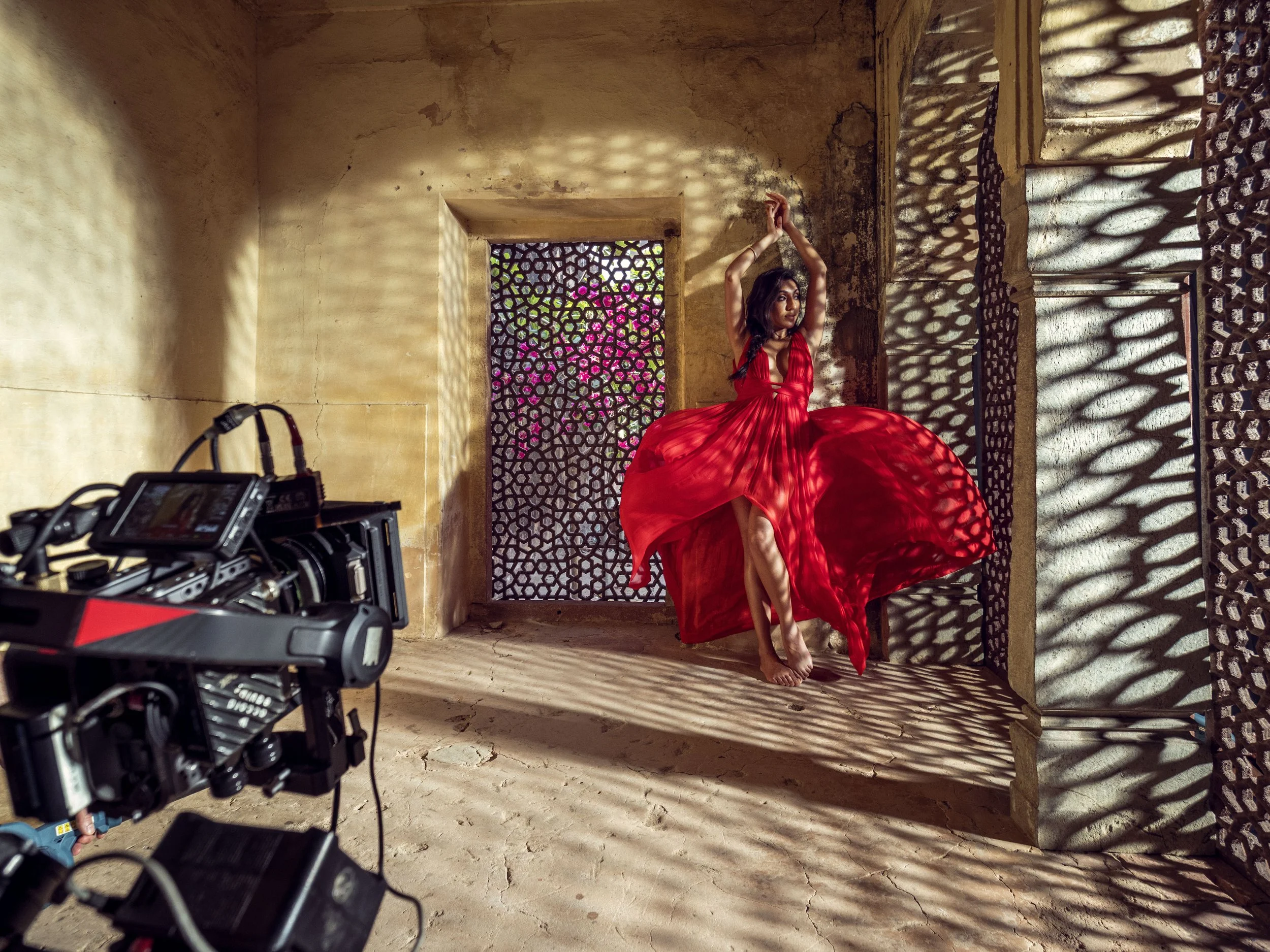
Photo: Sølve Sundsbø
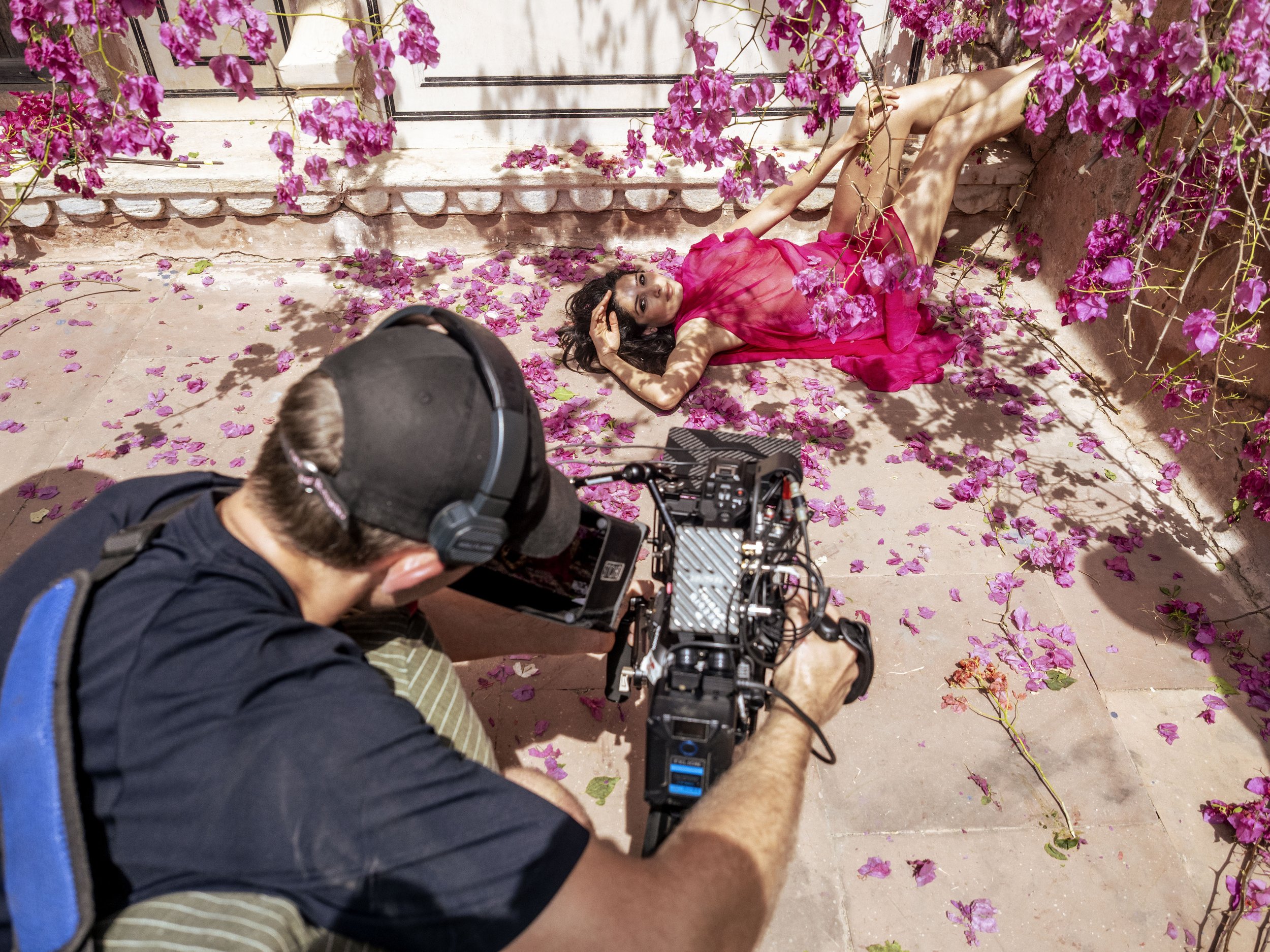
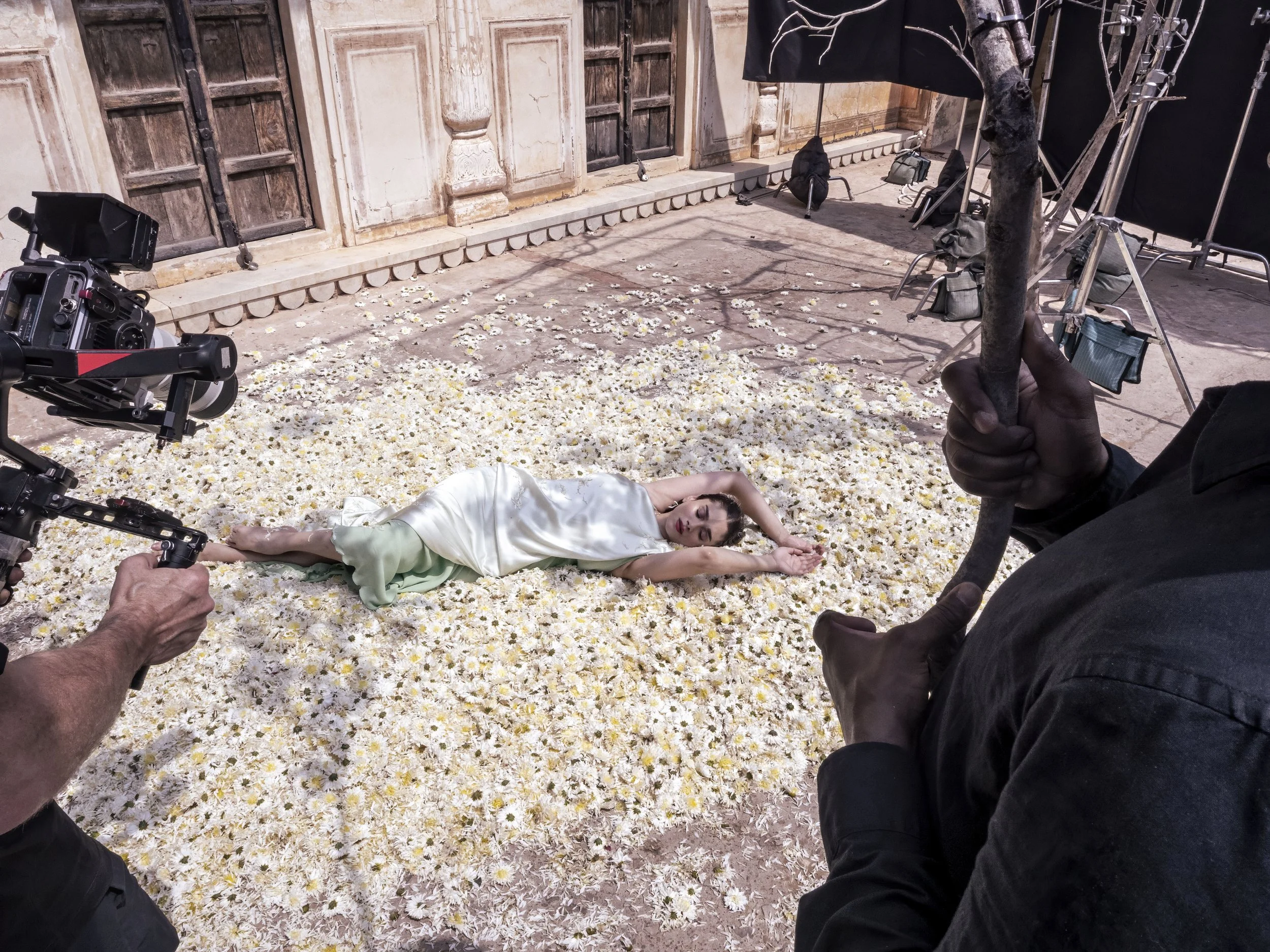
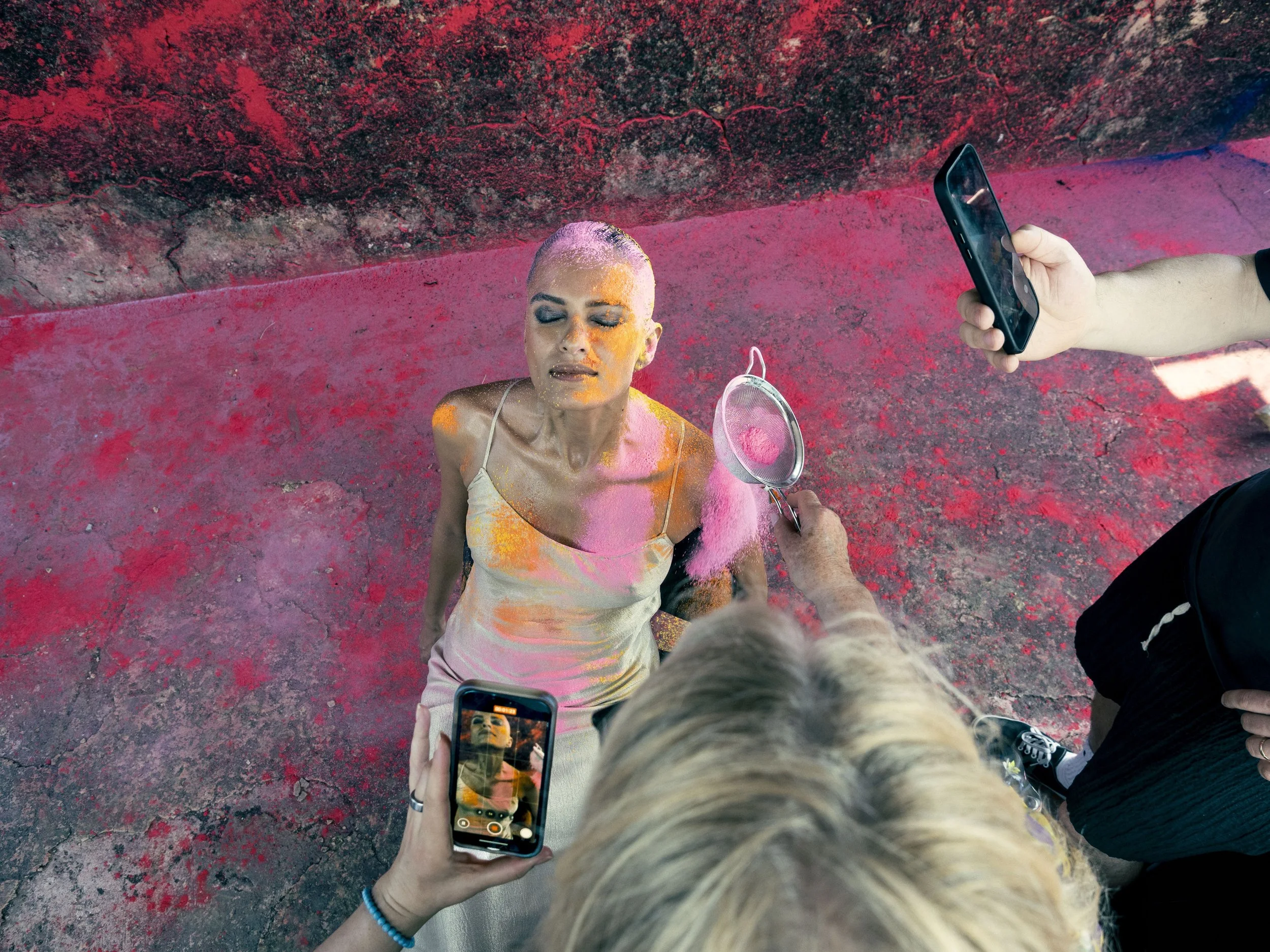
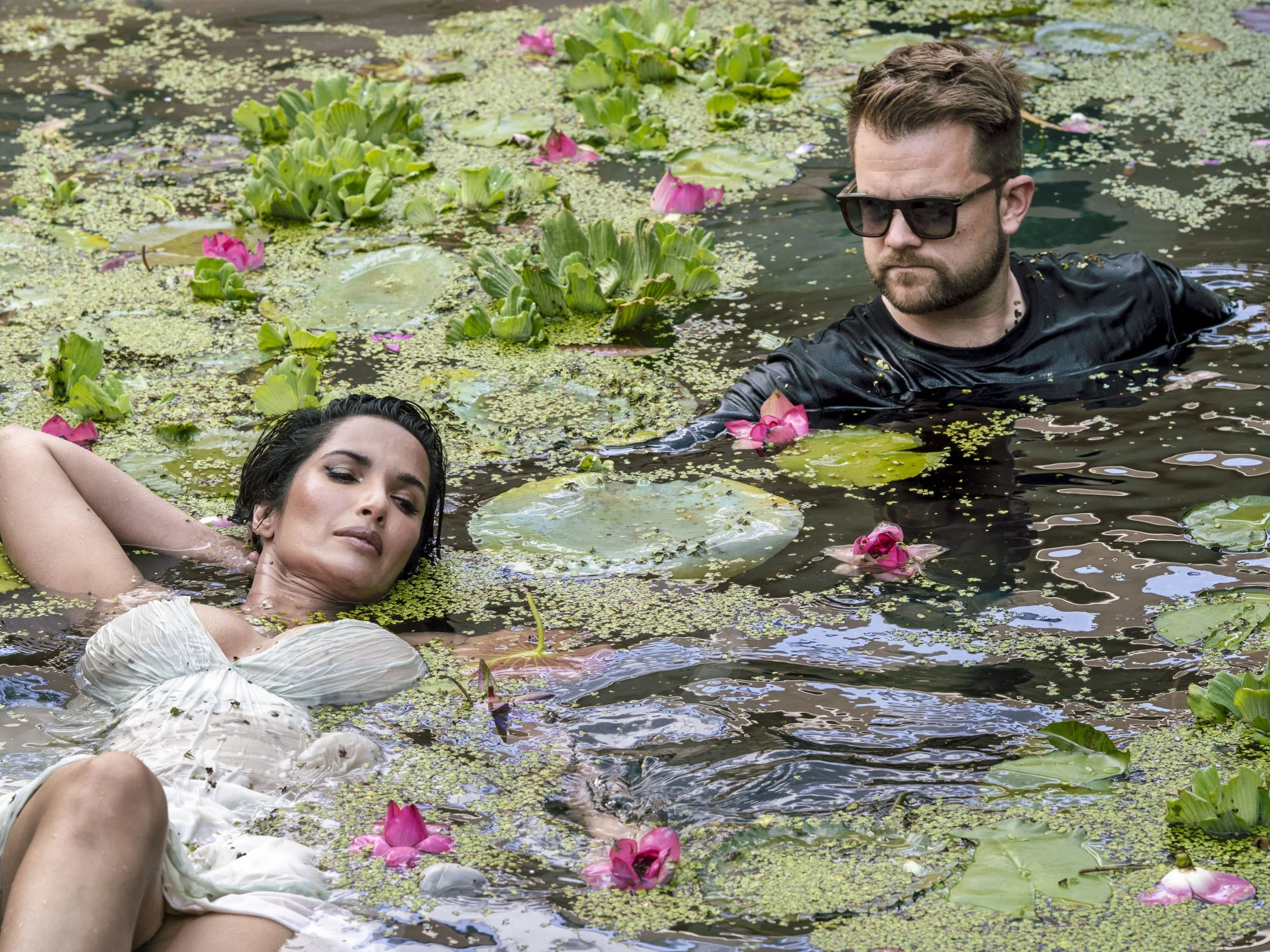
For the first time in its history, the Pirelli Calendar turns entirely to India. In London, Avesso Magazine spoke with Sølve Sundsbø and Avani Rai about identity, memory, photography and the impossibility of capturing a country through a single point of view.
Some images tell us what something looks like. Others reveal how we have chosen to look at it.
For more than six decades, the Pirelli Calendar has belonged to the second category.
First published in 1964, The Cal was conceived by Pirelli’s British subsidiary as something far more ambitious than the promotional calendars traditionally associated with the automotive industry. Art director Derek Forsyth commissioned photographer Robert Freeman, already known for his work with The Beatles, to create an object that could combine photography, culture and the spirit of its time.
The first edition, photographed in Majorca, became the beginning of a cultural phenomenon.
Since then, photographers including Richard Avedon, Annie Leibovitz and Peter Lindbergh have helped transform The Cal into one of photography’s most recognisable commissions. Its visual language has changed with the decades, moving beyond conventional ideas of glamour to engage increasingly with identity, representation and the way beauty itself is perceived.
Now, in 2027, the Calendar enters new territory.
For the first time, an edition is centred entirely on India. It is also the first conceived through the work of two distinct photographic perspectives.
Originally, those perspectives belonged to Norwegian photographer Sølve Sundsbø and legendary Indian photographer Raghu Rai.
Rai died in April 2026, while the project was still in development. His daughter, photographer and filmmaker Avani Rai, subsequently stepped in to bring his vision to completion.
What emerged is not an attempt to define India.
It is something much more interesting: a conversation between ways of seeing it.
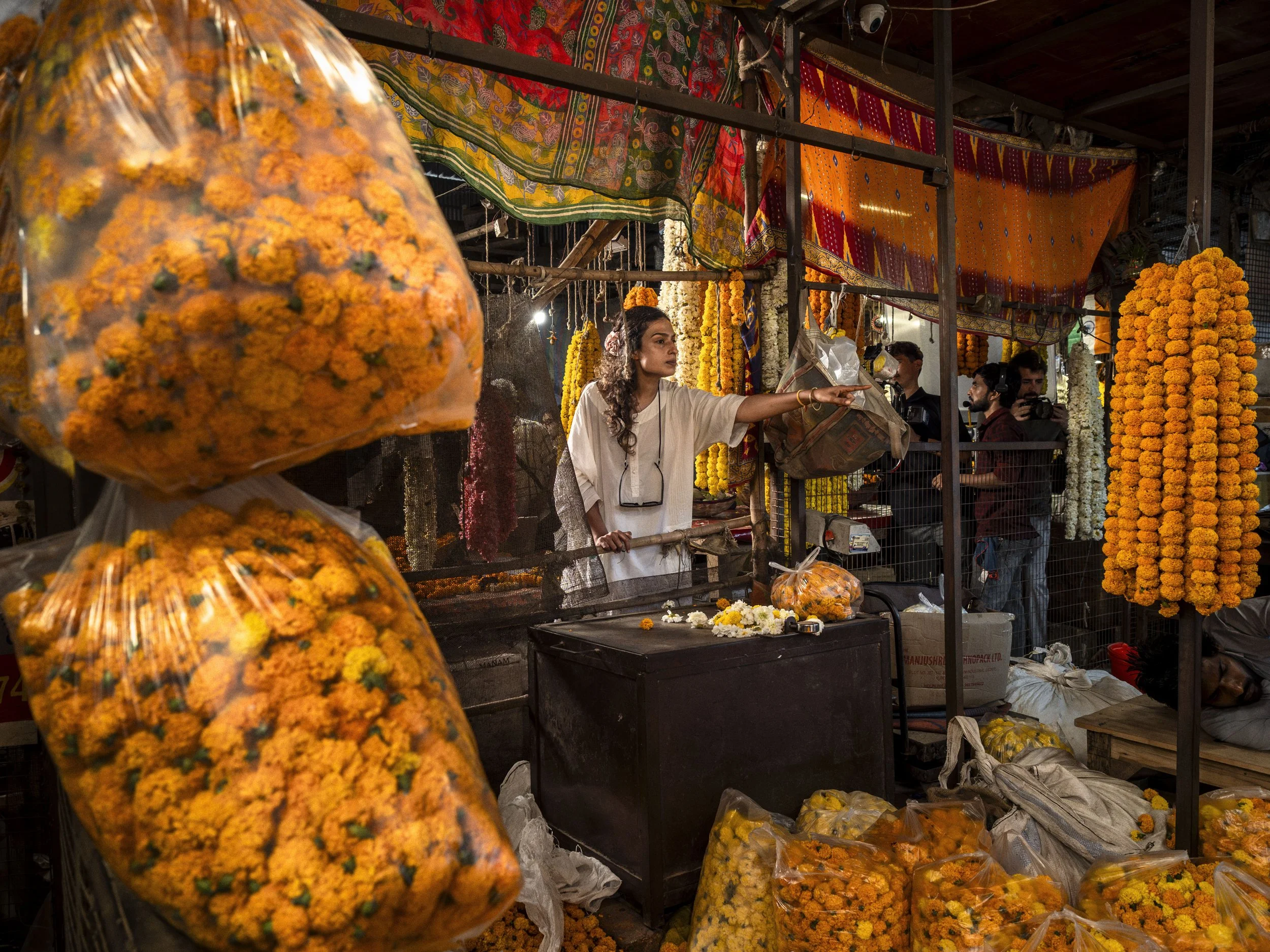
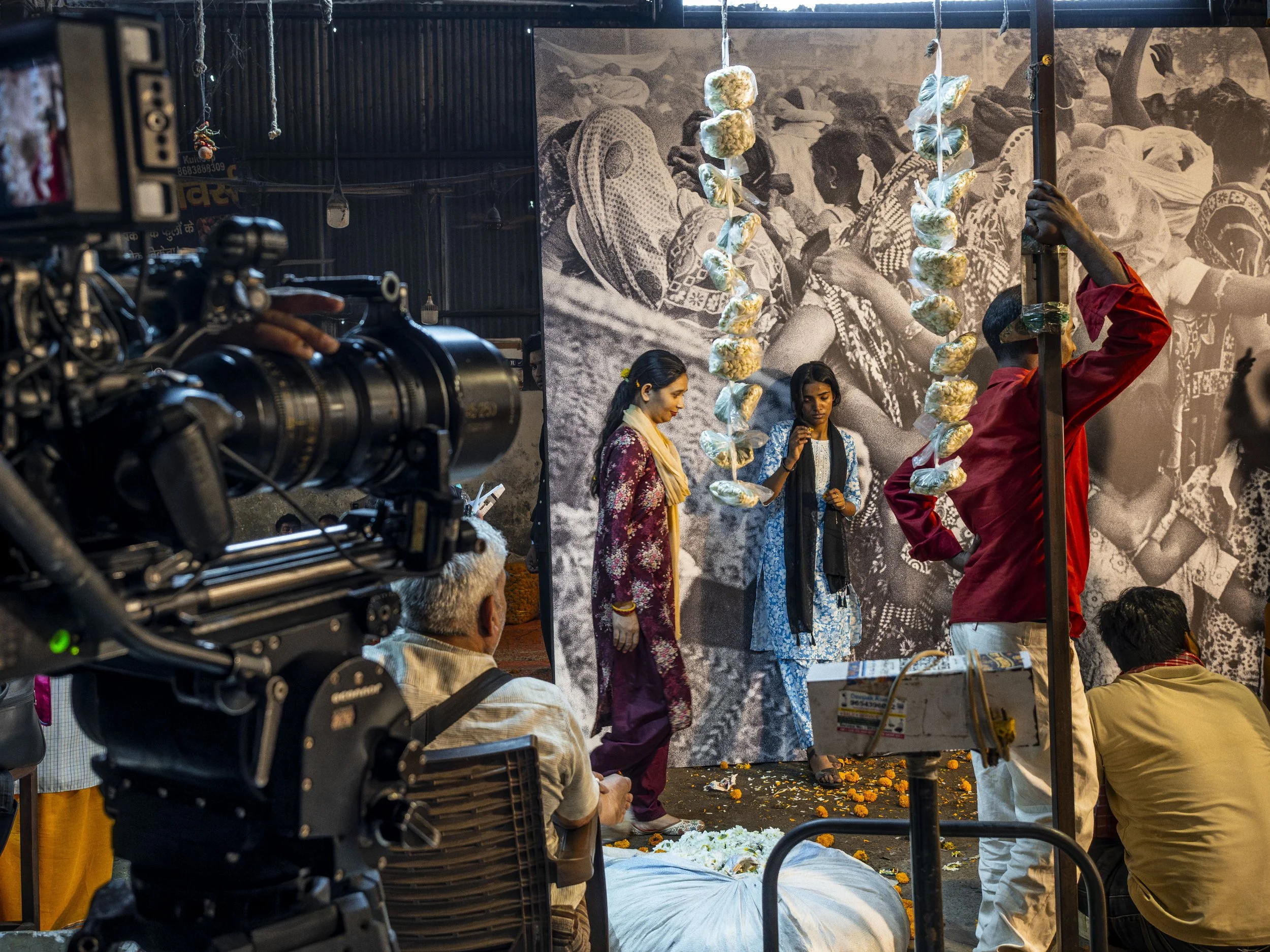
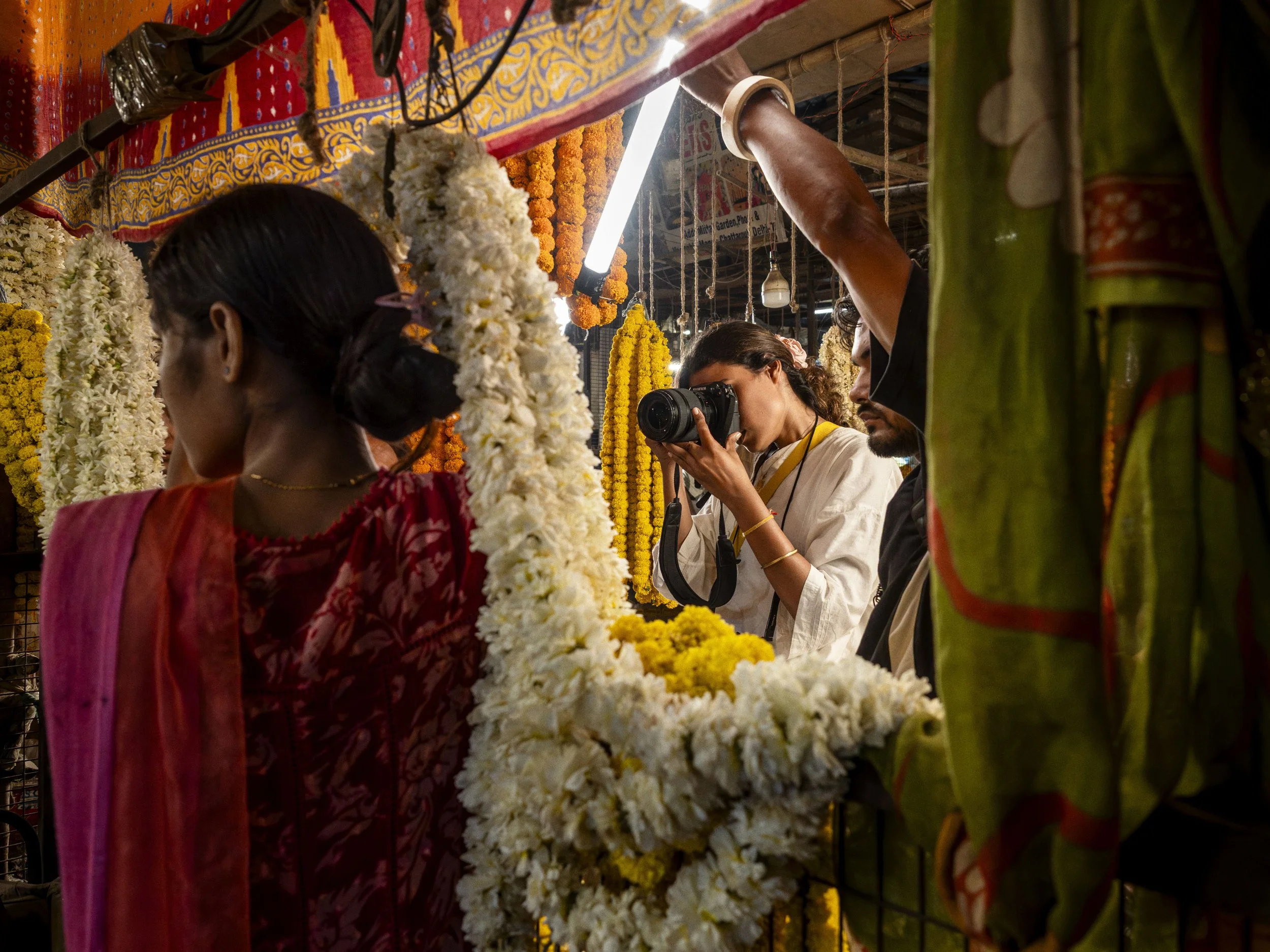
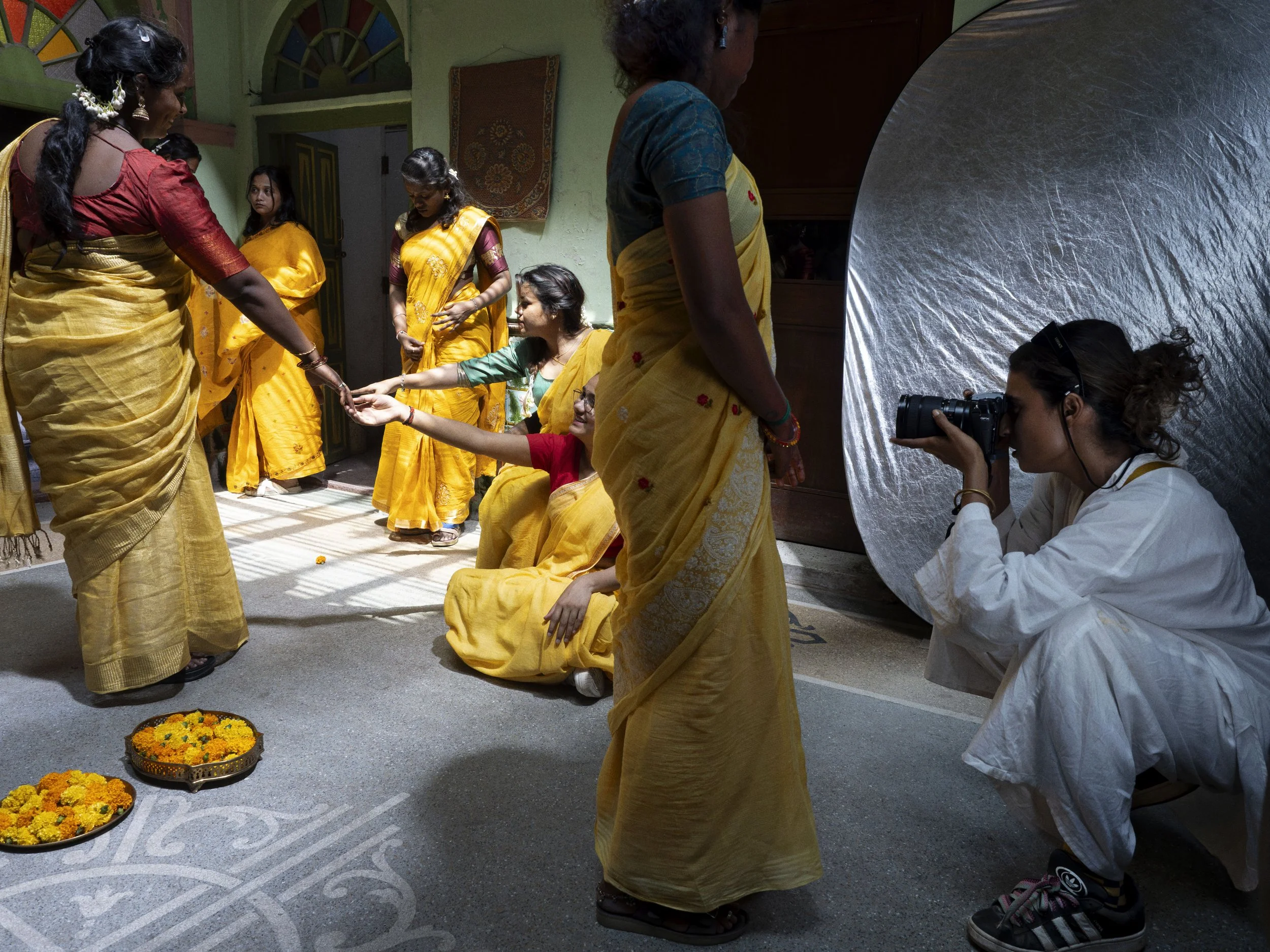
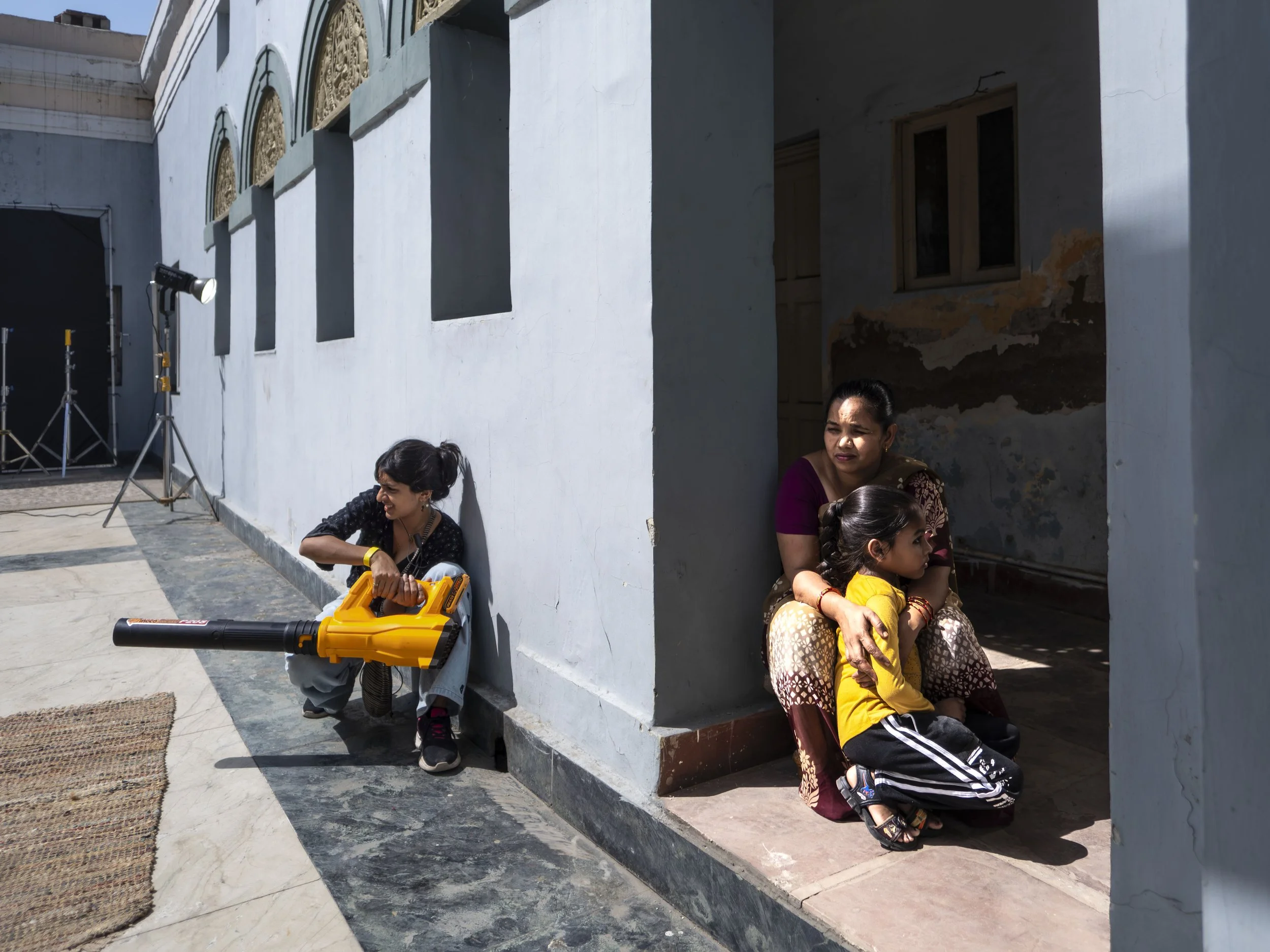
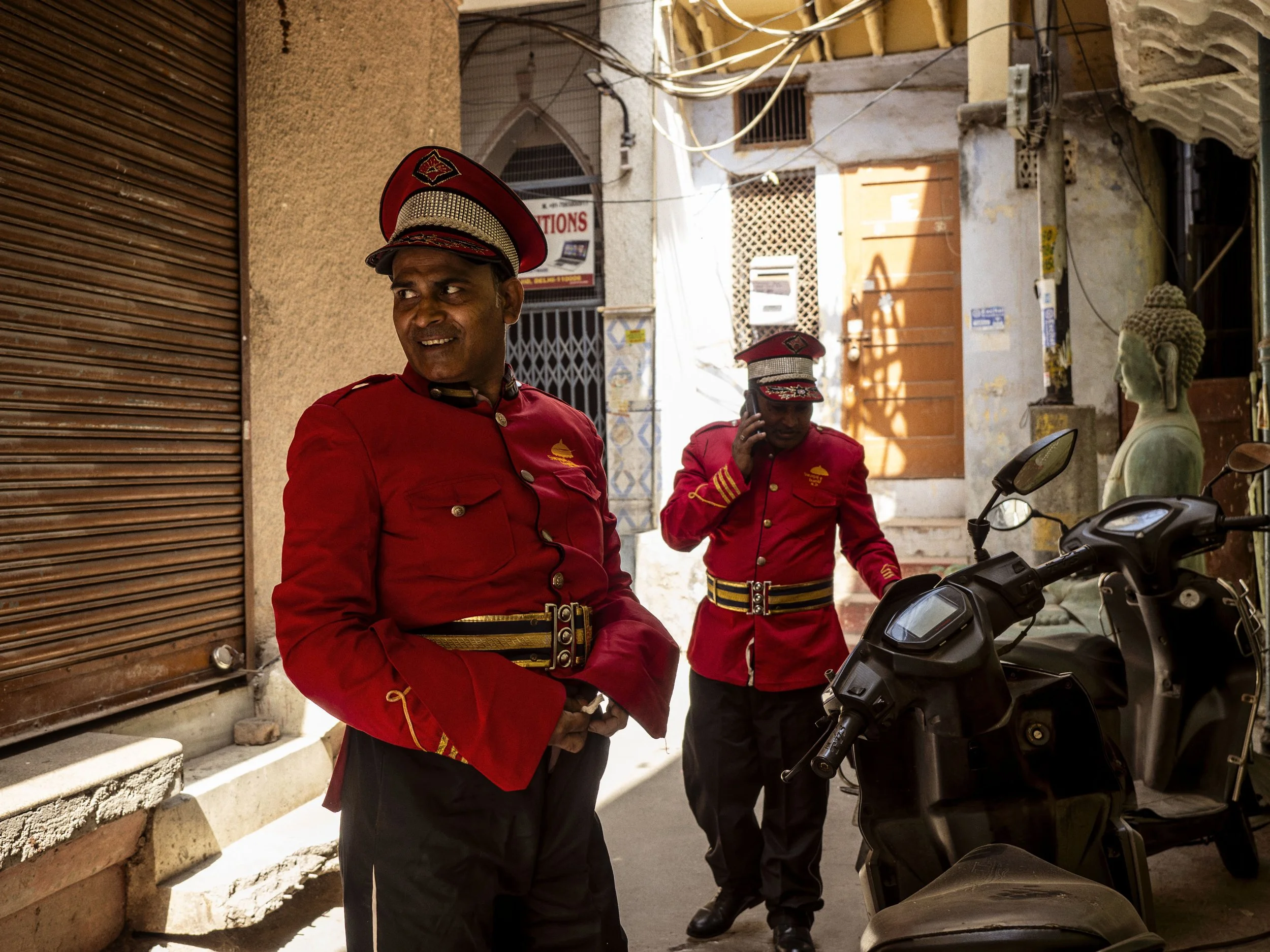
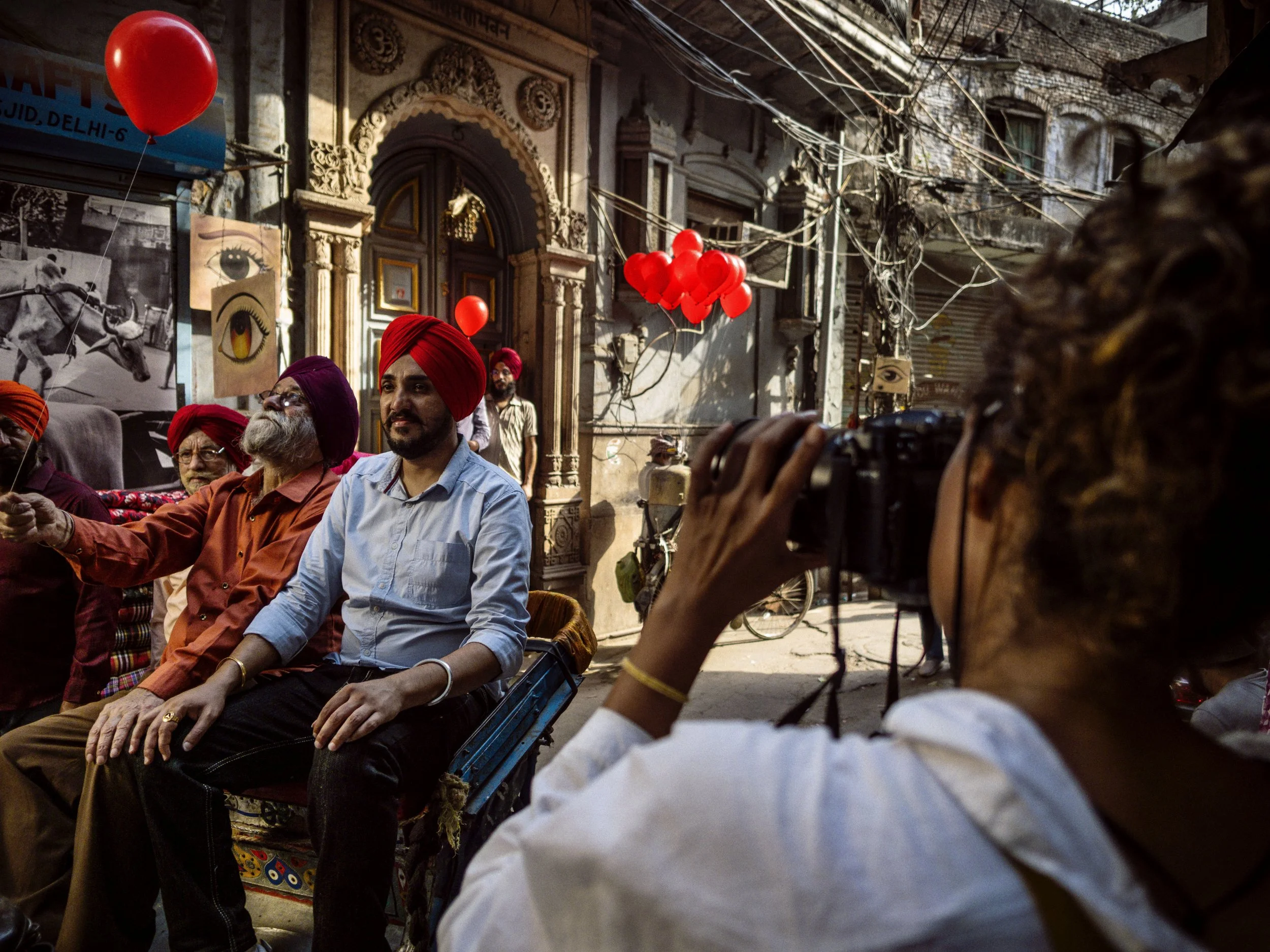
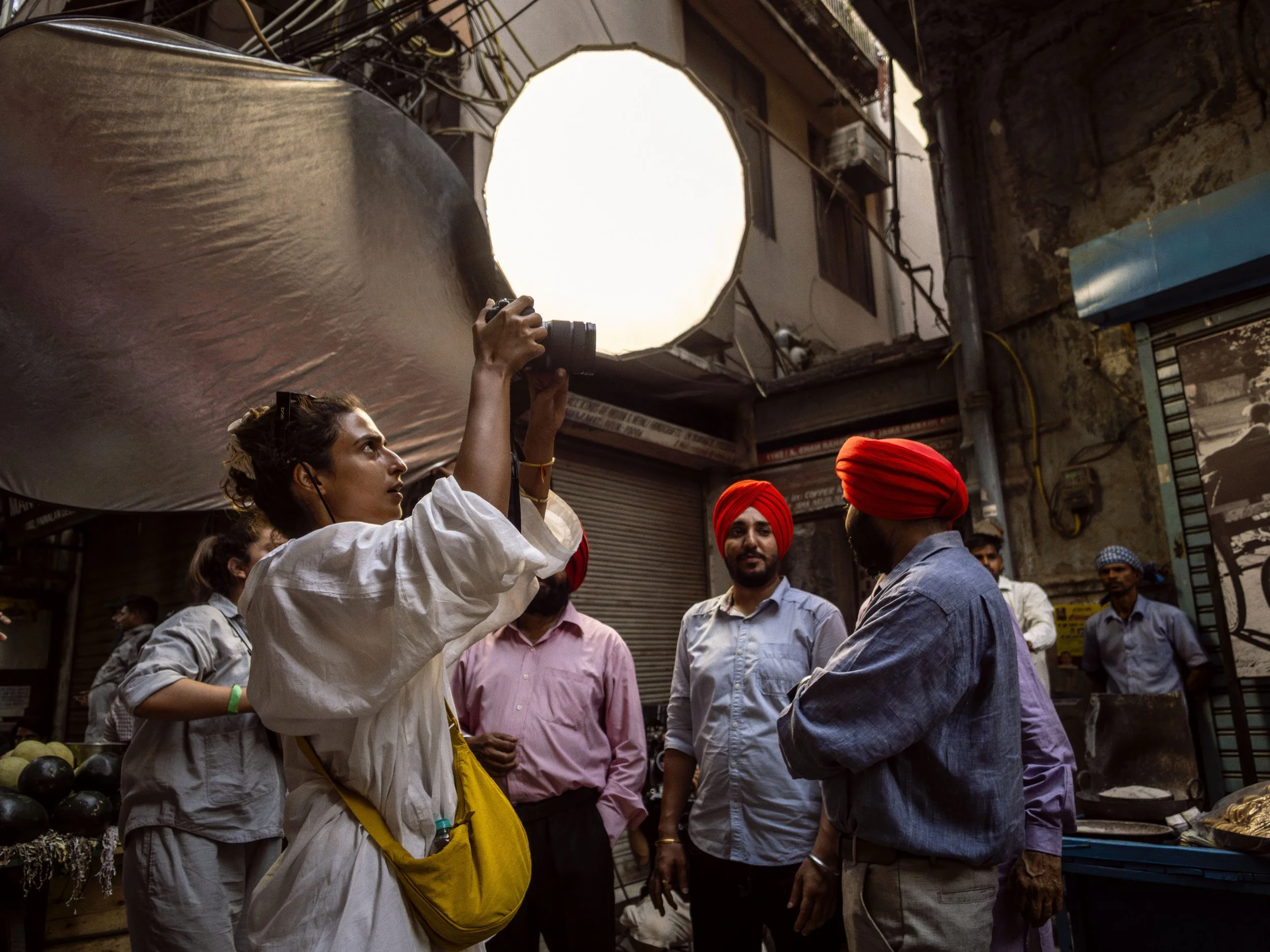
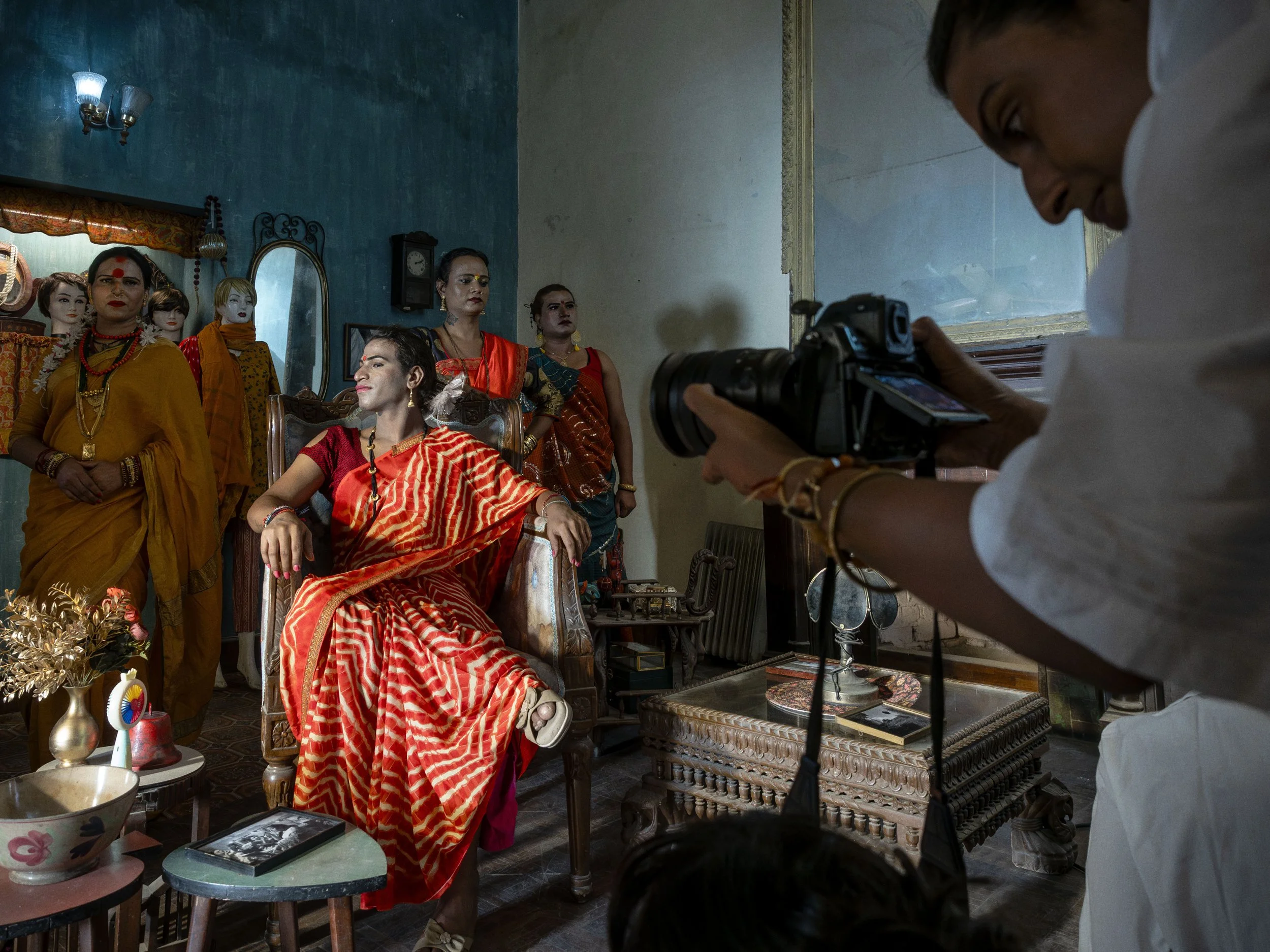
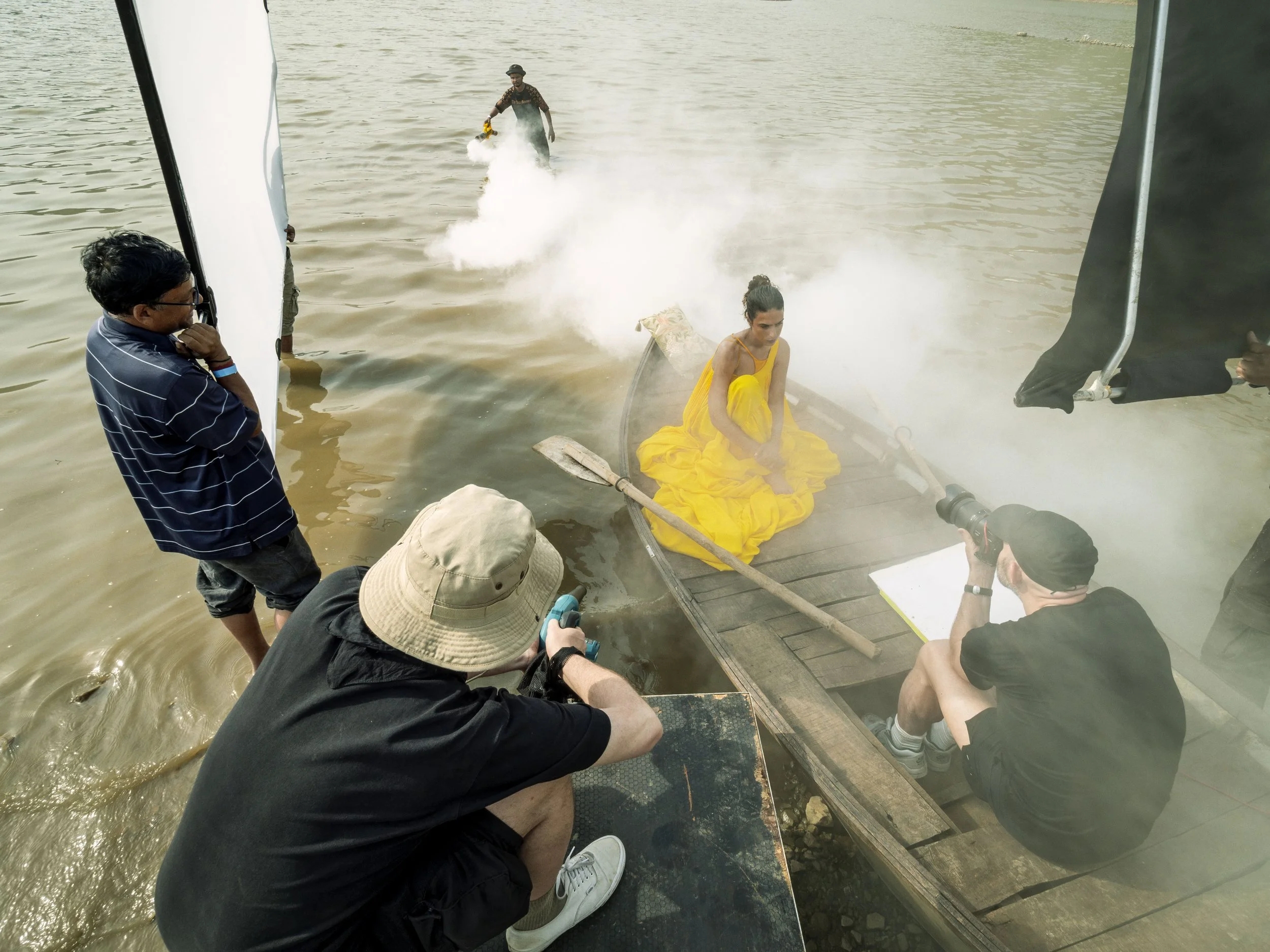
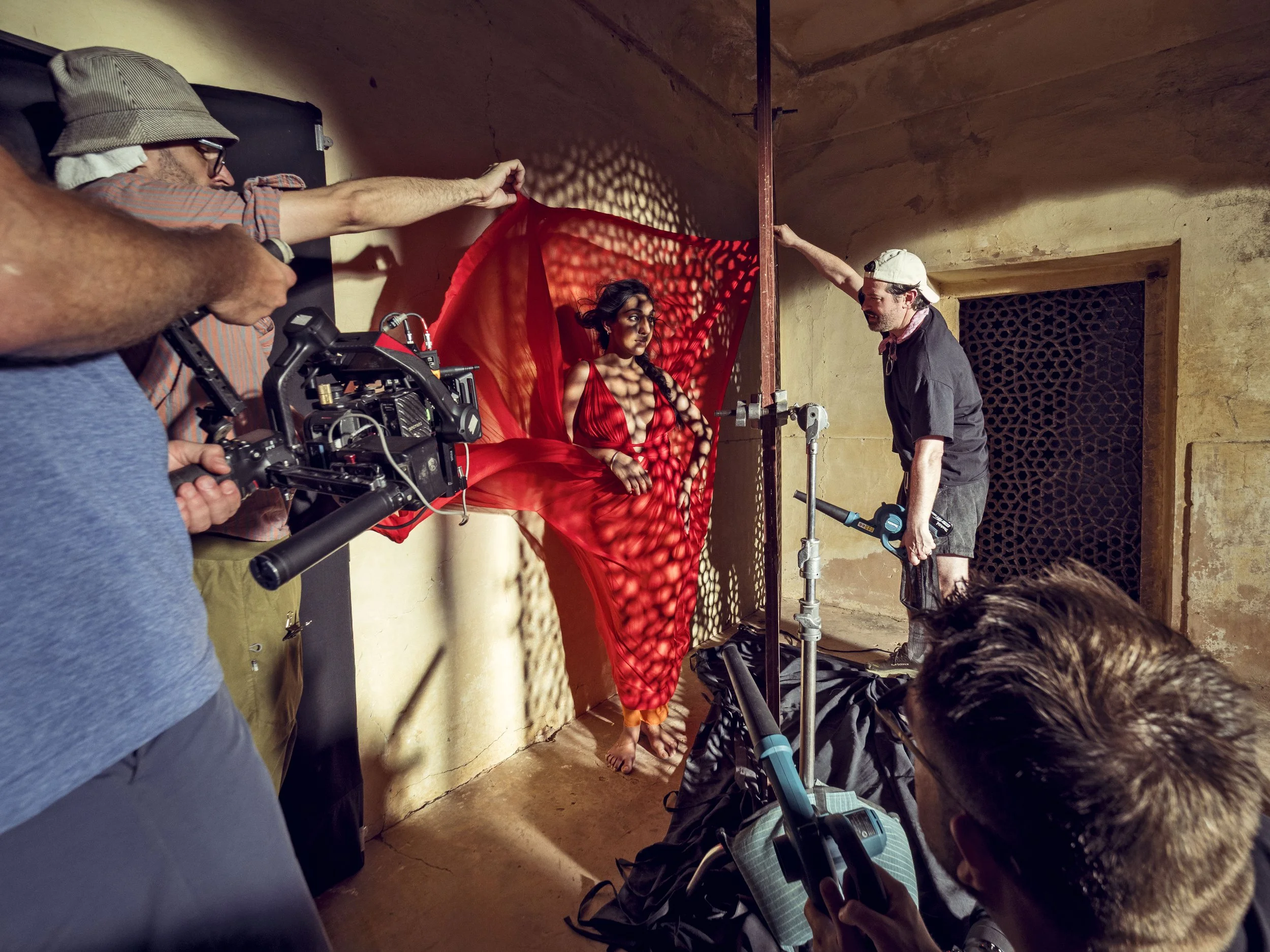
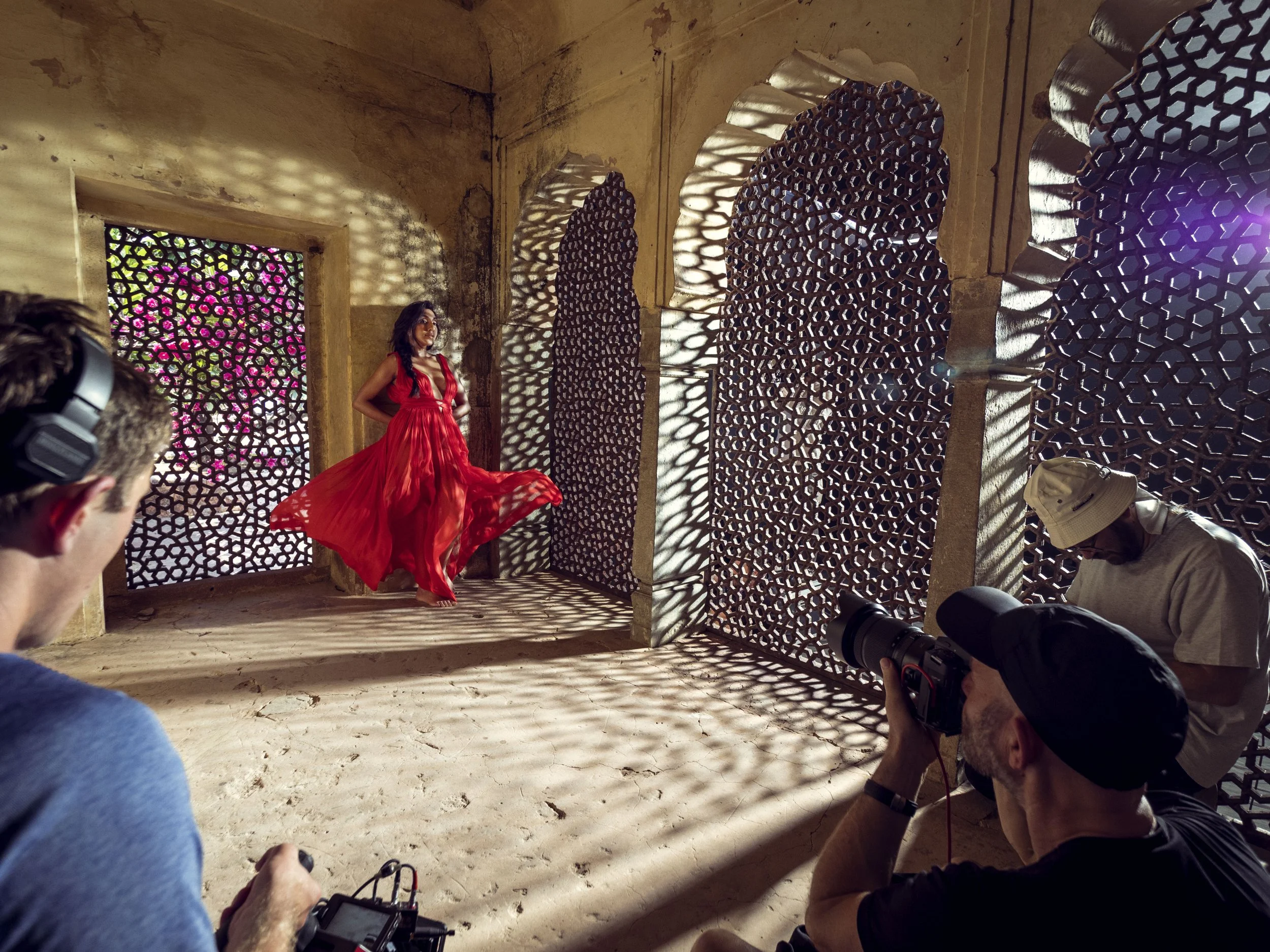
Sølve Sundsbø: seeing India from outside
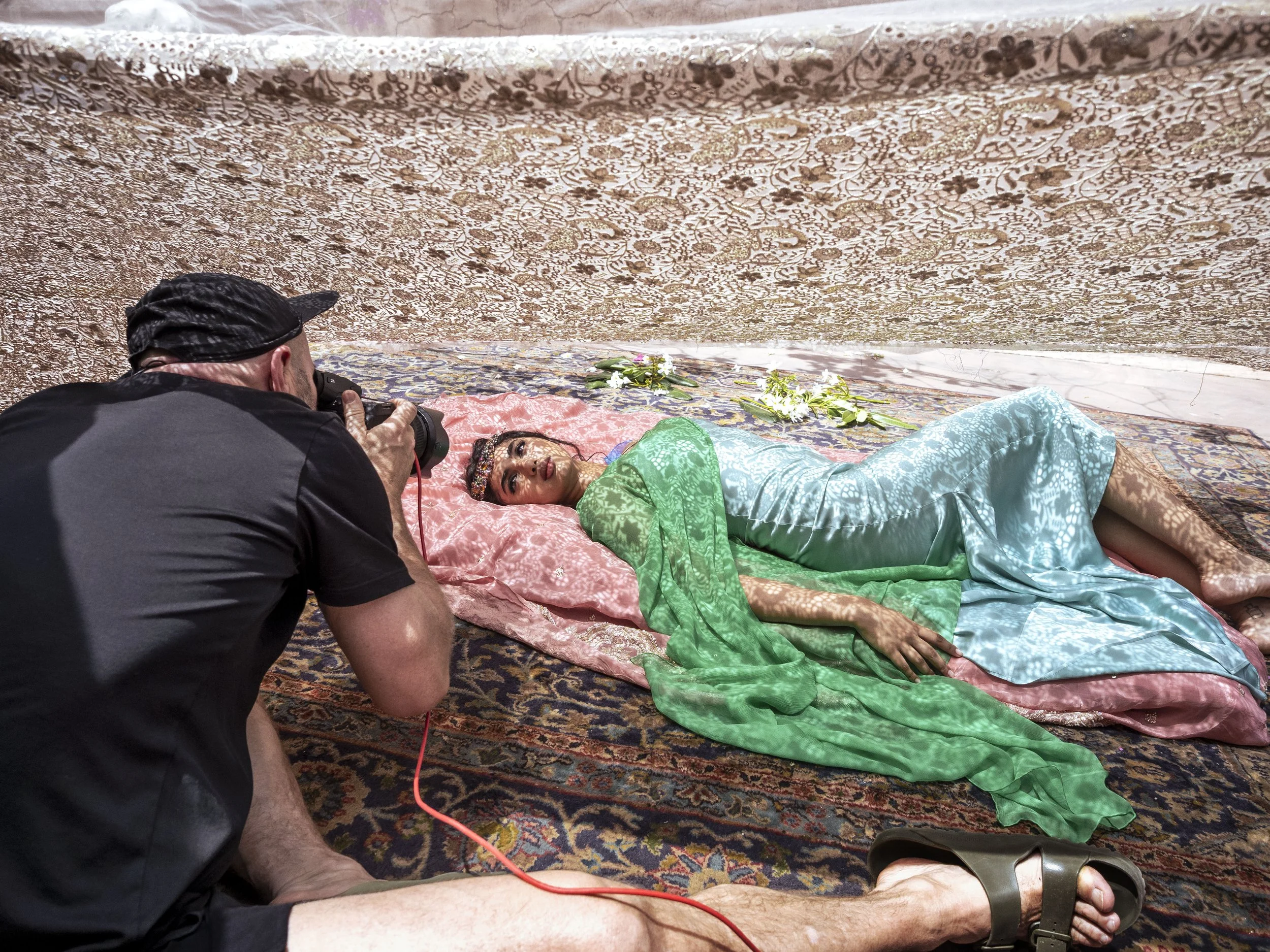
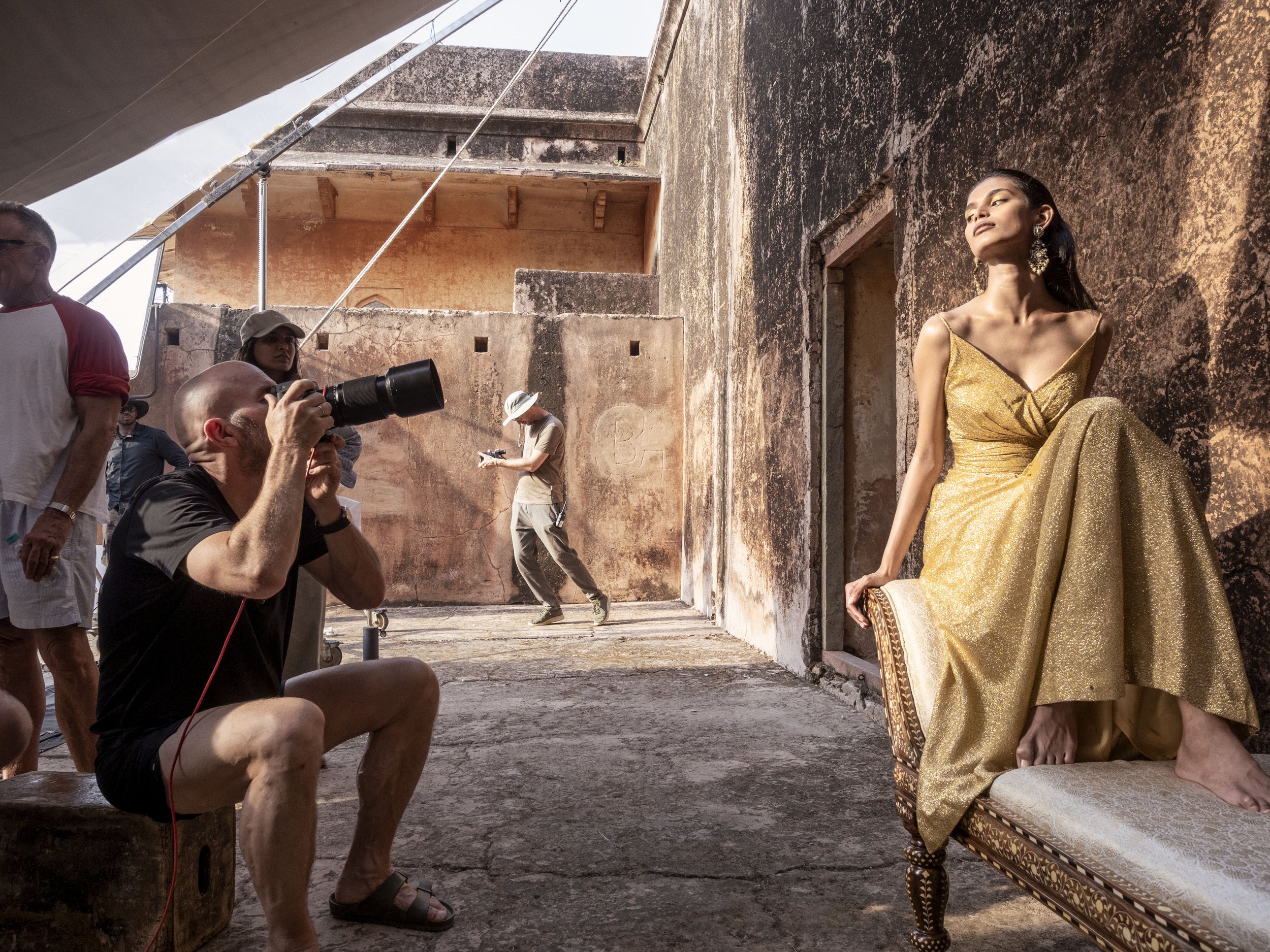
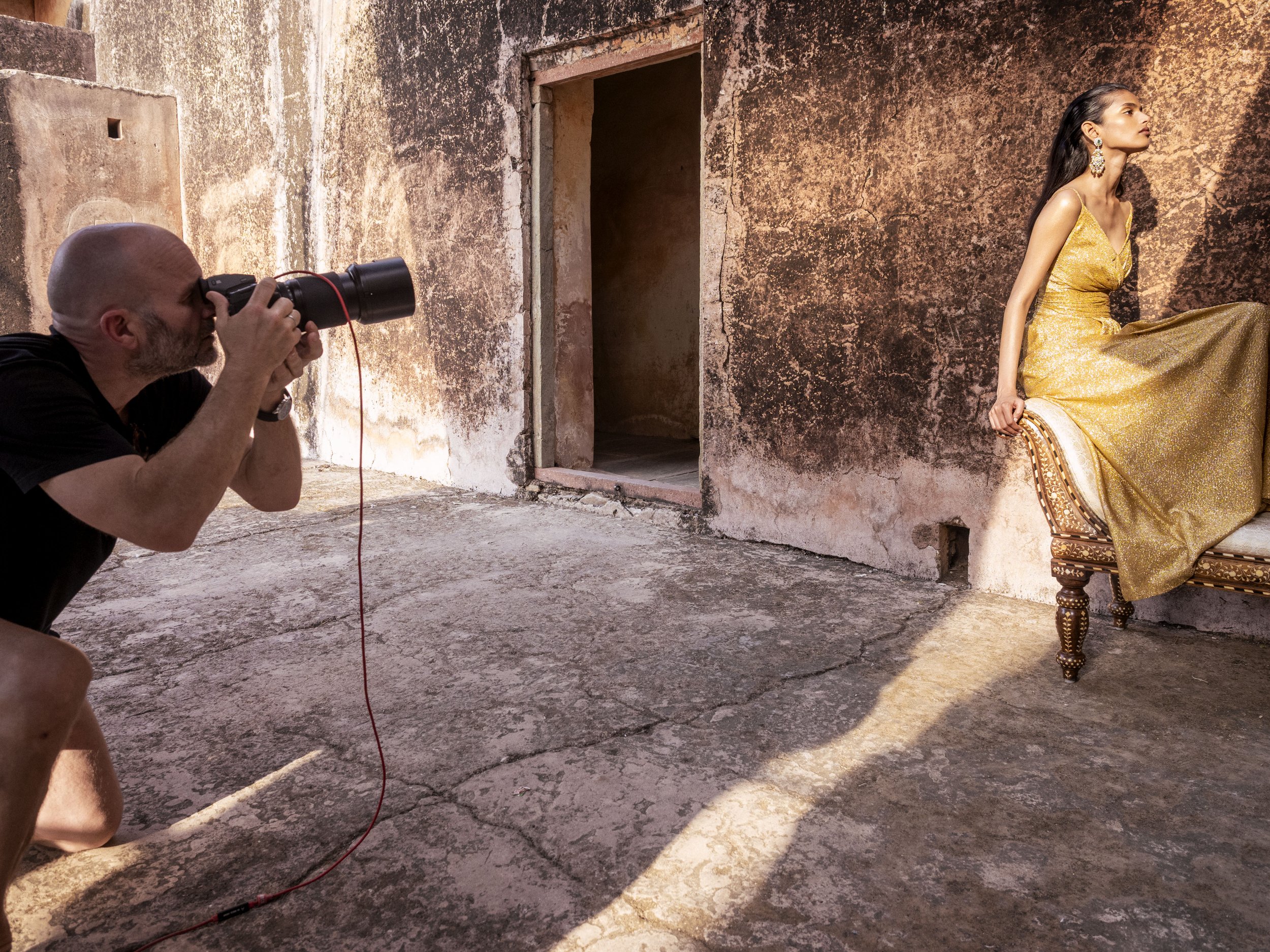
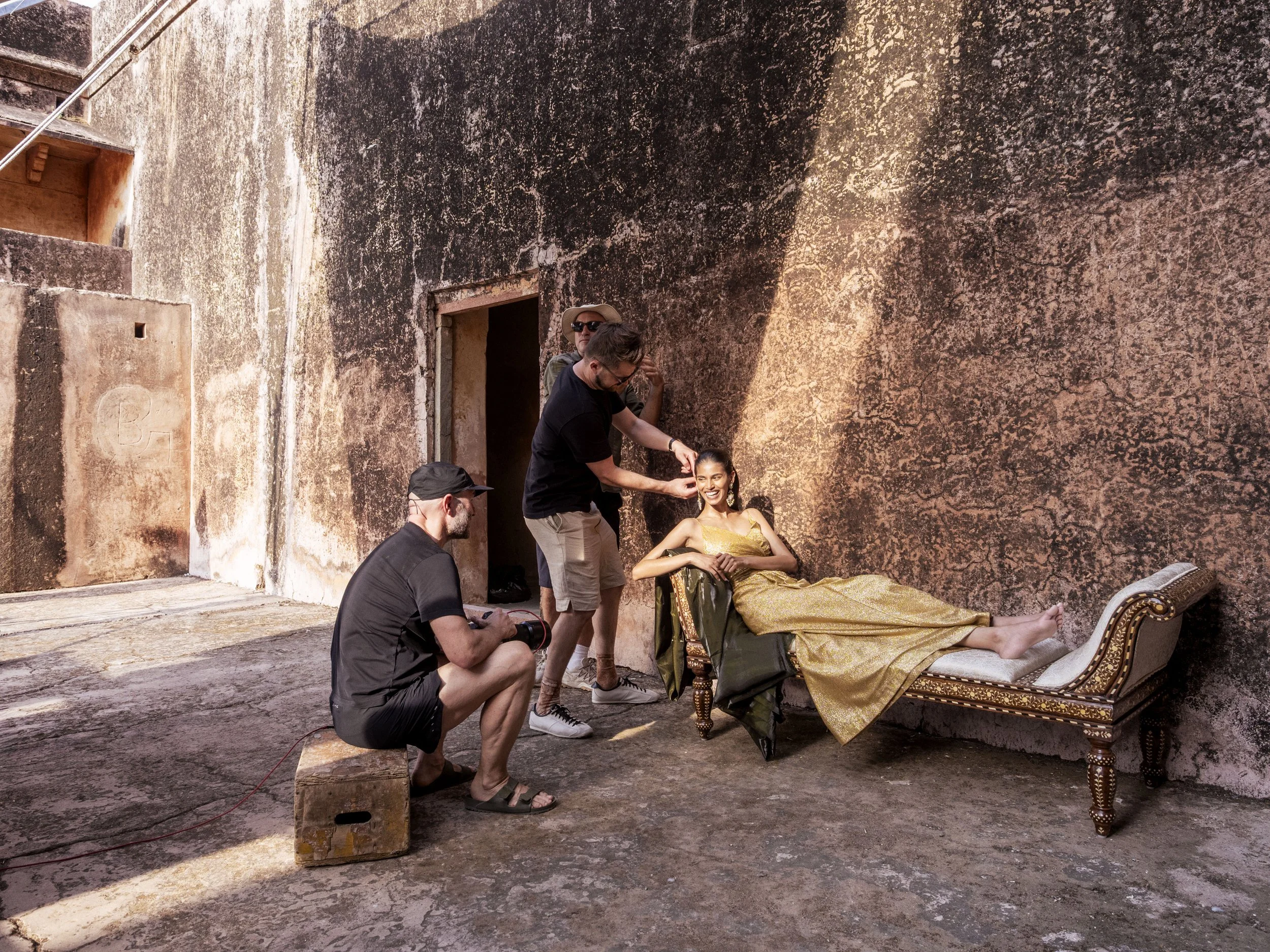
Sølve Sundsbø knows that he arrived in India as an outsider. And rather than trying to hide that fact, he made it part of the work.
Born in Norway and based in London, Sundsbø has built an international career around an experimental approach to fashion photography, moving freely between portraiture, technology, movement and visual manipulation.
But India presented a different challenge.
How do you photograph a country that already exists so powerfully in the global imagination without simply reproducing the images people expect to see?
When we think of India, there is often already a fixed image in our imagination. What inspired you most, and how did you avoid falling into that pre-existing vision of the country?
“India is so many things. There are mountains, deserts, beaches, jungles, huge cities. It is impossible to capture the essence of India. From the beginning, we had a kind of mantra: if you close your eyes and think of India, what do you see?”
It is perhaps the most important question behind his photographs.
India has been photographed endlessly, interpreted endlessly and often simplified endlessly.
Sundsbø understood that another foreign photographer arriving to announce what India “is” would be precisely the wrong starting point.
You arrived in India as an outsider. Did that change the way you decided to photograph?
“Absolutely. I’m from Norway. When you arrive in India as a guest, you need humility. It would be like me going to Brazil and saying I will explain Brazil. I don’t have that right. I can only show my perspective, what I see.”
That humility gives the project some of its intelligence.
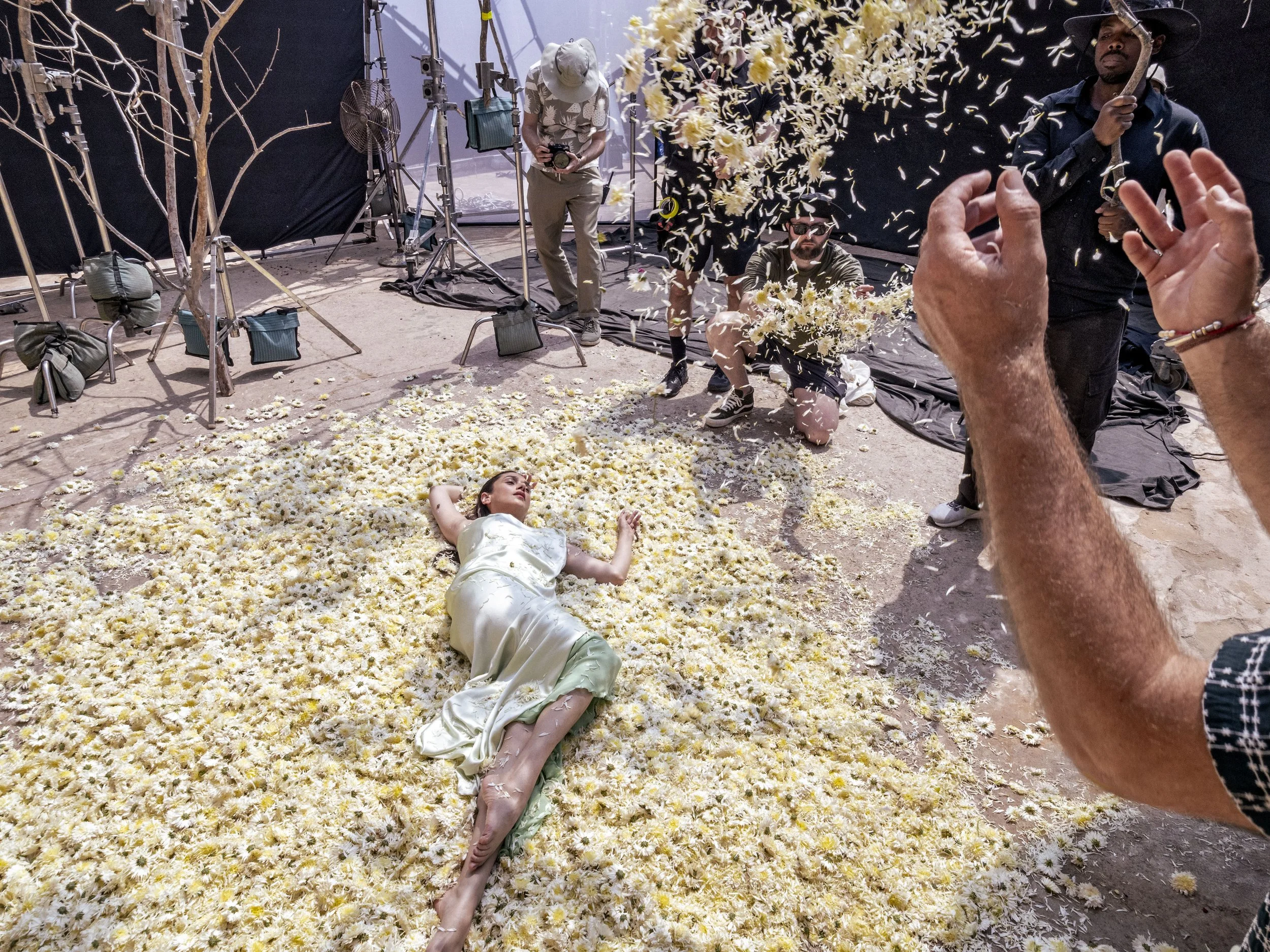
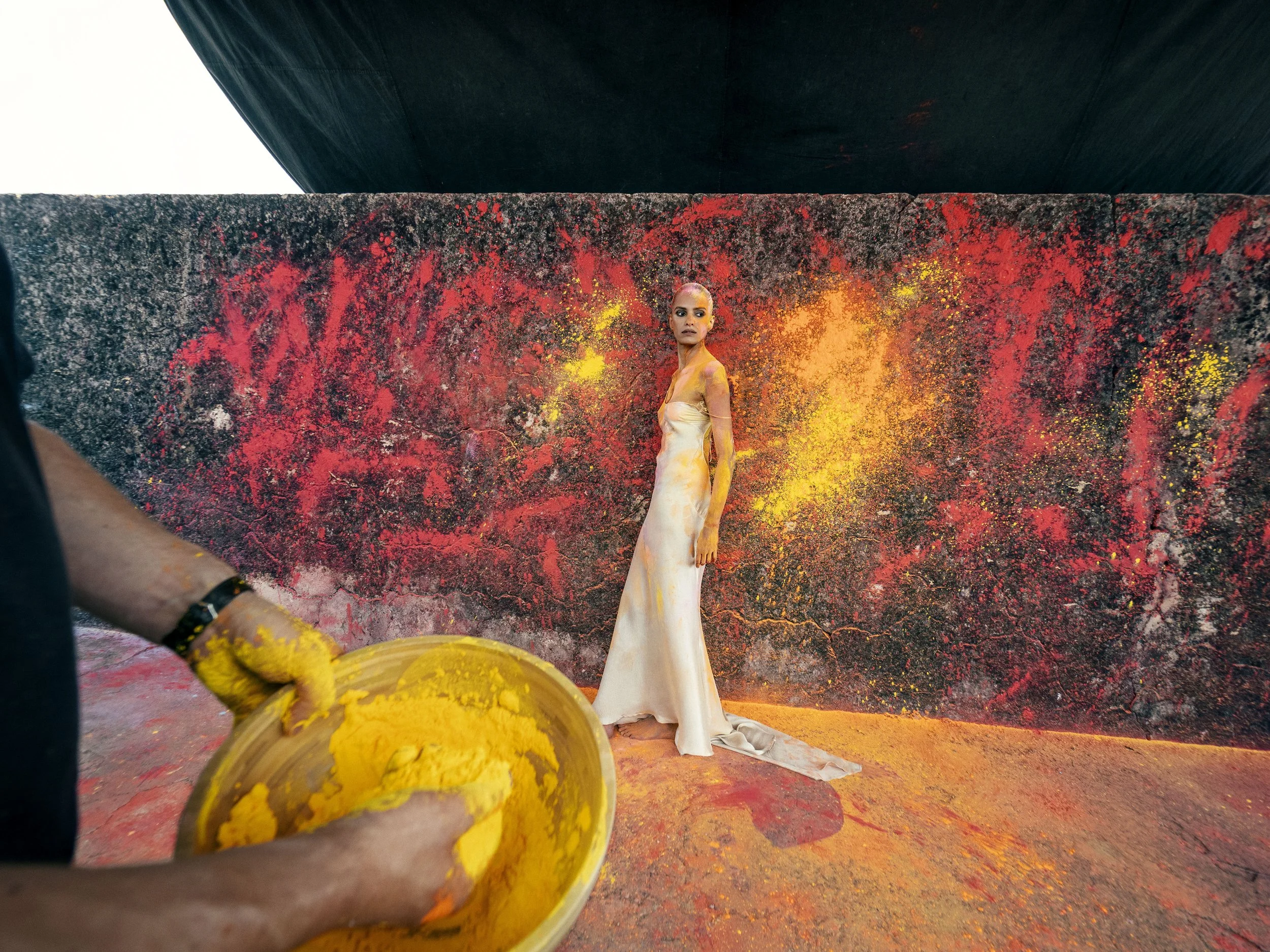
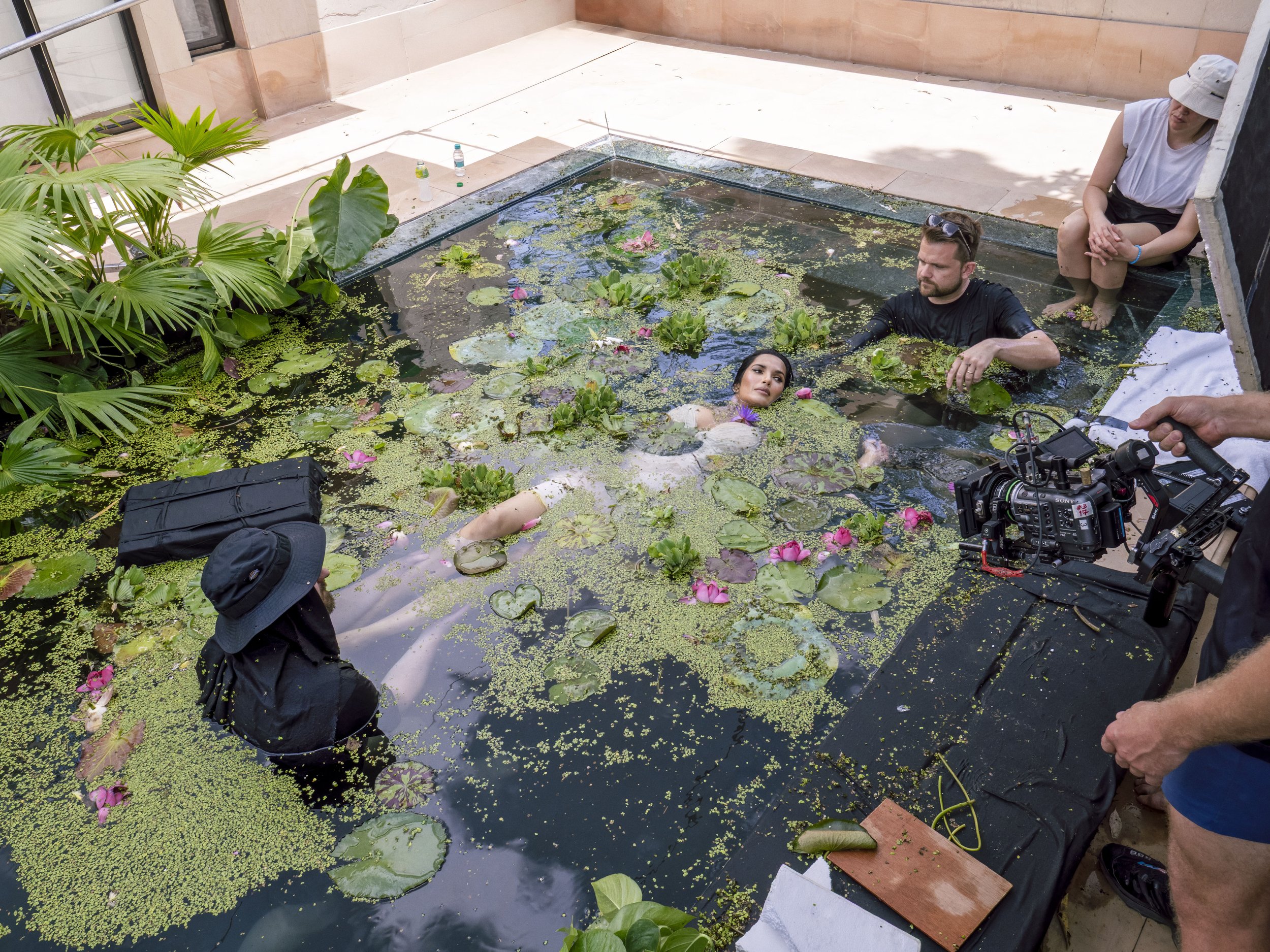
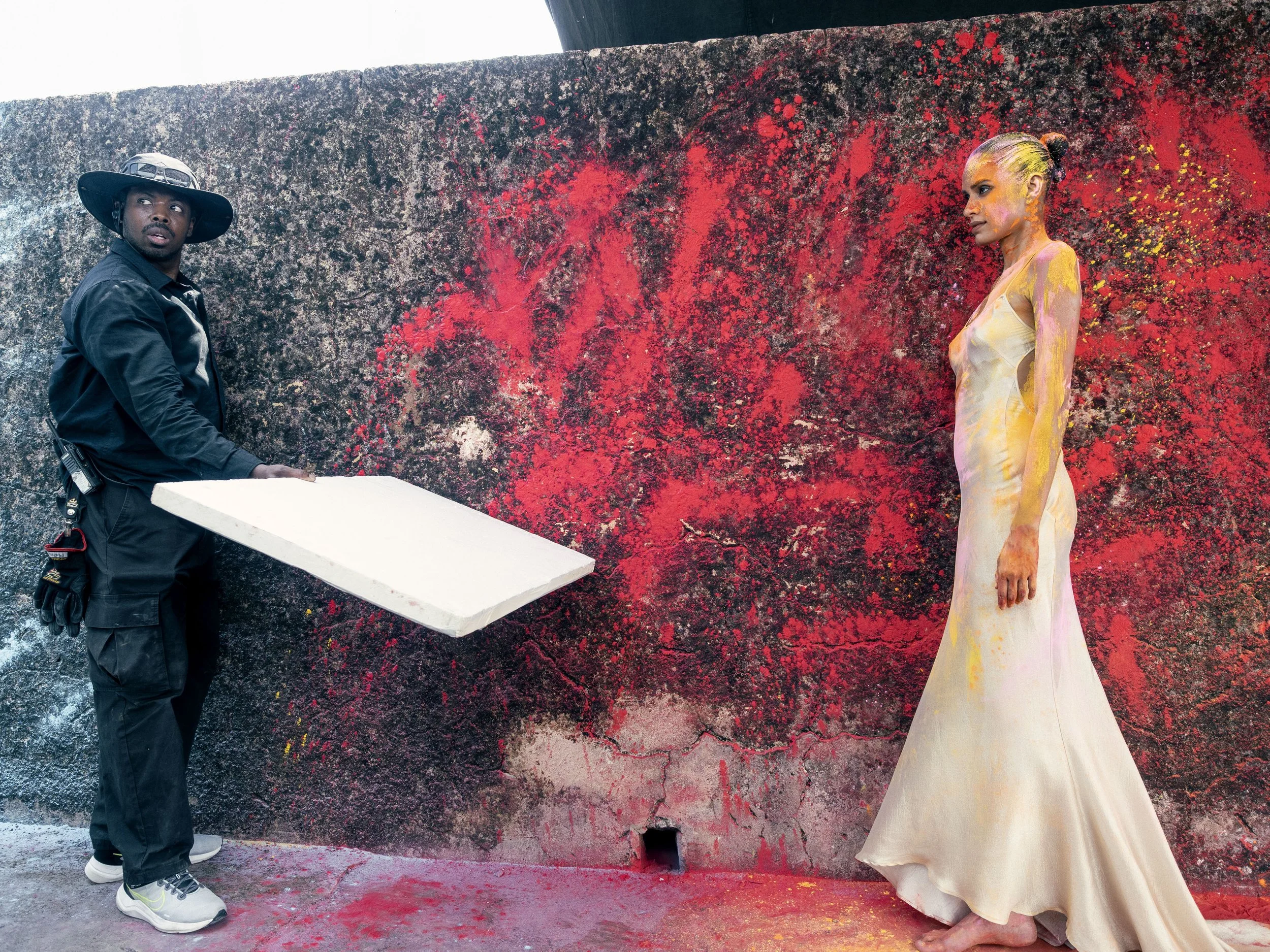
Instead of trying to photograph a nation, Sundsbø moves closer to individuals.
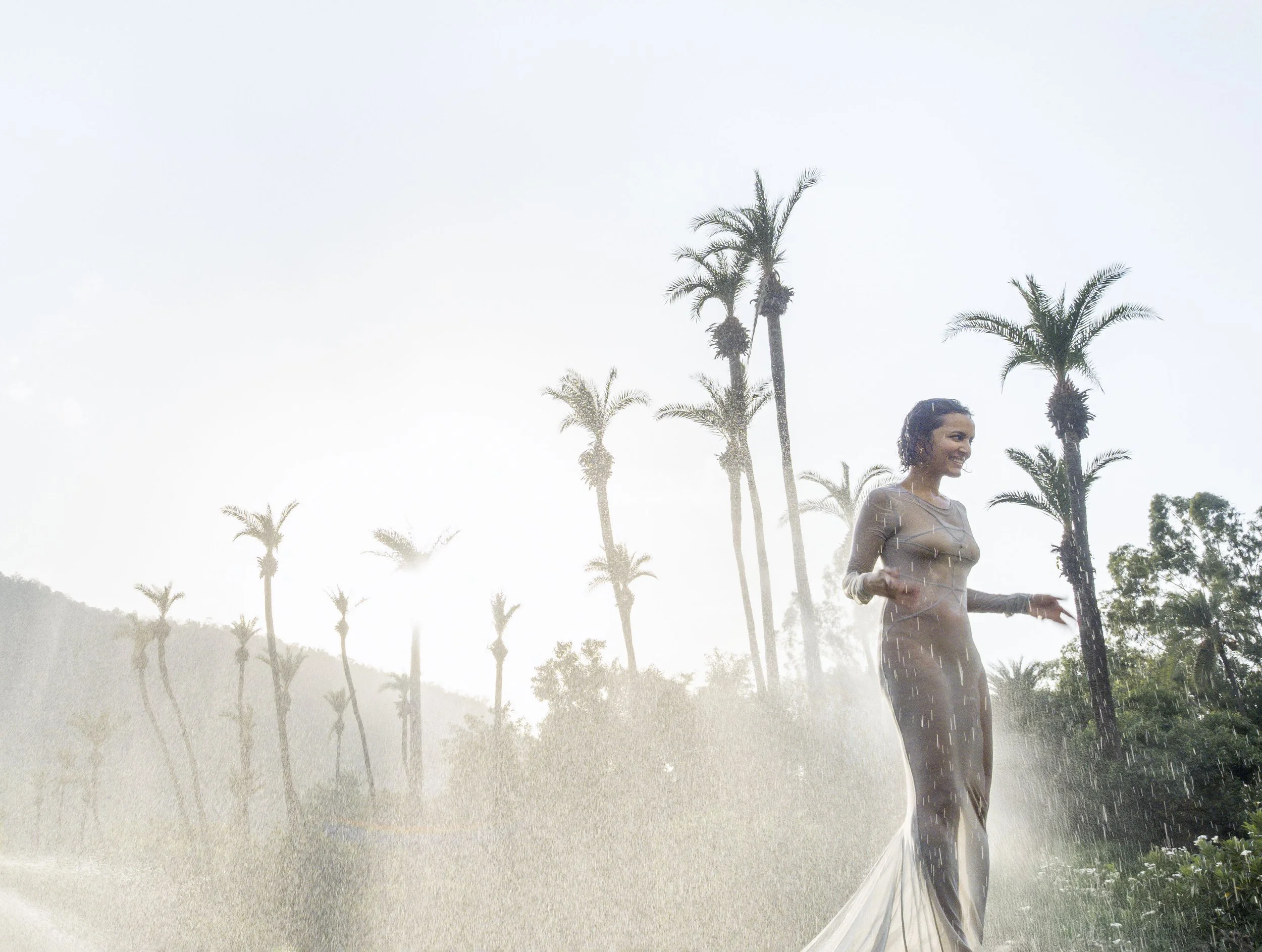
His portraits feature women whose identities and careers connect India with different generations and different parts of the world, among them Anoushka Shankar, Freida Pinto, Rupi Kaur, Padma Lakshmi and Avani Rai.
India is present, but none of these women is asked to carry the impossible burden of representing an entire country.
They remain themselves.
And despite Sundsbø’s deep association with fashion, the clothes are deliberately secondary.
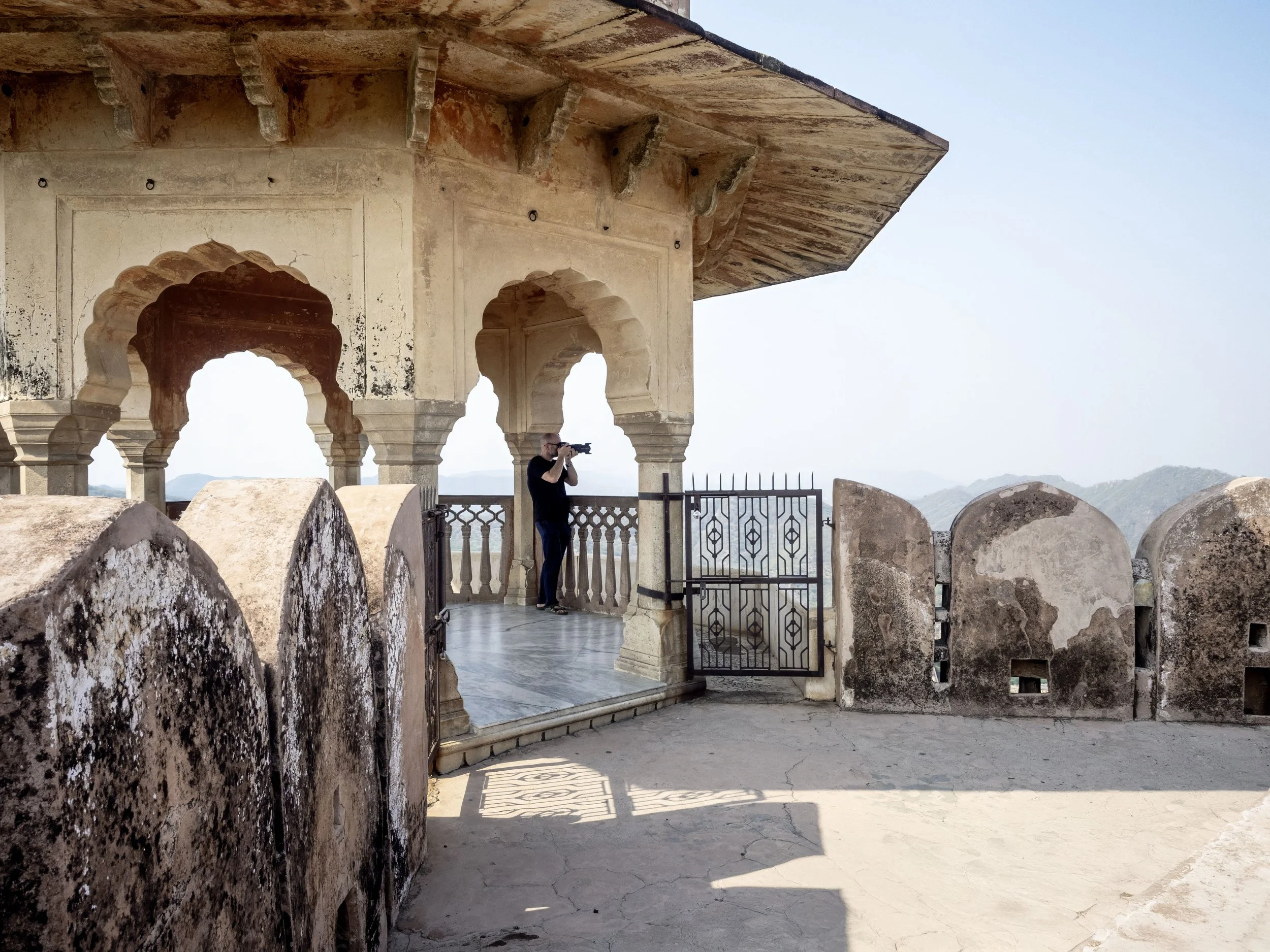
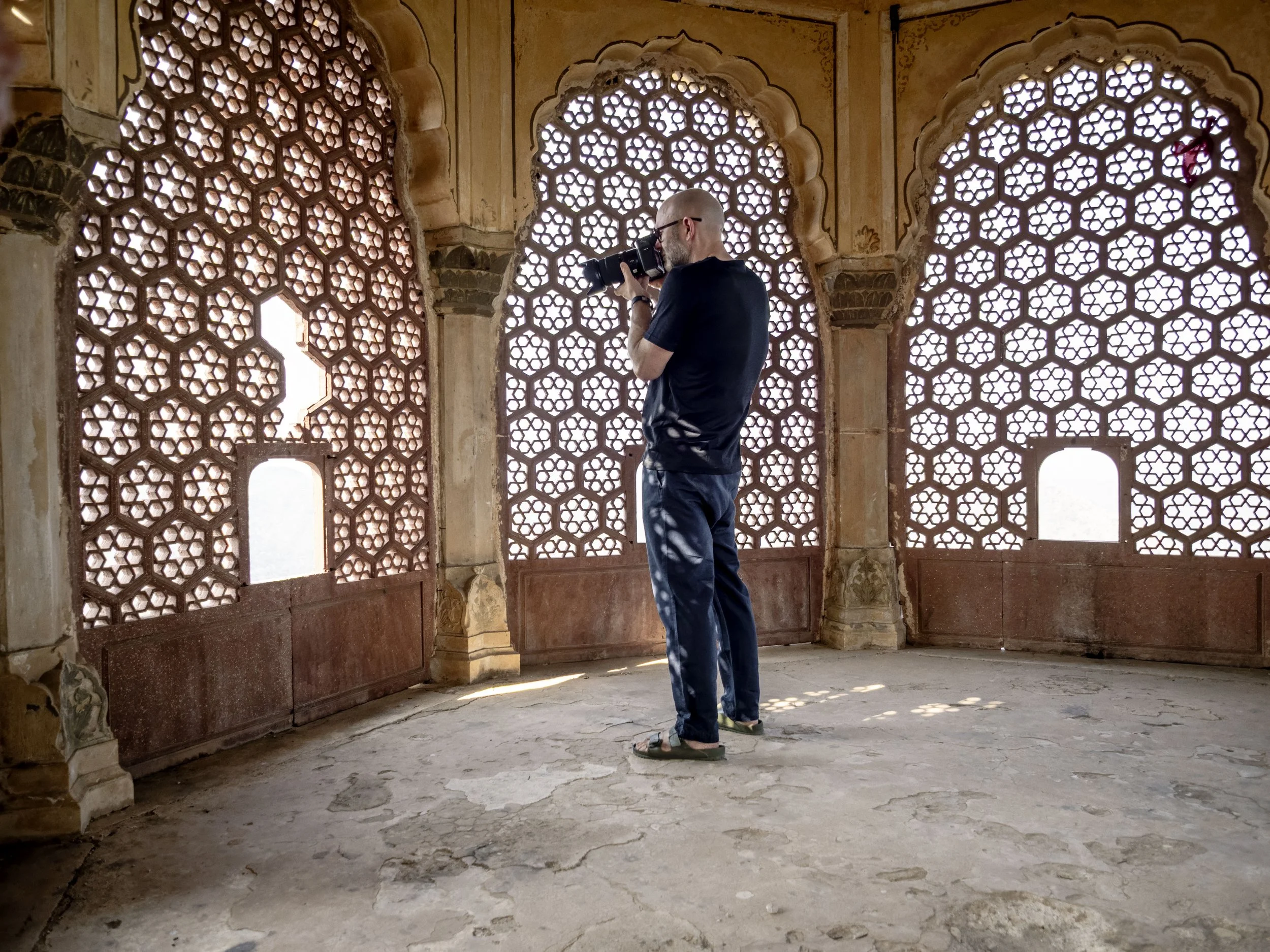
You are internationally known for fashion photography, but these images feel much closer to portraiture. How do you tell a story through fashion without letting the clothes become more important than the person?
“If someone is wearing clothes, in a way it can always be a fashion photograph. But here I didn’t want to focus so much on fashion. I wanted to focus on the person.”
It is a subtle distinction, but an important one.
The person comes before the image constructed around her.
And when we ask what he wants viewers to take from the finished Calendar, Sundsbø does not talk about understanding India.
He talks about feeling it.
When someone opens the 2027 Pirelli Calendar, what do you hope they feel when looking at your photographs?
“I hope they feel happiness, beauty, a sense of wonder. And I hope they can see the different layers of the country and how incredible the people we met are.”
A sense of wonder.
Not a conclusion.
Avani Rai: when the past enters the photograph
For Avani Rai, the project begins somewhere completely different.
It begins with loss.
Her father, Raghu Rai, spent more than six decades photographing India. His images became part of the visual memory of the country, documenting everything from ordinary life to moments of enormous historical importance.
He had already spent months developing his contribution to the Pirelli Calendar when he died in April 2026.
Avani then faced the deeply personal decision of whether and how to continue what he had started.
What was it like to take over the project after your father’s passing?
“It was emotional. It was spiritual.”
There is very little distance between the personal and the photographic in her work for this edition.
After losing her father, Avani even questioned her own relationship with the medium.
“When he was no longer there, I thought: why should I keep taking photographs?”
The project eventually helped provide an answer.
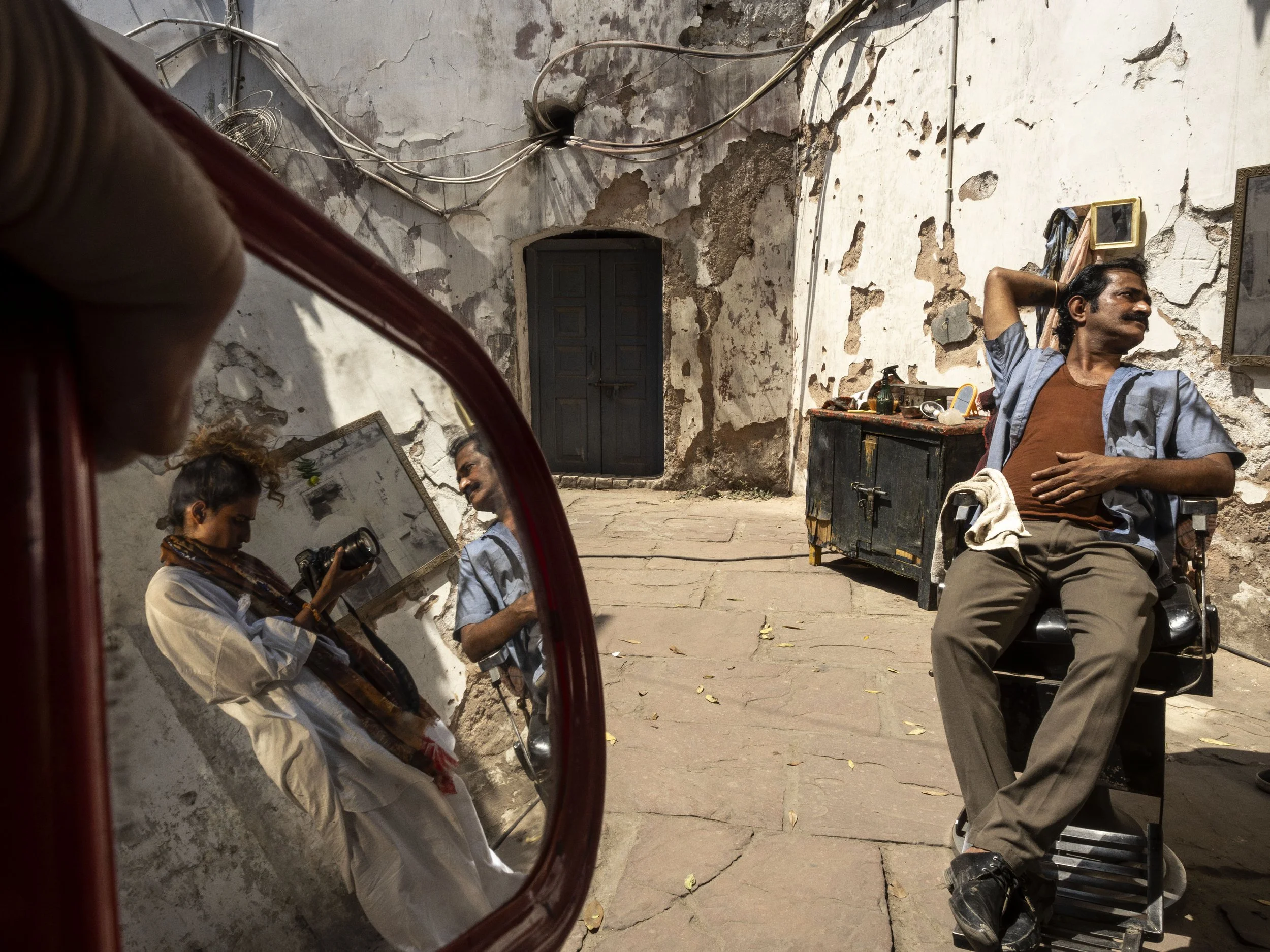
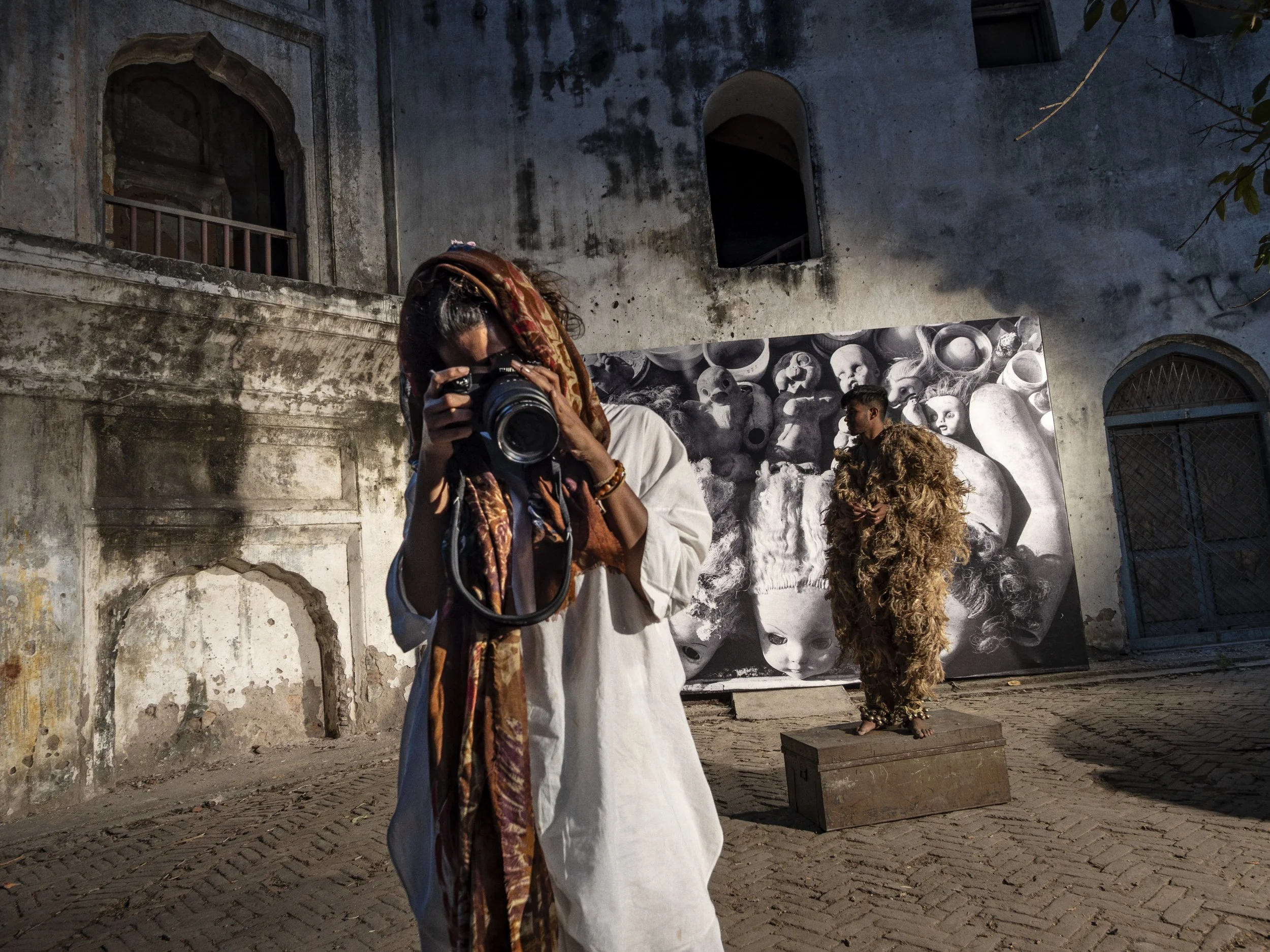
Rather than attempting to imitate Raghu Rai, Avani developed a way of allowing his photographs and her own perspective to exist together.
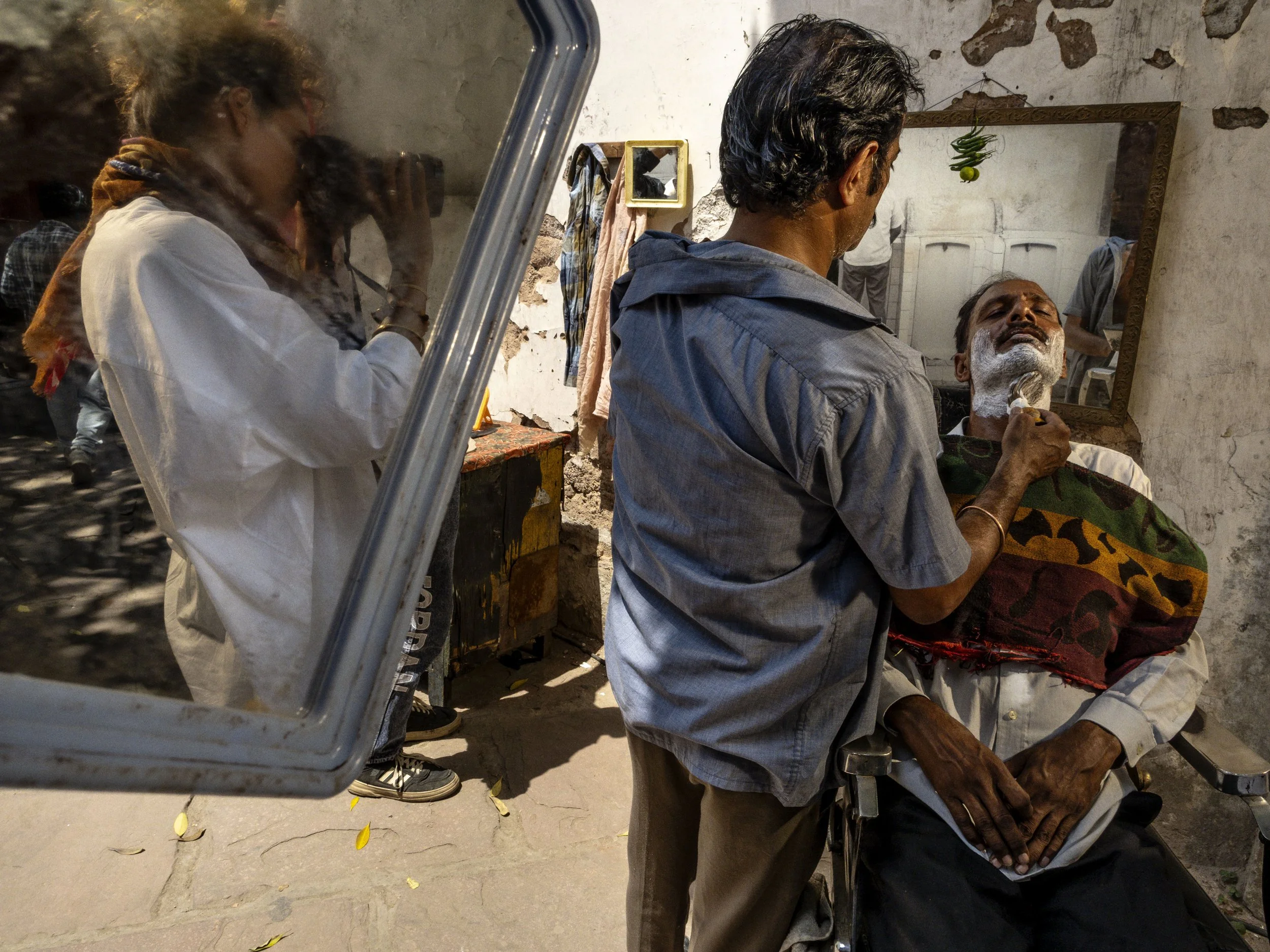
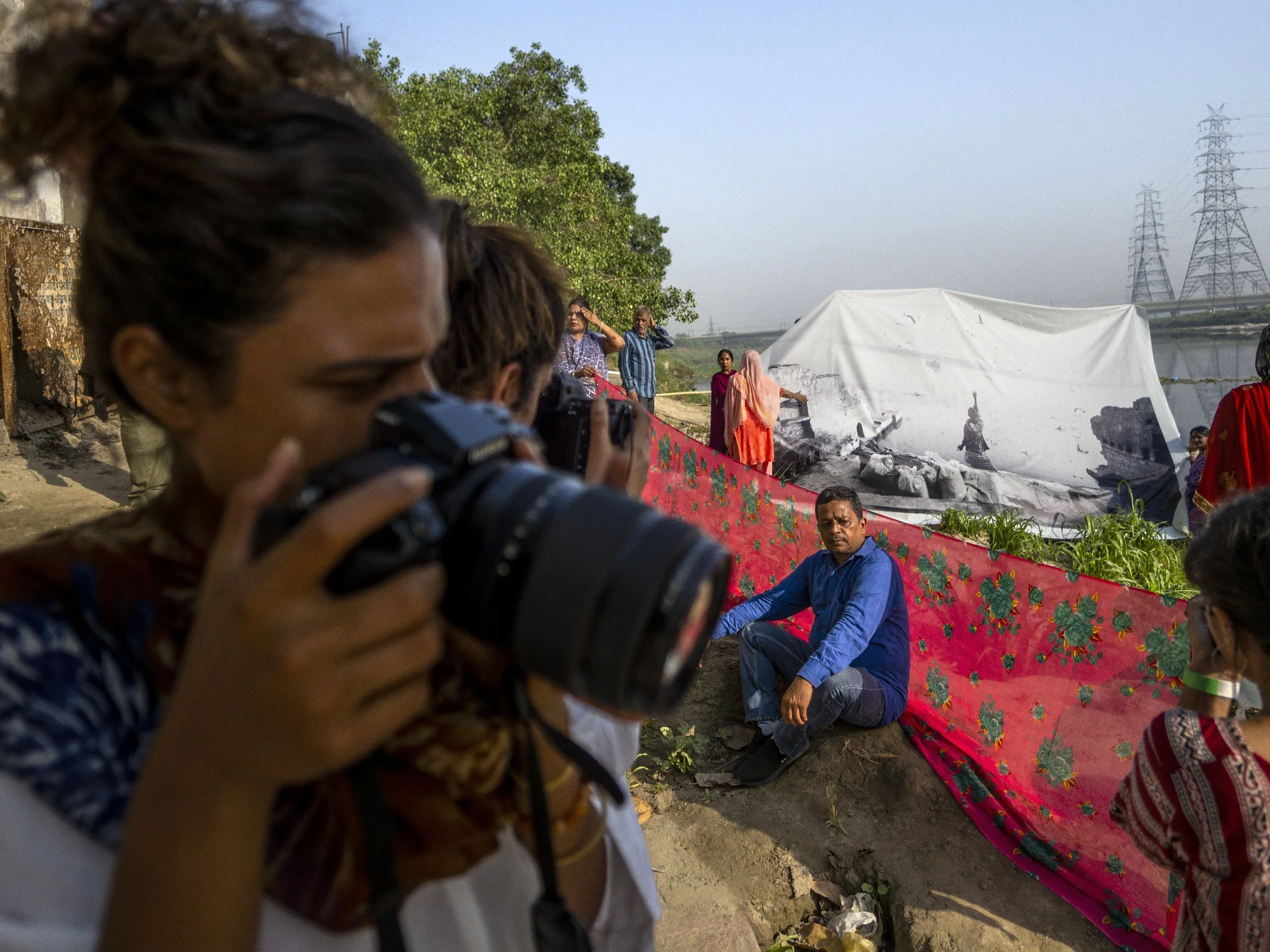
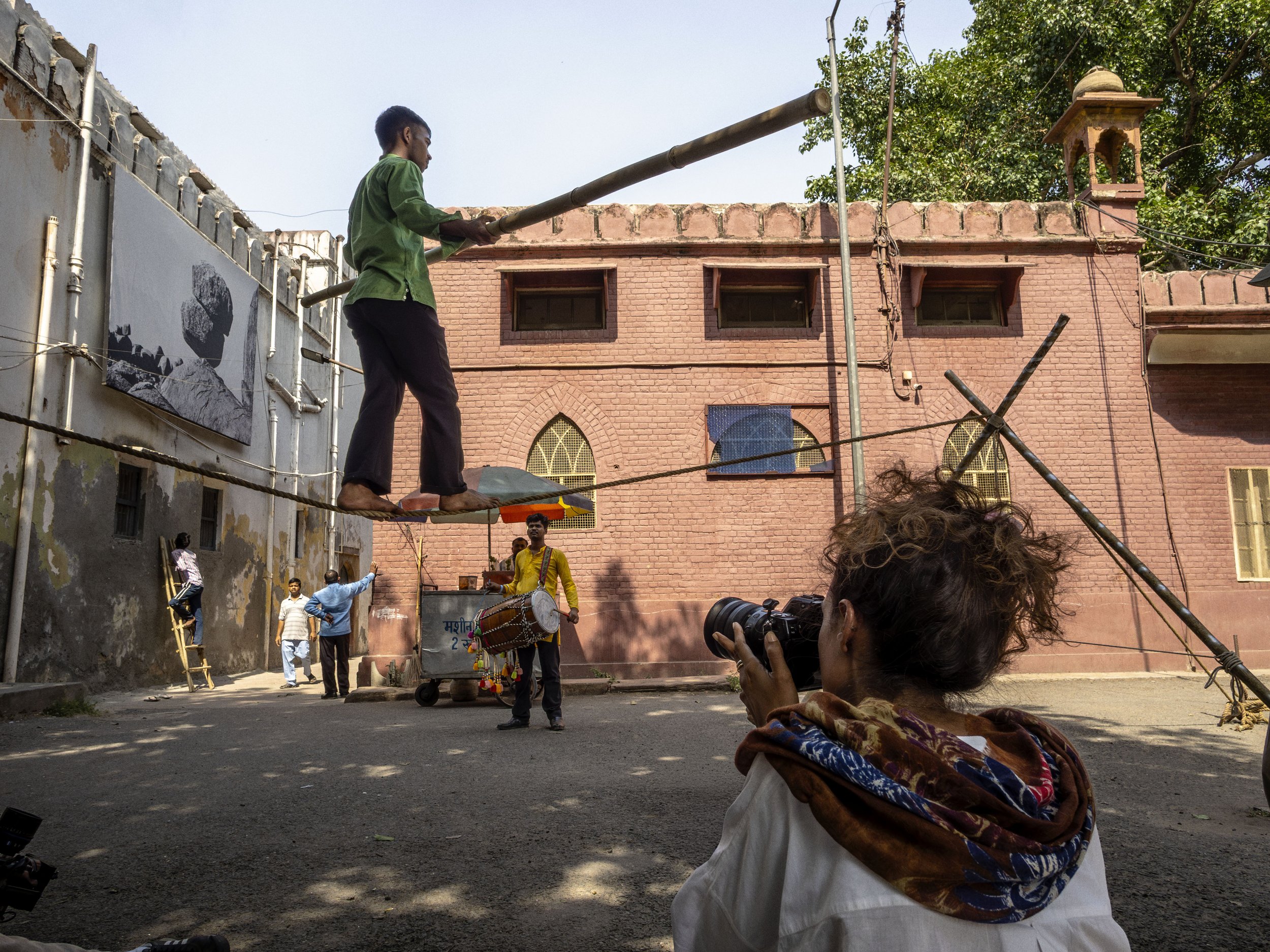
Images made by her father decades ago were taken back into the streets of Delhi and placed inside contemporary scenes.
An old photograph sits physically within a new photograph.
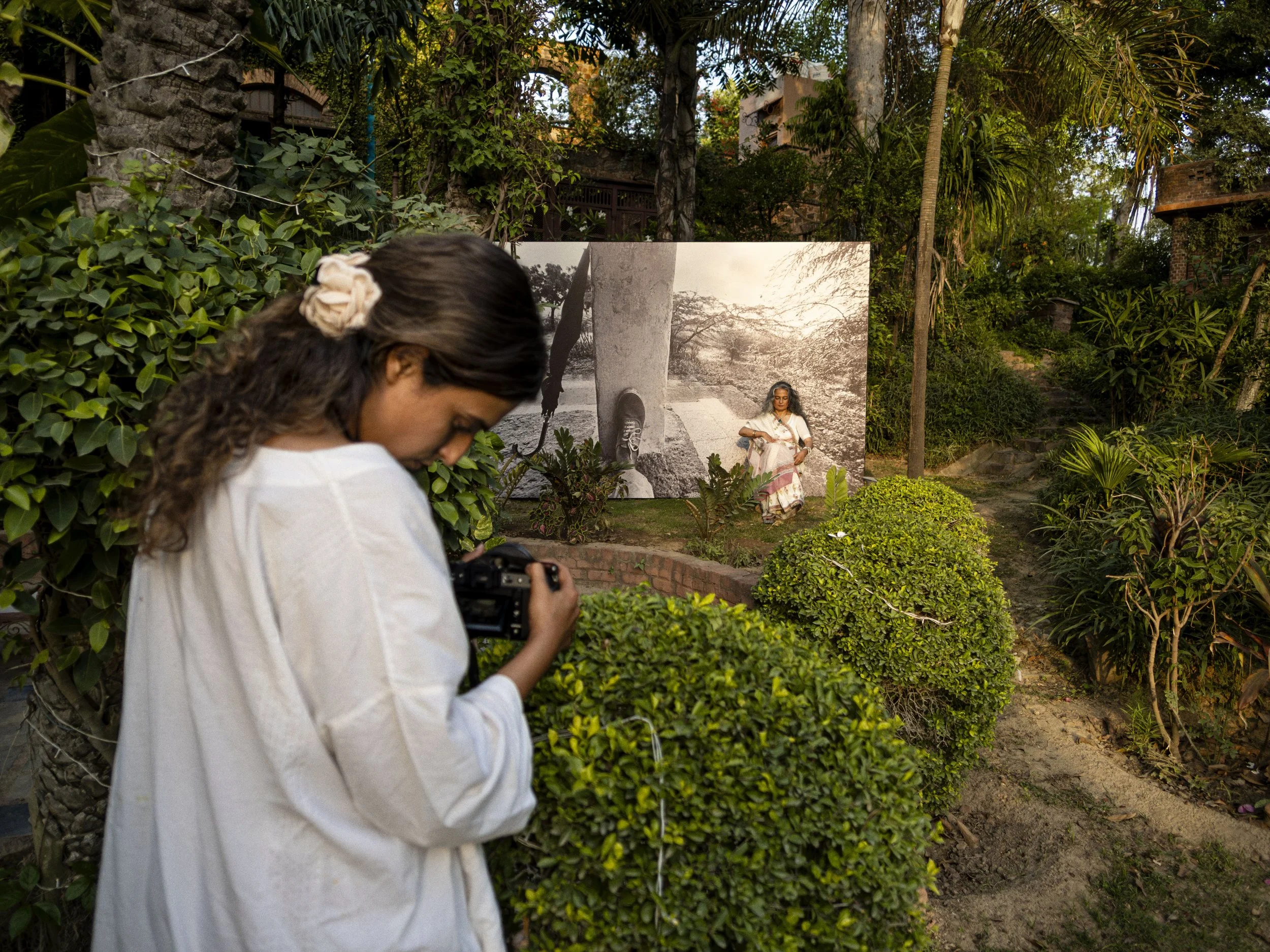
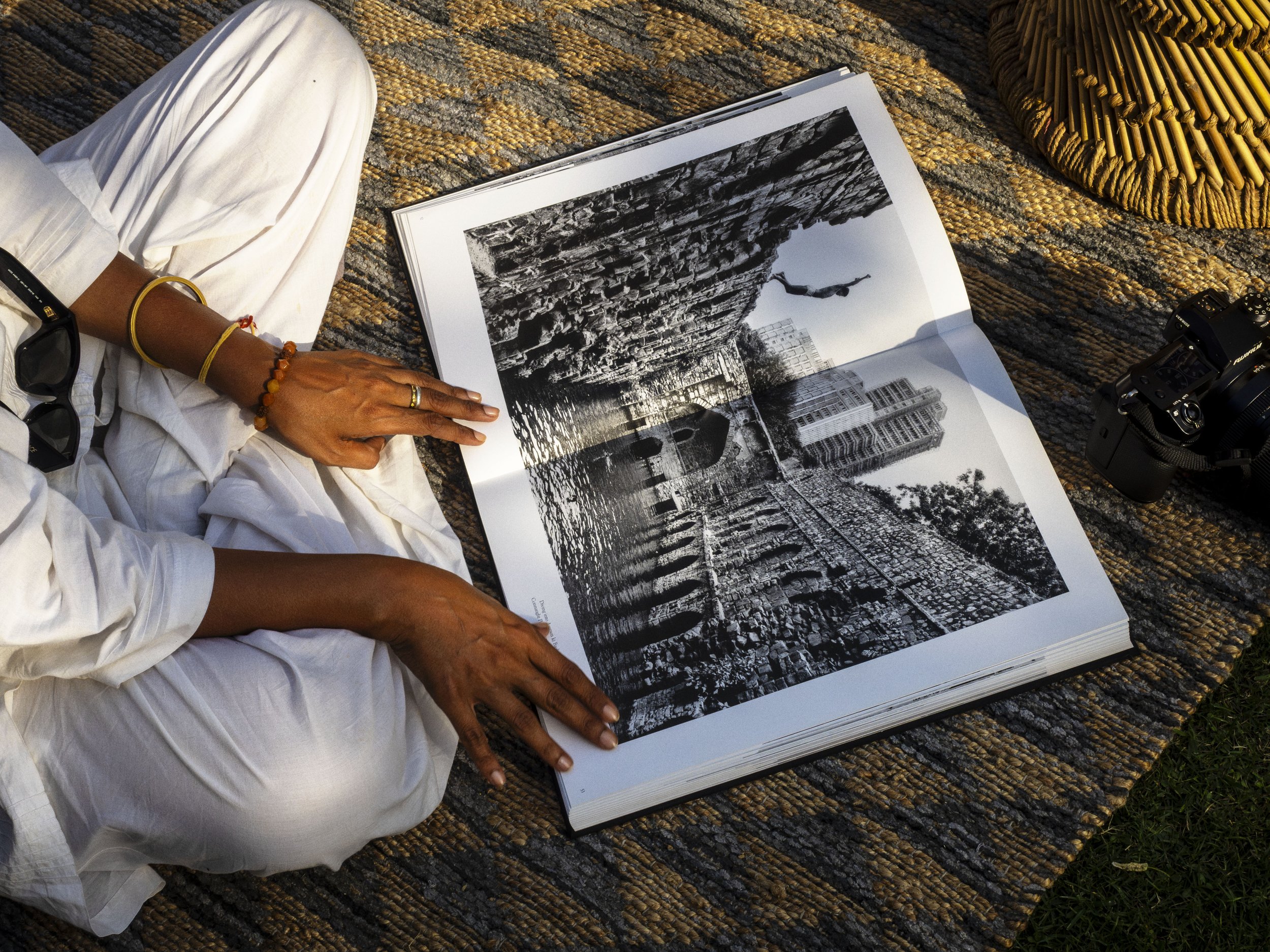
Around it, life continues.
People move through the frame. Buildings have changed. Generations have passed. The city is recognisable and different at the same time.
The effect is simple but powerful: the past is no longer somewhere behind us. It is standing inside the present.
For Avani, continuing her father’s work therefore became less about completing an unfinished assignment and more about maintaining a conversation.
His photograph remains inside hers. His way of seeing remains visible. But so does hers.
That distinction is essential because inheritance, here, is not imitation. It is evolution.
When we ask what she hopes remains with people after they see the finished Calendar, her answer brings the entire project together.
And what do you hope remains emotionally after people finish viewing the Calendar?
“Emotions. Interactions. Relationships. The past, the present, and the future together.”
It may be the clearest description of her work.
The photographs are ultimately about relationships: between people, between generations, between a daughter and her father, and between a country and the images through which it remembers itself.
Anoushka Shankar: heritage without limitation
That same tension between inheritance and reinvention appears in front of Sundsbø’s camera.
Anoushka Shankar is one of the most compelling figures in the 2027 edition.
The daughter of Ravi Shankar, she inherited one of the most significant musical legacies of the twentieth century, yet her own career has consistently resisted being confined by it.
A sitarist and composer, Shankar has taken Indian classical tradition into conversation with contemporary and experimental music, building an identity that acknowledges heritage without allowing heritage to become a boundary.
Her presence feels particularly meaningful alongside Avani Rai.
Both women carry the legacy of fathers whose work profoundly shaped international perceptions of Indian culture.
Neither is simply preserving what came before. Both are deciding what happens next.
And perhaps that is one of the most contemporary ideas running through this edition of The Cal.
India does not need to choose between its history and its future. Both are already present.
Beyond a single gaze
There is an obvious temptation when photographing India.
Colour. Spirituality. Crowds. Architecture. Tradition. Contrast. All are real. None is enough.
The strength of the 2027 Pirelli Calendar lies in understanding the difference.
Sundsbø looks at India and acknowledges what he cannot know.
Avani Rai looks through decades of her father’s photographs and discovers that even a lifetime of looking cannot produce a final image of the country.
One arrives from outside.
The other begins from memory.
One moves towards individual faces. The other allows past and present to occupy the same frame.
Neither perspective cancels the other.
Together, they make the central idea of the Calendar clear.
There is no definitive photograph of India because there is no definitive India.
More than sixty years after Robert Freeman photographed the first Pirelli Calendar on the beaches of Majorca, The Cal remains interesting precisely because it continues to change the question.
It is no longer simply: Who is beautiful enough to be photographed?
It is also: Who is looking? From where? And what are we still failing to see?
For 2027, India does not become an exotic stage on which those questions are performed.
It becomes the reason they need to be asked.
There is no single India. And this time, the Pirelli Calendar does not pretend there is.
Photos courtesy Calendar Pirelli