Shakira in Copacabana, a growing spectacle of affection, identity and cultural impact
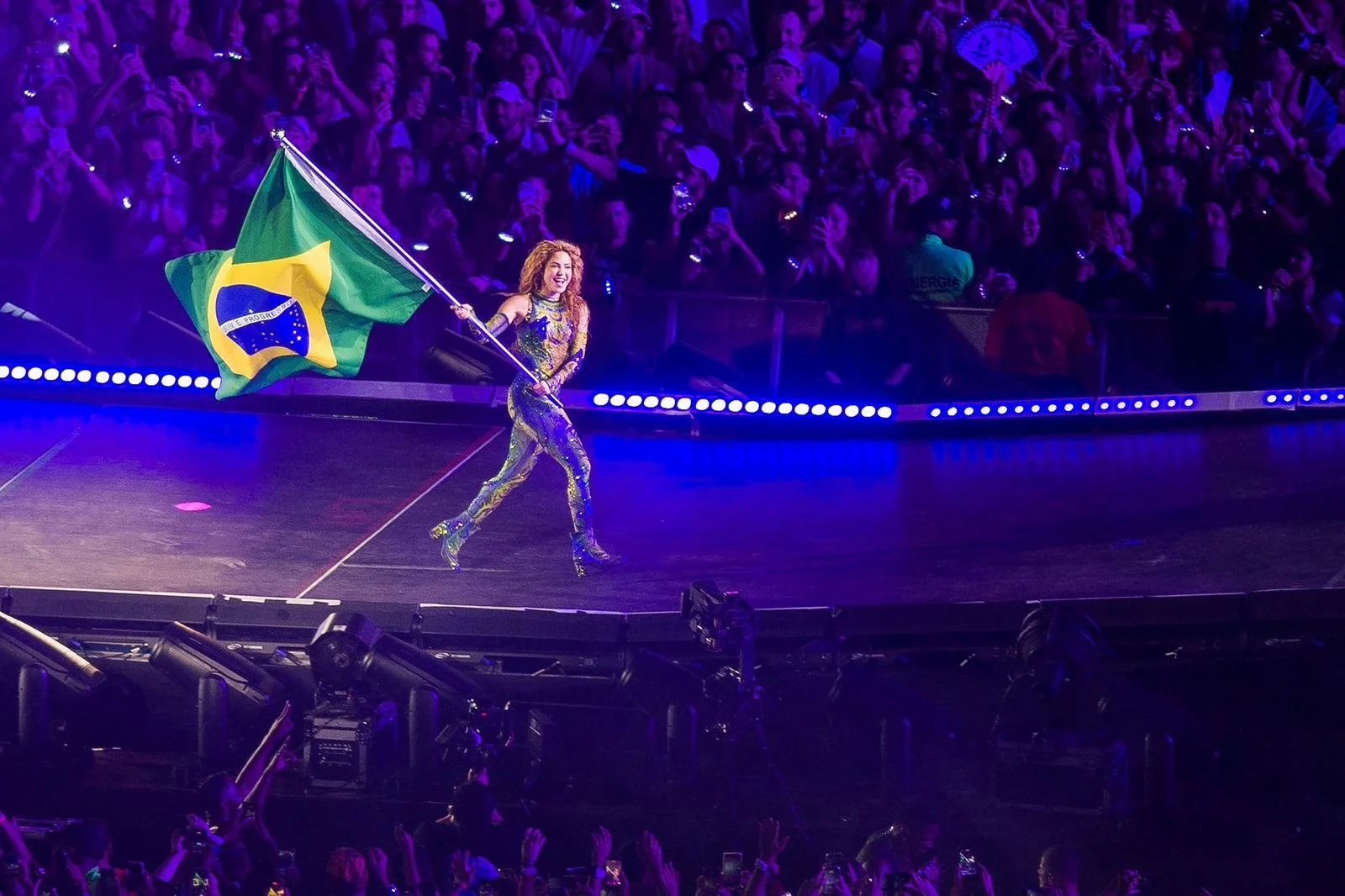
What took place in Copacabana this past Saturday was far more than a concert. It was a growing movement of connection between a global artist and a country that has embraced her with rare intensity. Over the years, Shakira has built a genuine relationship with Brazilian audiences, and this time, that bond reached a new level.
What we witnessed was a spectacle that grows not only in scale, but in meaning. A crowd that was present, vibrant, emotionally engaged, not merely watching, but participating, singing, responding. Brazil recognises when it is respected, and responds with extraordinary energy.
Brazilian identity as both visual and emotional language
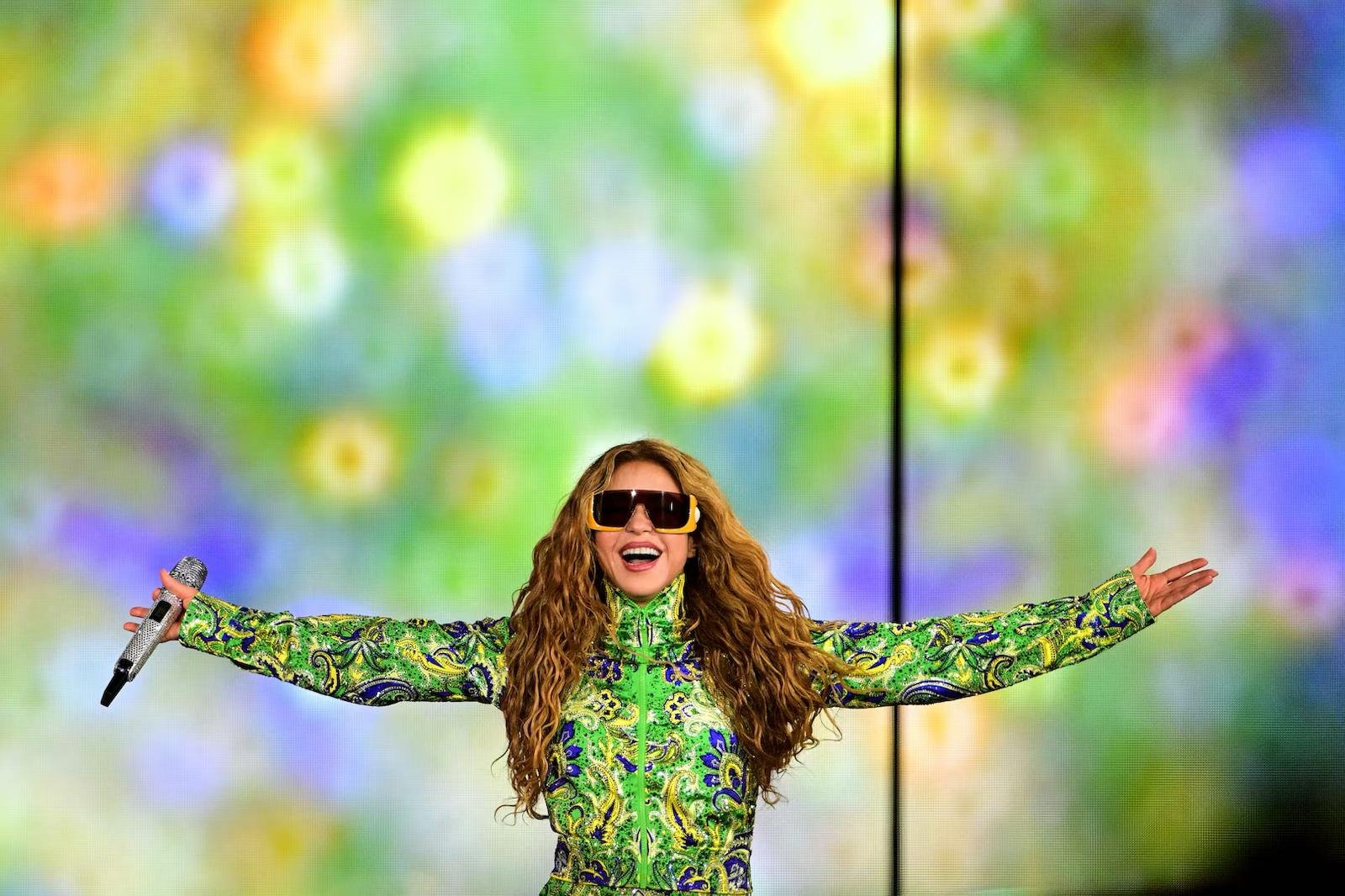
The show was a multi layered celebration of Brazilian identity. Visually, this translated into a refined interpretation of the national flag, with green, yellow and blue appearing in sophisticated, performance driven looks.
The wardrobe, created by Dario Mittmann, reflects an important moment in fashion, where local creative voices take centre stage on global platforms. The collaboration with ETRO and the brilliance of Swarovski added technical sophistication, while the inclusion of Brazilian labels such as Hisha positioned Brazil not only as a consumer of fashion, but as a creative force.
Brazilian music at the centre, a gesture of cultural depth
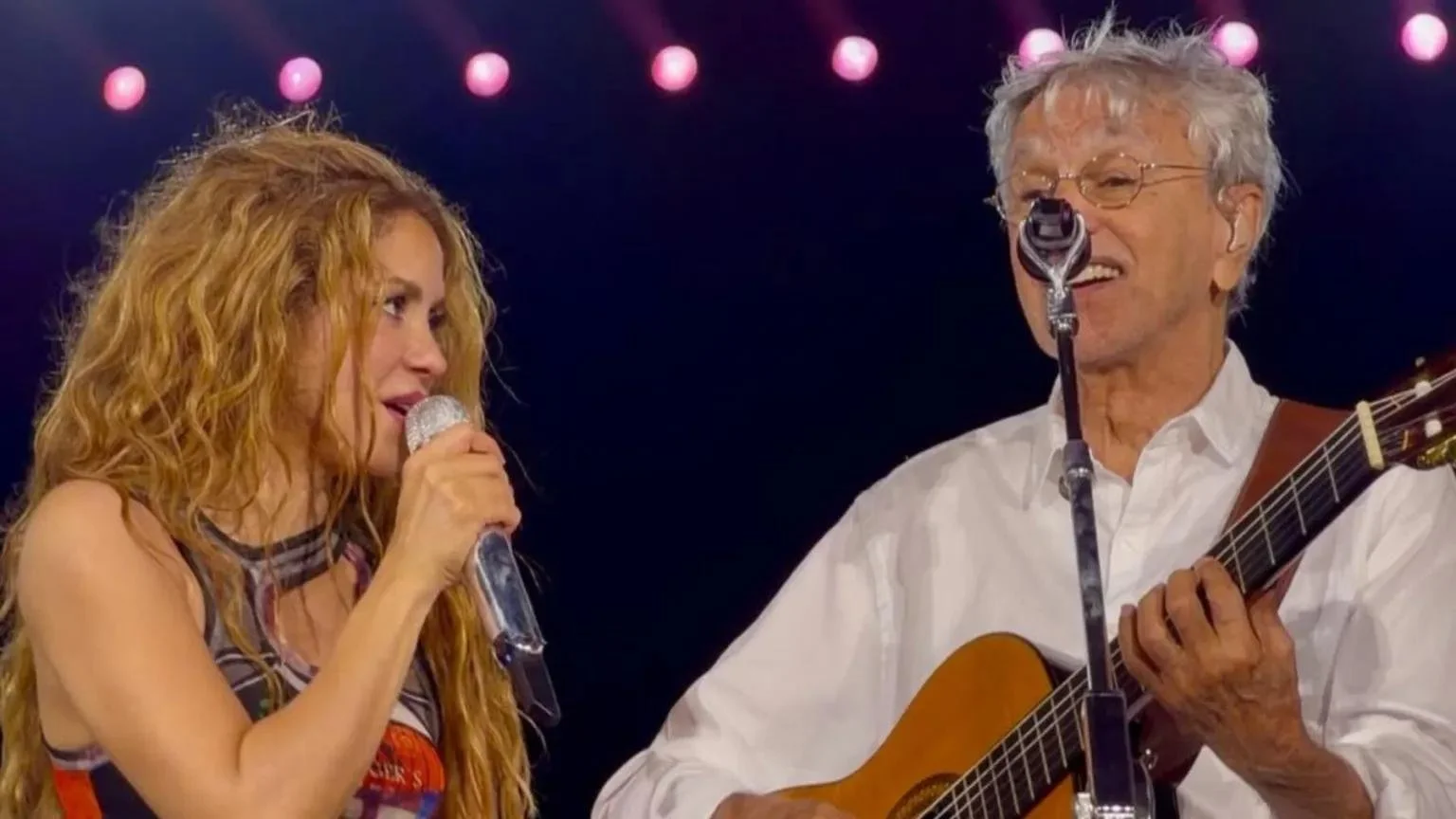
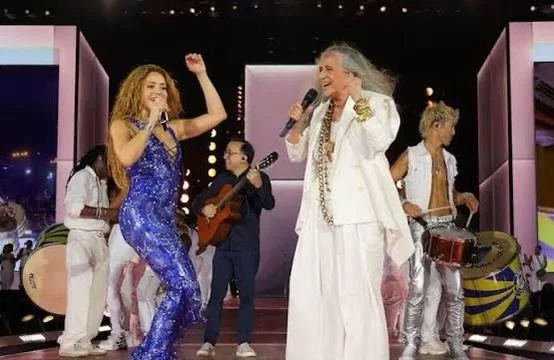

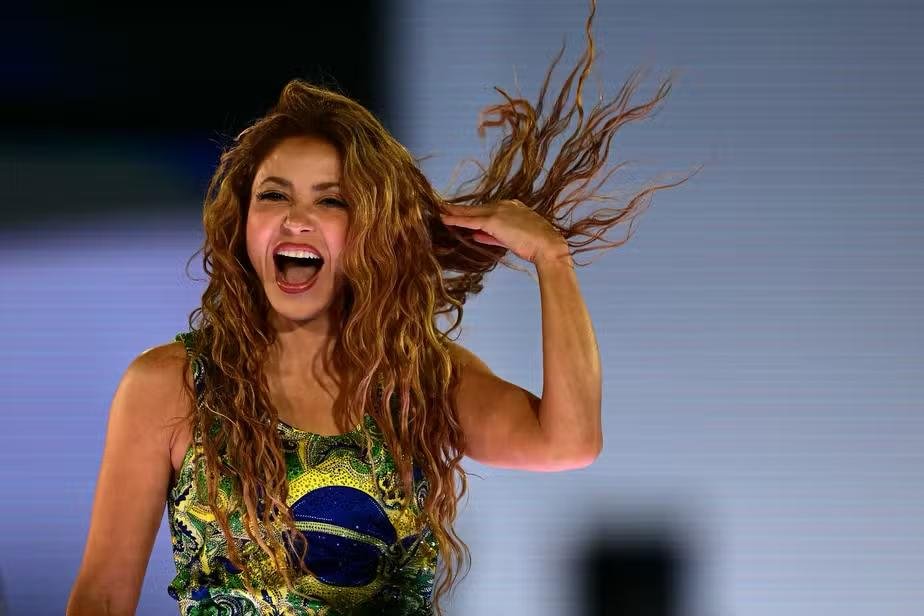
Among the most powerful moments of the evening was the musical tribute that connected directly with the essence of Brazil.
By referencing icons such as Caetano Veloso and Maria Bethânia, Shakira went far beyond a simple homage. She acknowledged the intellectual and artistic depth of Brazilian culture.
These are not obvious choices for a global pop performance. They represent poetry, history, identity and resistance. By placing them at the heart of the show, Shakira created a meaningful cultural dialogue that resonated far beyond entertainment.
Copacabana Palace, a symbol of prestige and cultural legacy
An essential dimension of this moment was the presence of the Copacabana Palace as Shakira’s residence during her stay in Rio.
Far more than a hotel, the Copacabana Palace stands as one of Latin America’s most iconic symbols of luxury hospitality. For decades, it has welcomed heads of state, global celebrities and some of the most influential names in music and culture.
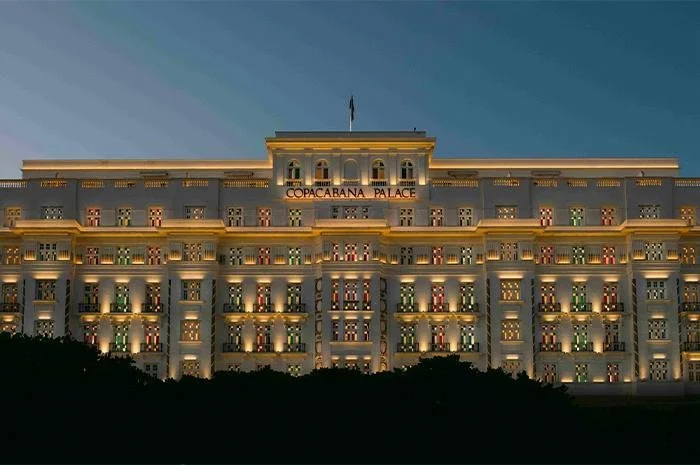
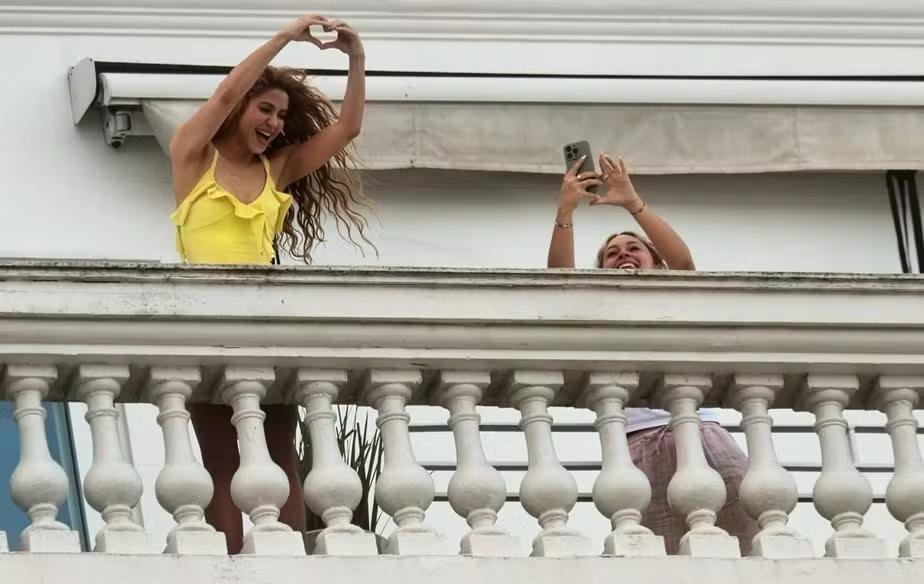
Shakira’s choice to stay at the Copacabana Palace reinforces its enduring status. Being there is not simply about comfort, it is about heritage, prestige and cultural positioning.
The hotel operates as a true hub of cultural encounters, where artists from across generations connect with Brazil and leave their mark. Shakira’s presence continues that legacy, further elevating the Palace’s international resonance.
Fashion as a strategic narrative
This show also stood out as a fashion platform in evolution. A growing project where each look contributes to a broader narrative.
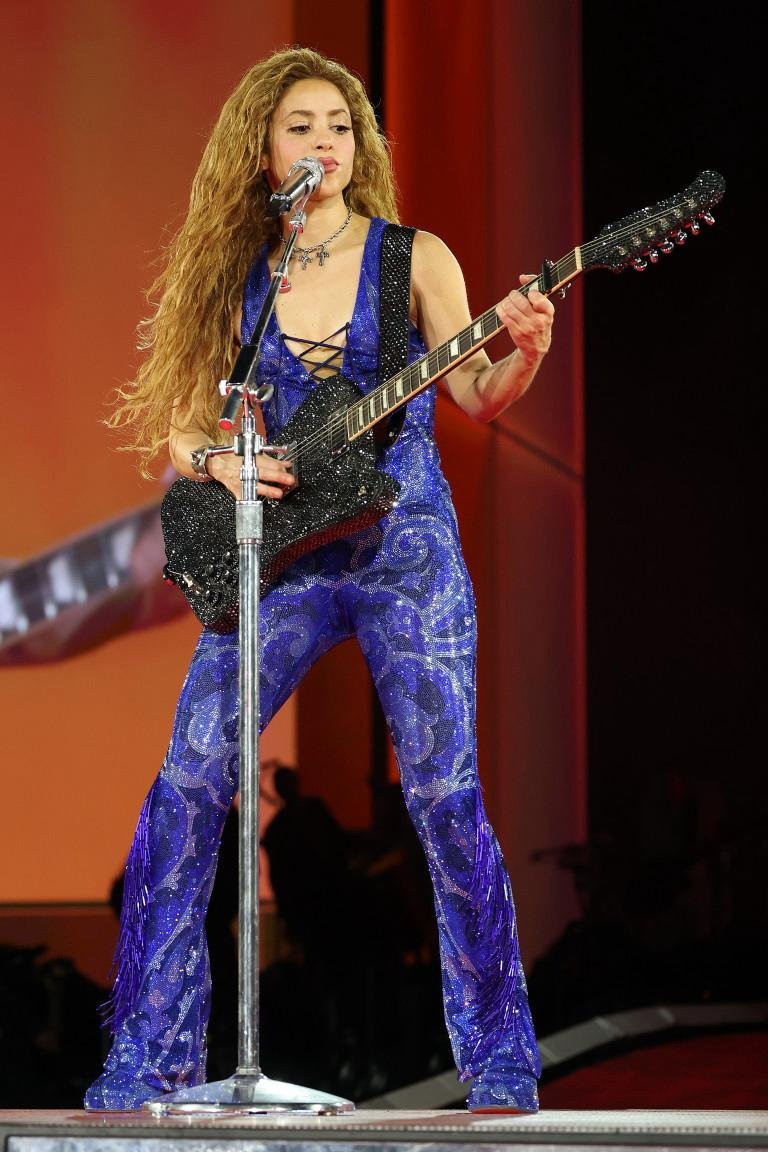
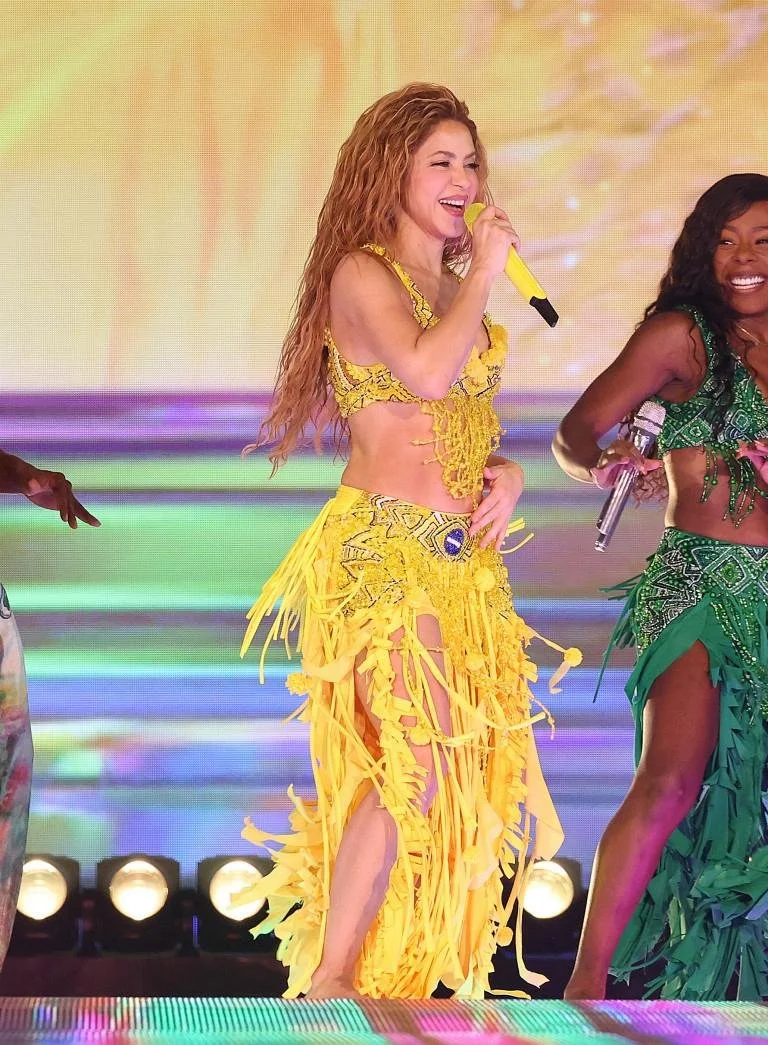
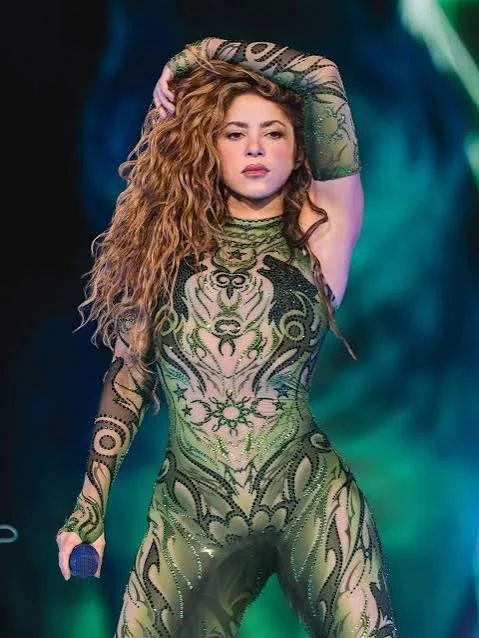
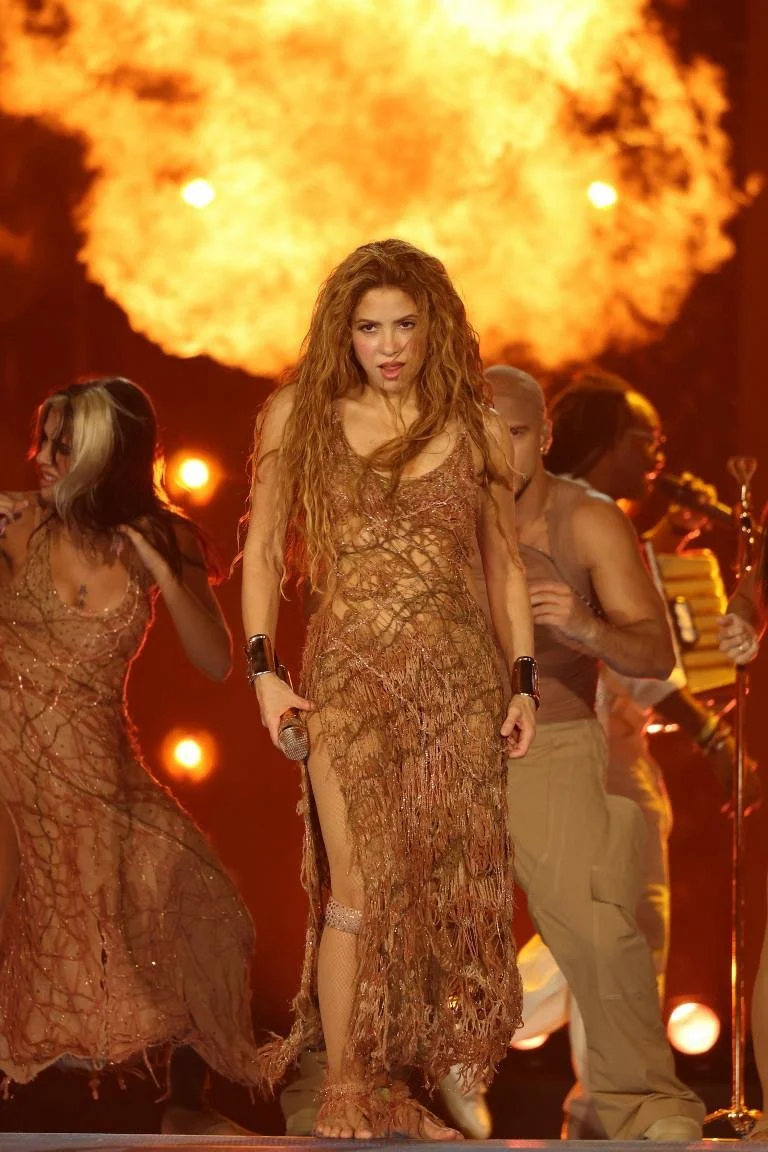
By embracing an authorial styling approach instead of relying on a single fashion house, the production reflects a more contemporary direction. The dialogue between Brazilian creativity and international luxury brands results in a richer, more relevant visual language.
Economic impact and global projection
Events of this magnitude generate a direct and growing impact on the local economy.

Hotel occupancy rises, restaurants operate at full capacity, tourism strengthens and the city gains global visibility. Copacabana becomes both a stage and a showcase.
Beyond numbers, this is about positioning. Brazil presents itself as a country capable of hosting major productions with scale, sophistication and cultural relevance.
What this spectacle truly represents
Shakira’s concert in Copacabana was a milestone.
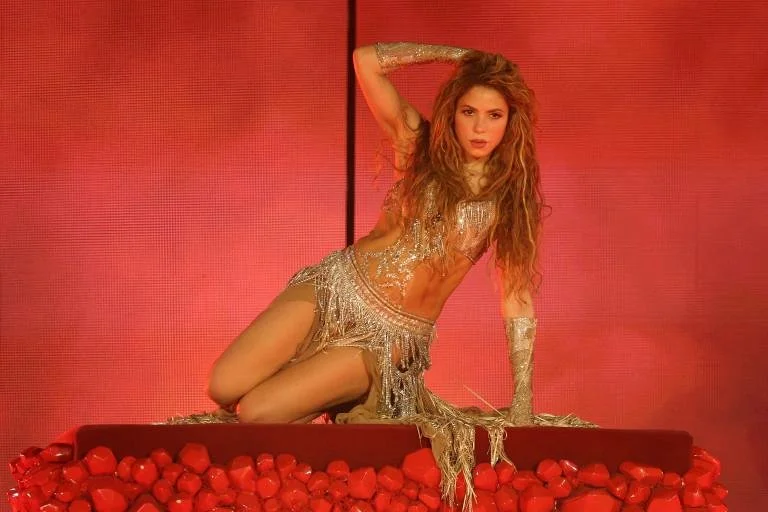
A meeting point between culture and strategy.
Between fashion and identity.
Between entertainment and global positioning.
It was growing in emotion, in scale and in meaning.
And above all, it confirmed something the Brazilian audience has long known:
Brazil is not simply part of the global circuit.
It is a protagonist.