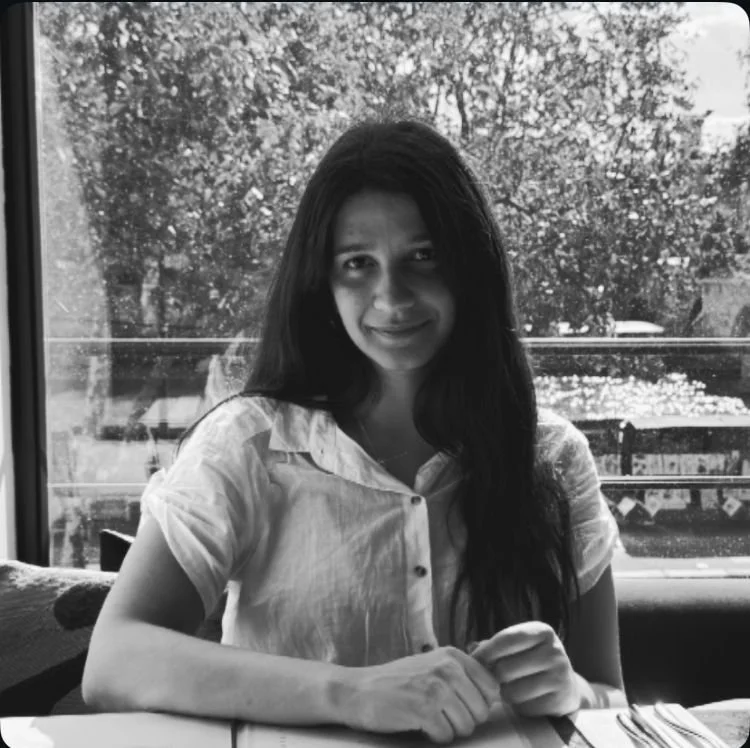
The Architecture of Memory: How Sasha Meneghel Crafted a Modern Sartorial Legacy for Mondepars

Reproduction / @mondepars via Instagram
I have long held a rather particular theory about women’s wardrobes: at their core, they are sentimental museums disguised as daily convenience. We hold onto that slightly oversized blazer not because its cut is impeccable (though it often is), but because the last time we wore it, life felt precisely where it was supposed to be. Fashion, when stripped of soul, is merely a collection of expensive fabrics shielding us from the weather and social conventions. But the moment it brushes against memory, it transforms into a kind of affective architecture. And that is exactly what we witnessed at Mondepars’ Winter runway.
The collection, titled "Alda" a deeply beautiful and precise homage from Sasha Meneghel to her grandmother, brought something to the runway that today’s luxury market desperately tries to buy but rarely secures: truth. In an era where brands seem held hostage by a deafening media noise, where logos scream louder than design and trends expire faster than a twenty-four-hour Instagram story, watching a collection unfold from an intimate, familial exploration is a balm. It is the absolute antithesis of spectacle for spectacle's sake.
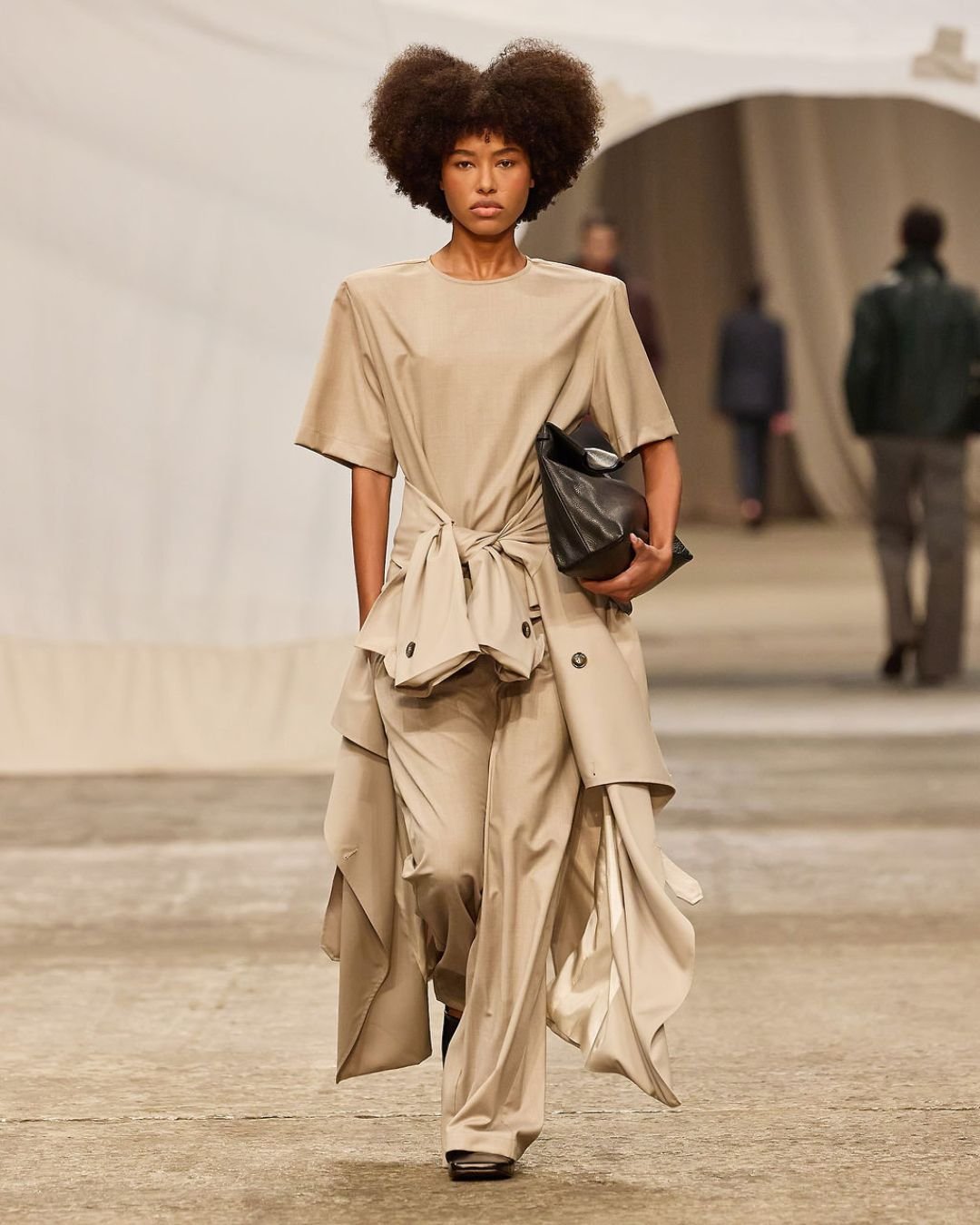
Photos: Zé Takahashi
Dona Alda, who ran a sewing atelier that populated the designer's childhood, was not translated here through obvious tropes. There were no period caricatures, instead, there was a profound reverence for the inheritance received. The runway delivered a sharp, mature, almost surgical tailoring, its clean lines seemingly sketching a shield against the vulnerabilities of the outside world. It is a fascinating creative choice. When we choose to structure the shoulders of a heavy wool blazer or map the exact curvature of a waistline, we are, consciously or not, shaping our own posture before the world. Sasha designed an emotional uniform.
The color palette felt as though it had been harvested from an autumn afternoon that refuses to fade. There was a deep, dense espresso brown that is fast becoming Mondepars’ aristocratic chromatic signature. Brown is a demanding color. It requires silence to be fully appreciated; it lacks the dramatic obviousness of black, just as it eschews the casual lightness of beige. It is the color of the earth, of antique rosewood furniture, of coffee cooling while a conversation stretches into the evening. Alongside it, tones of camel, heather grey, and deliberate touches of cerulean brought a sobriety that beautifully defies the youth of the creative director herself. There is a very specific elegance in being young and choosing restraint.
What enchanted me most in the engineering of the garments was the interplay of textures. There was a subtle tension between the rigidity of the structured outerwear and the almost liquid fluidity of dresses that moved as if possessed by a will of their own. Accents whispering of woodwork, a subtle allusion to the canvas frames and handicraft her grandmother so loved; functioned as small, wearable sculptures. Contemporary luxury fashion so often forgets that touch is just as vital as sight. We inhabit clothes long before we are seen in them. If a fabric fails to engage in an intelligent dialogue with the skin, it has failed its most elemental purpose.
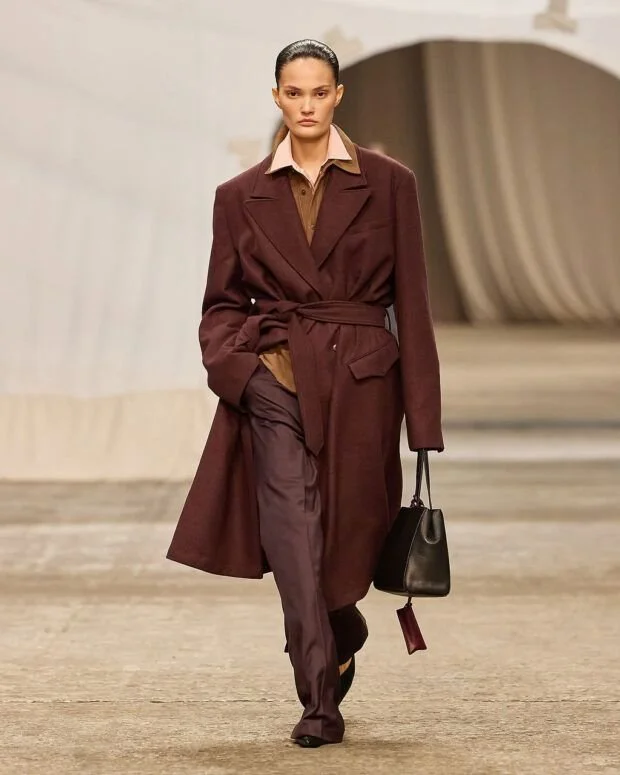
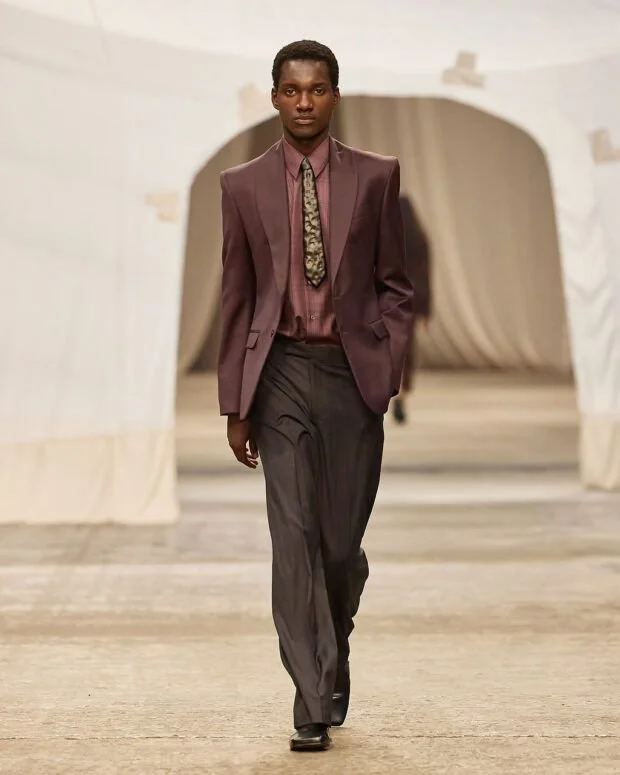
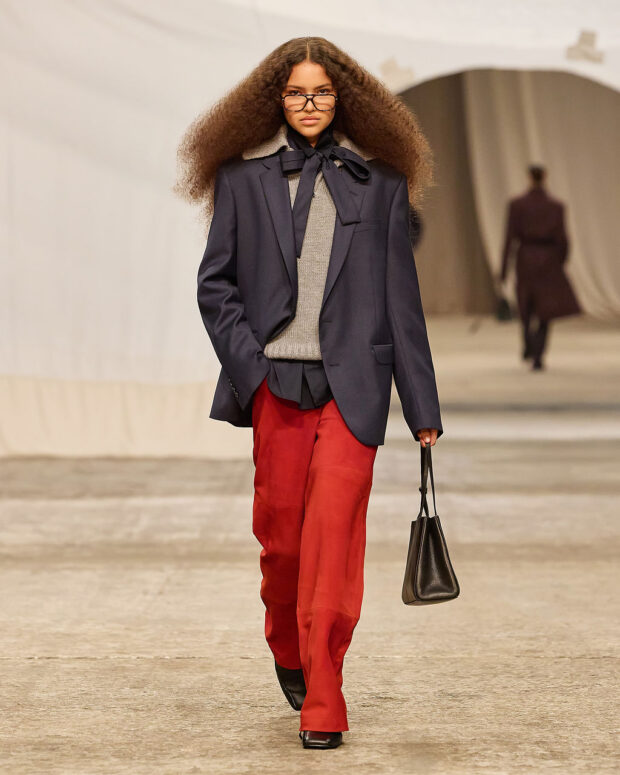
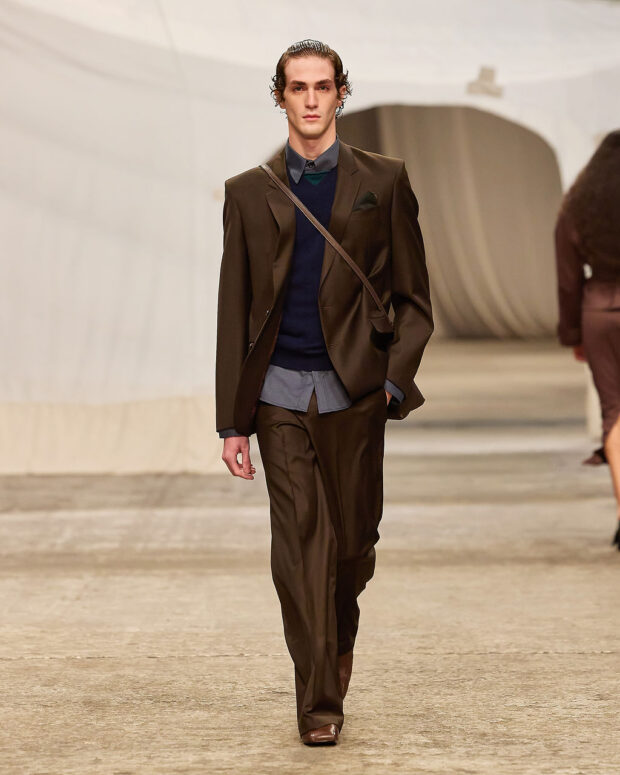
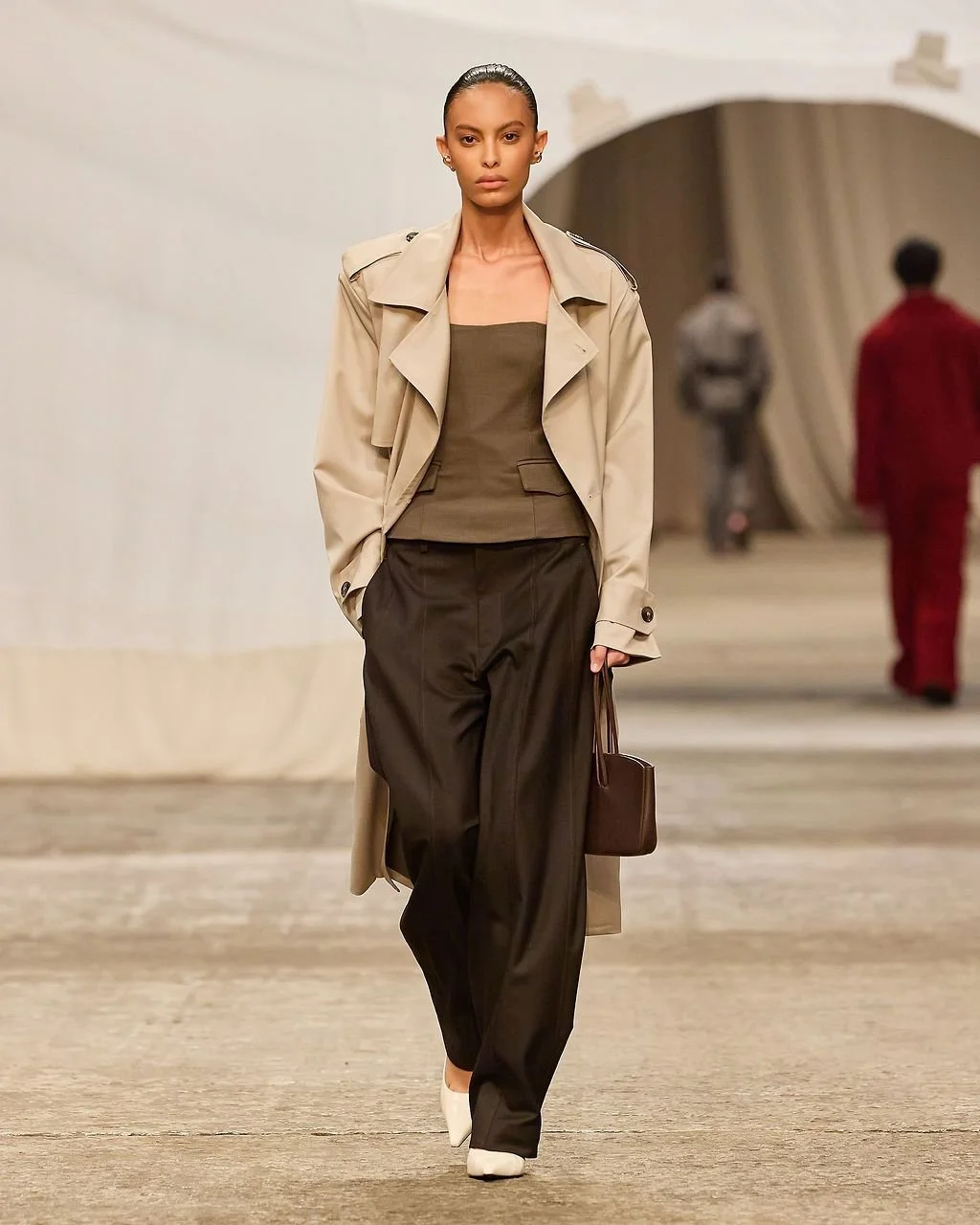
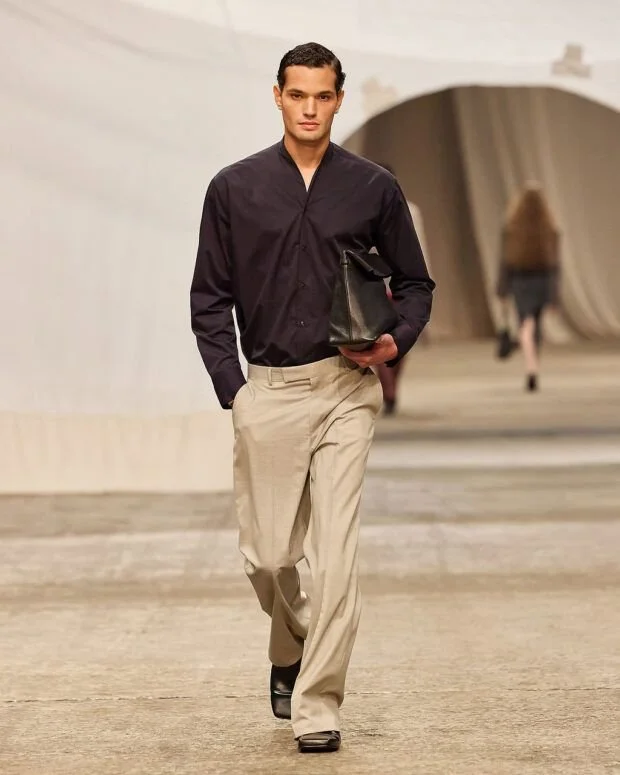
Photos: Zé Takahashi
Which brings us back to the beating heart of this creation. The show’s finale was a chapter unto itself, one of those rare moments where the collective breath of the room shifts in rhythm. The bridal gown, inspired by Dona Alda’s own veil, was far more than a piece of haute couture, it was a passing of the baton. Watching the reimagining of that lace, that weightlessness floating beneath contemporary lights, made me reflect on how we spend our entire lives trying to distance ourselves from our origins, only to eventually discover that our finest version is the one that honors what came before.
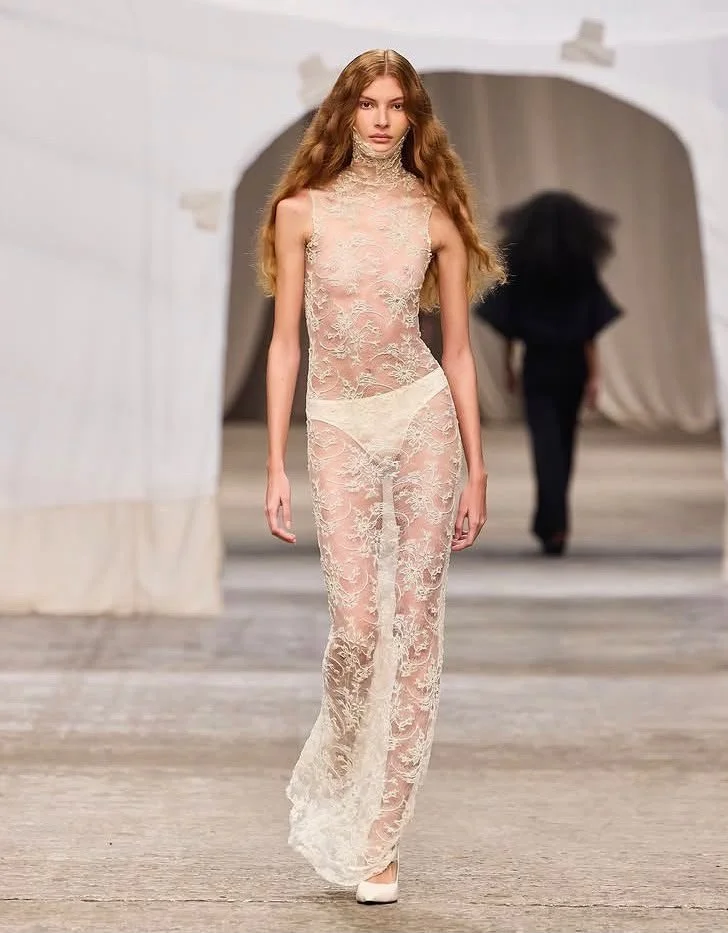
Photos: Zé Takahashi
Mondepars proves with this collection that authentic sophistication resides in the depth of one's history and in Sasha’s undeniable taste, as she architectures every detail with a touching delicacy. This intimate atmosphere had already announced itself in the exquisite visual campaign materials a poetic, analog collage where old childhood portraits of Dona Alda are overlaid with freshwater pearls, her name appears embroidered in red thread across black-and-white film, and nostalgic elements making an allusion to the atelier, like vintage shears and tape measures, are framed with reverence. Watching Xuxa sitting front row, visibly moved as she witnessed her own mother's legacy come alive through her daughter’s hands, was the ultimate validation that affection is, indeed, the strongest thread there is. To wear "Alda" is to carry a piece of that history. And frankly, in a world that consumes and discards everything at such a staggering velocity, few things are as genuinely charming as permanence