Sustainable Luxury: How The World’s 50 Best Hotels 2025 is redefining hospitality through purpose
As conversations around climate, sustainability, community, and conscious travel continue to reshape the future of hospitality, the 2025 edition of The World’s 50 Best Hotels offered more than a showcase of global excellence. It presented a new lens for luxury, one rooted in environmental stewardship, social responsibility and regenerative design. At the heart of this shift lies the Eco Hotel Award, an accolade independently audited by the Sustainable Restaurant Association (SRA) and designed to spotlight one pioneering hotel setting a new industry standard for sustainability.
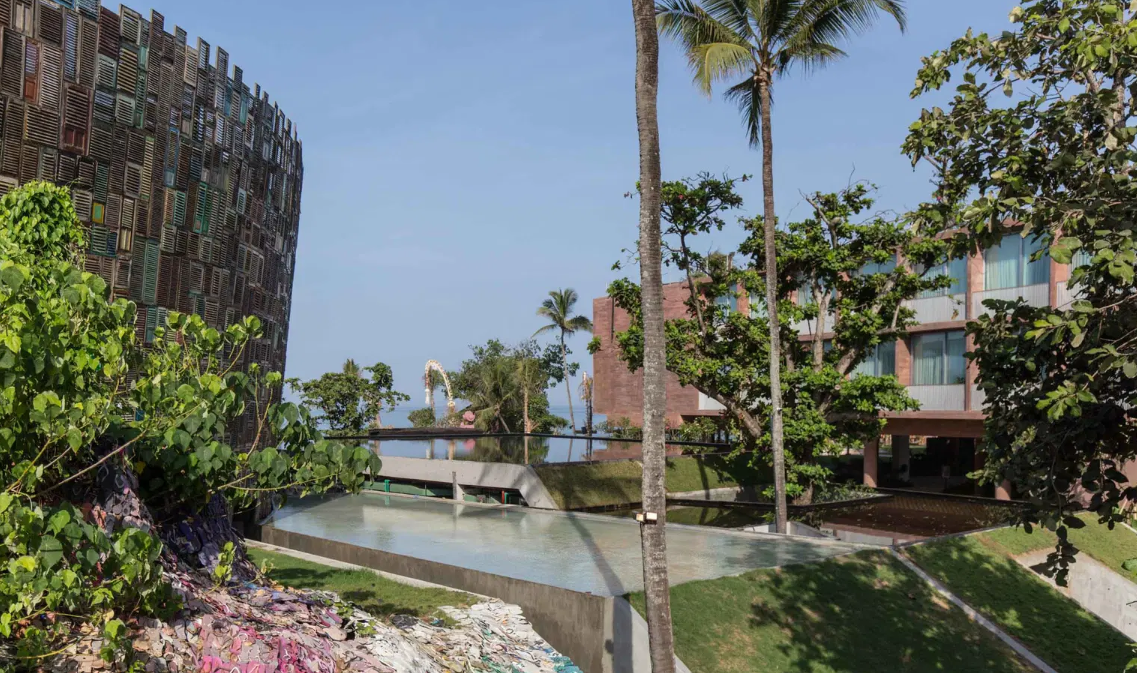
Source: Desa Potato Head
This year, the honour goes to Desa Potato Head in Bali, a property that has reimagined the very foundations of what a hotel can be. This is the second year in a row that the resort is included in The World’s 50 Best Hotels. To the resort, the recognition is for the “guests, friends and family who have helped shape the experience”.
Desa Potato Head: A Blueprint for the Future of Sustainable Hospitality
In a destination renowned for its high-end resorts, Desa Potato Head stands apart. Built from 1.8 million hand-pressed Balinese bricks and furnished using recycled and repurposed materials, the property operates as a living model of circular design. Here, sustainability is not a marketing gesture; it is a philosophy that shapes every corner of the guest experience.
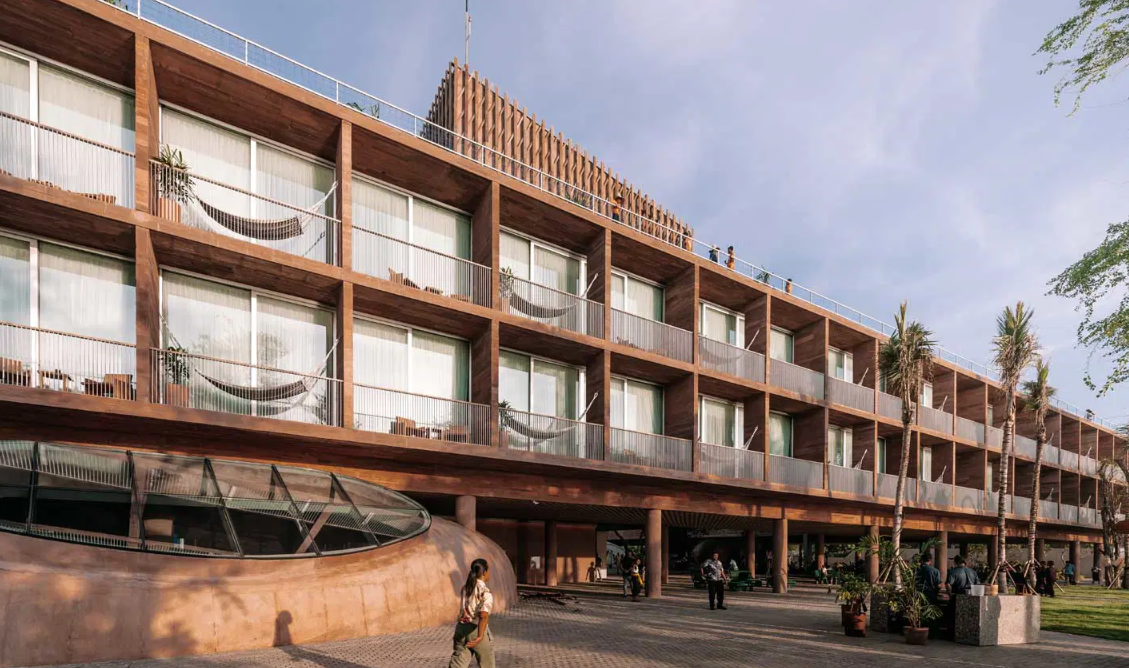
Source: Desa Potato Head
The resort was built on a philosophy of Good Times, Do Good. According to the resort, it is “a way of life that interweaves our culture with a mission of regeneration for the self, community, and the land that we inhabit. We believe that with the right intention, tourism can have a positive impact”. Single-use plastics have been eliminated. The hotel sources produce from 163 local farmers, with 46 per cent of the produce now certified organic. Remarkably, only 0.5 per cent of waste is sent to landfill, a figure highlighted in the SRA’s case study.
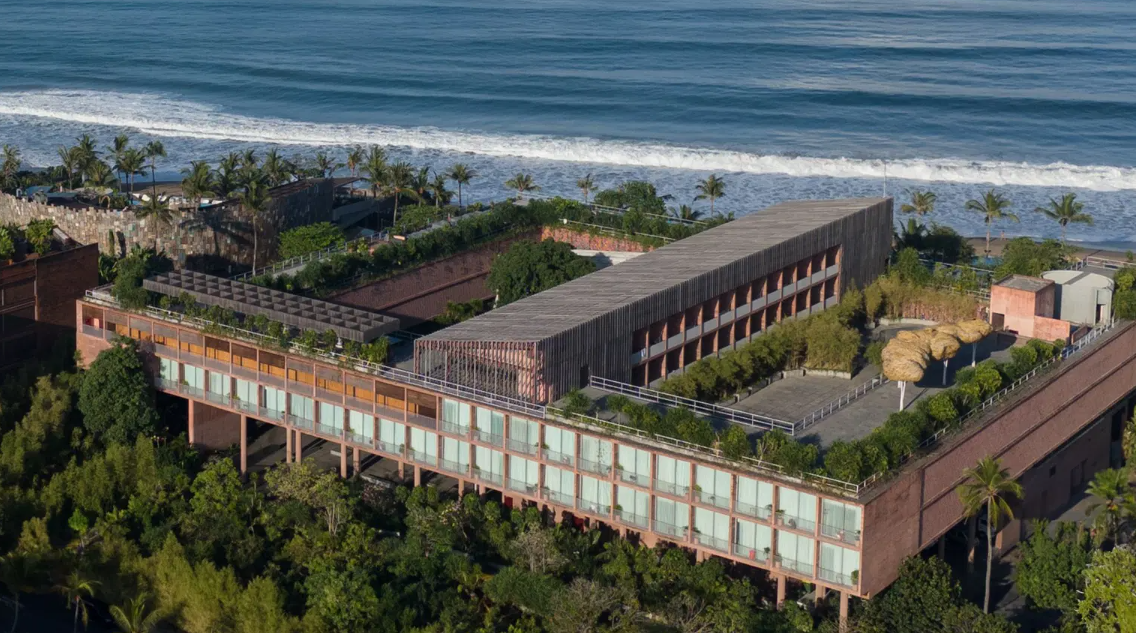
Source: Desa Potato Head
The SRA’s announcement goes further: “Desa Potato Head is a true leader in sustainable hospitality, demonstrating that responsible practices can go hand in hand with business success in South East Asia and beyond”. Even the hotel’s culinary programme is designed around zero-waste principles. Chefs transform overlooked ingredients into inventive dishes, bars work with ethical suppliers, and by-product reuse is standard, proving that sustainability and creativity can be deeply intertwined.
A Community, Not Just a Hotel
What truly distinguishes Desa Potato Head is its commitment to community empowerment. Guests are encouraged not only to observe but to participate. Daily programming includes:
“Follow the Waste” tours, tracing the journey of discarded materials as they are transformed into usable objects.
Zero-waste workshops and educational sessions on composting, recycling and sustainable craft.
Farm visits to meet growers and explore local food systems.
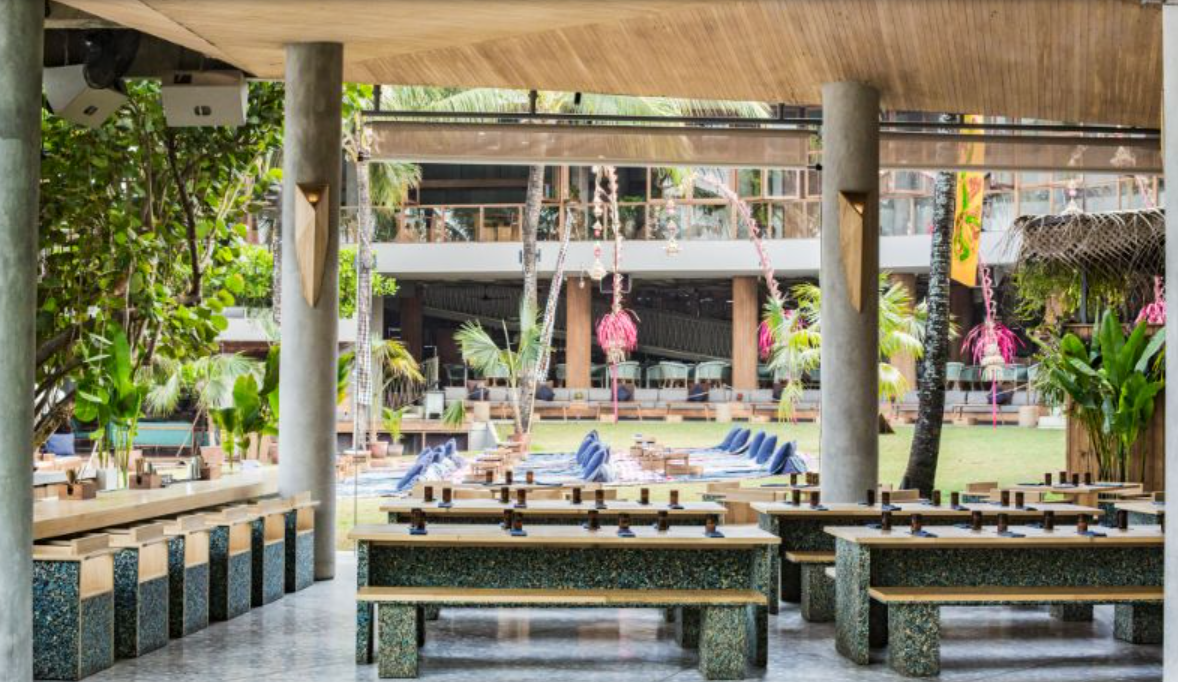
Source: 50Best
The result is a rare combination of education, celebration and cultural immersion. Desa Potato Head functions not merely as accommodation, but as a movement, a hub for creative thinkers, environmental advocates and travellers seeking a new kind of luxury, one that feels both joyful and meaningful.
Sustainability at the Core of the 50 Best Philosophy
The Eco Hotel Award is part of a wider shift within The World’s 50 Best as sustainability becomes a central narrative in how excellence is defined. Traditionally, hotel rankings focused on comfort, design, and service. But the definition of excellence in hospitality is evolving. Modern travellers, especially the new generation of luxury consumers, now value purpose-driven experiences. Those who respect the planet, celebrate culture, and contribute positively to local communities.
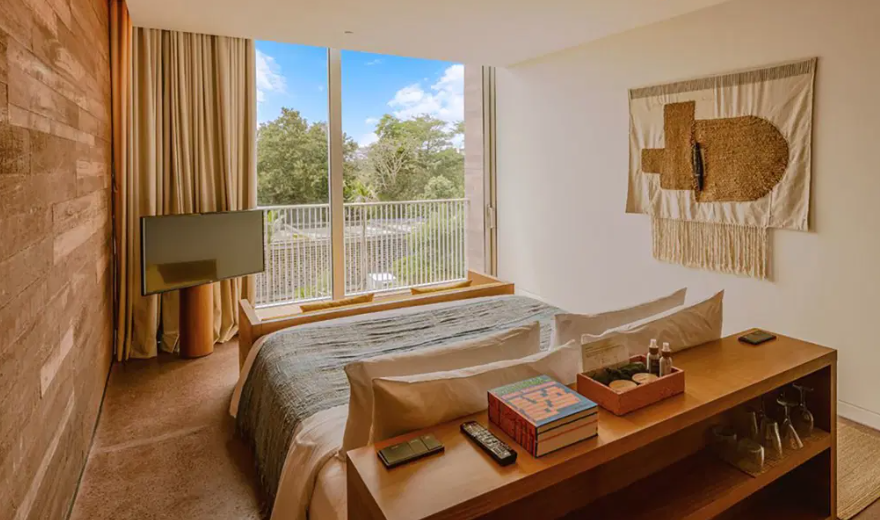
Source: Desa Potato Head
Increasingly, luxury is measured not only by comfort or aesthetics, but by a hotel’s capacity to regenerate the environment, protect cultural heritage and invest in its community. By introducing the Eco Hotel Award, The World’s 50 Best Hotels acknowledges that true luxury must also be responsible luxury. The SRA-assured award process ensures the recognition is grounded in real action. Energy efficiency, waste systems, water usage, biodiversity, community engagement and sourcing practices are all assessed. In this context, Desa Potato Head’s recognition is not symbolic; it is a testament to measurable progress and sustained commitment.
A New Chapter for Conscious Travel
The rise of properties like Desa Potato Head signals a turning point in global hospitality. Sustainability is no longer an optional extra. It is becoming the defining language of modern luxury. As hotels across continents embrace regenerative practices, from water conservation to community-led design, the industry moves towards an era where beauty, responsibility and experience coexist, not in compromise, but in harmony. Leading hotel groups (like Four Seasons, Rosewood, and Six Senses) are investing in renewable energy, efficient water systems, circular waste management, and local community partnerships and engagement.
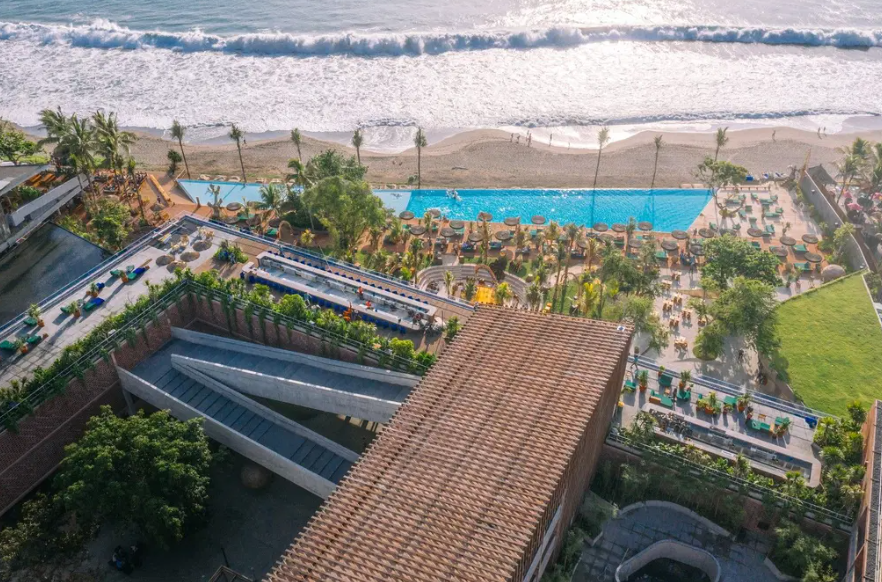
Source: Desa Potato Head
By spotlighting sustainability through an official award, 50 Best aligns itself with these industry priorities, showing that environmental and social impact are now essential measures of excellence, not side notes. Desa Potato Head embodies this future. It is a place where architecture is thoughtful, where waste becomes art, where local culture is celebrated, and where good times do good. It stands not only as the Eco Hotel Award winner for 2025, but as a global inspiration and a vibrant blueprint for the next chapter in sustainable travel.
The full 50 Best Hotels 2025 list is available on their website: https://www.theworlds50best.com/hotels/list/1-50