Courtesy of Public Archive
From ancient rituals of remembrance to the iconic Catrina make-up, Mexico's Day of the Dead is a celebration of memory, cultural identity and extraordinary artistic expression.
Every year, at the beginning of November, Mexico comes alive with vibrant colours, marigold flowers, candlelight and beautifully decorated faces.
Known as Día de los Muertos, or Day of the Dead, this remarkable tradition is not simply a celebration of death. It is a deeply meaningful occasion dedicated to remembering loved ones, honouring family connections and celebrating the continuity of life through memory.
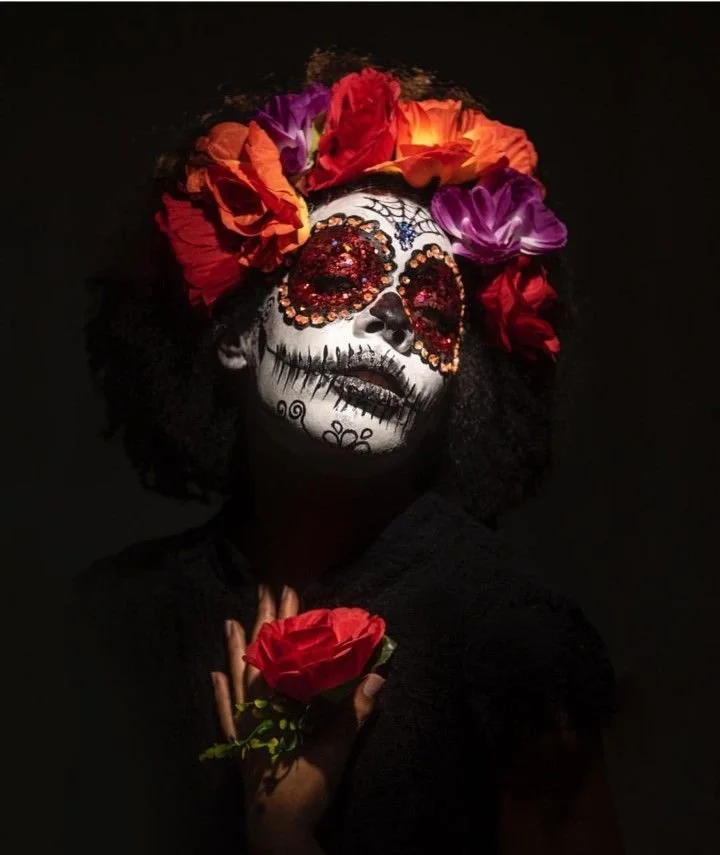
Among its most recognisable visual expressions is the elaborate skull make-up associated with La Catrina, a figure that has become an international symbol of Mexican art and culture.
Behind these striking transformations lies a fascinating history in which tradition, symbolism and beauty come together.
The Origins of Día de los Muertos
The roots of the Day of the Dead can be traced to Indigenous traditions in Mexico, where rituals honouring the deceased existed long before the arrival of Europeans.
Over time, these customs became intertwined with Catholic observances, particularly All Saints' Day on 1 November and All Souls' Day on 2 November.
The result was a distinctive celebration combining Indigenous beliefs, religious traditions and regional cultural practices.
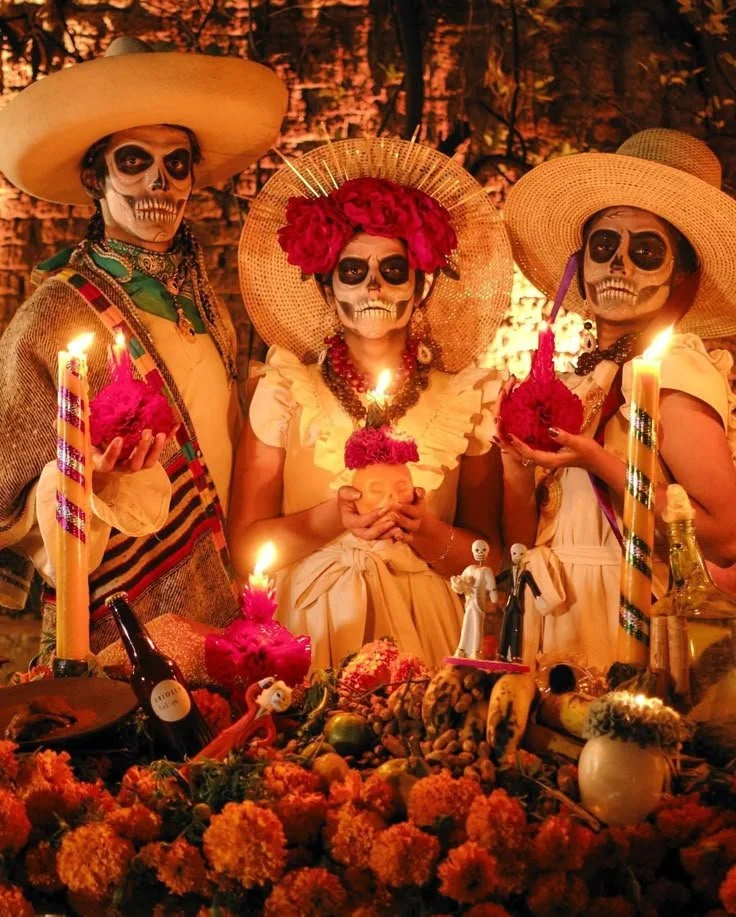
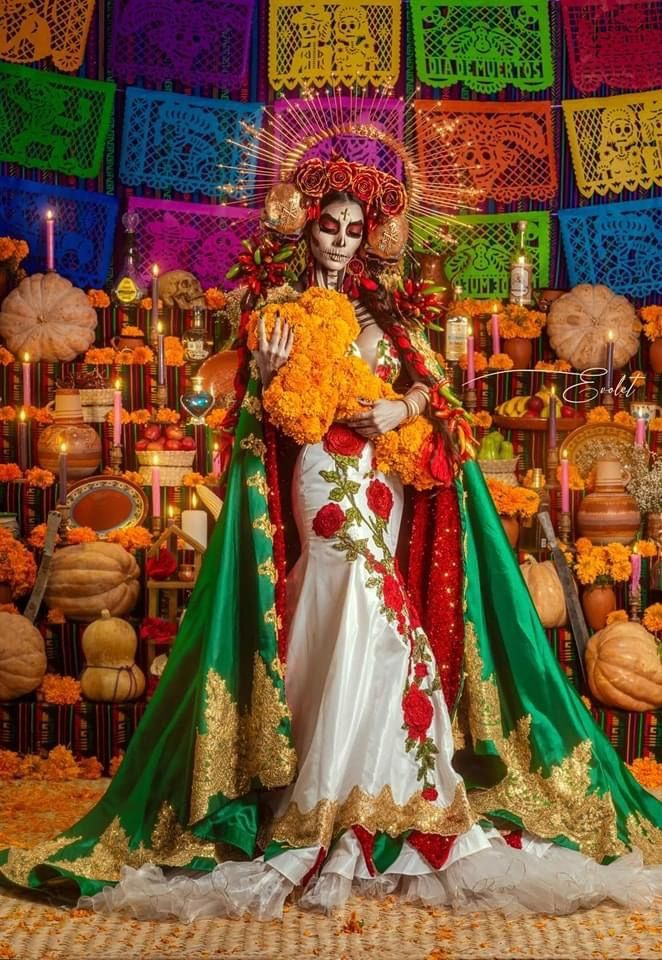
Families prepare ofrendas, or altars, decorated with photographs, candles, favourite foods, personal belongings and flowers to welcome and honour the memory of those who have died.
Courtesy of Public Archive
One of the most important symbols is the cempasúchil, the Mexican marigold, whose vivid orange petals are traditionally associated with guiding spirits towards the offerings prepared in their honour.
Rather than focusing exclusively on grief, the celebration creates space for remembrance, affection and a sense of connection between generations.
La Catrina: The Elegant Face of Death
Perhaps the most famous figure associated with Día de los Muertos is La Catrina, the elegantly dressed female skeleton often portrayed wearing an elaborate hat adorned with flowers and feathers.
Her origins can be traced to the work of Mexican illustrator José Guadalupe Posada, who created the skeletal figure known as La Calavera Garbancera in the early twentieth century.
Courtesy of Public Archive
Originally conceived as social satire, the image criticised the pretensions of those who sought to imitate European aristocratic fashions whilst distancing themselves from their Mexican heritage.
The figure later gained wider recognition through the work of artist Diego Rivera, who depicted her in elegant clothing in his mural Dream of a Sunday Afternoon in Alameda Central Park.
Over time, La Catrina became one of the most recognisable symbols of Mexican cultural identity and the Day of the Dead.
Today, her image represents much more than a decorative skeleton. It reflects the idea that death is universal, regardless of wealth, status or appearance.
The Art of Catrina Make-up
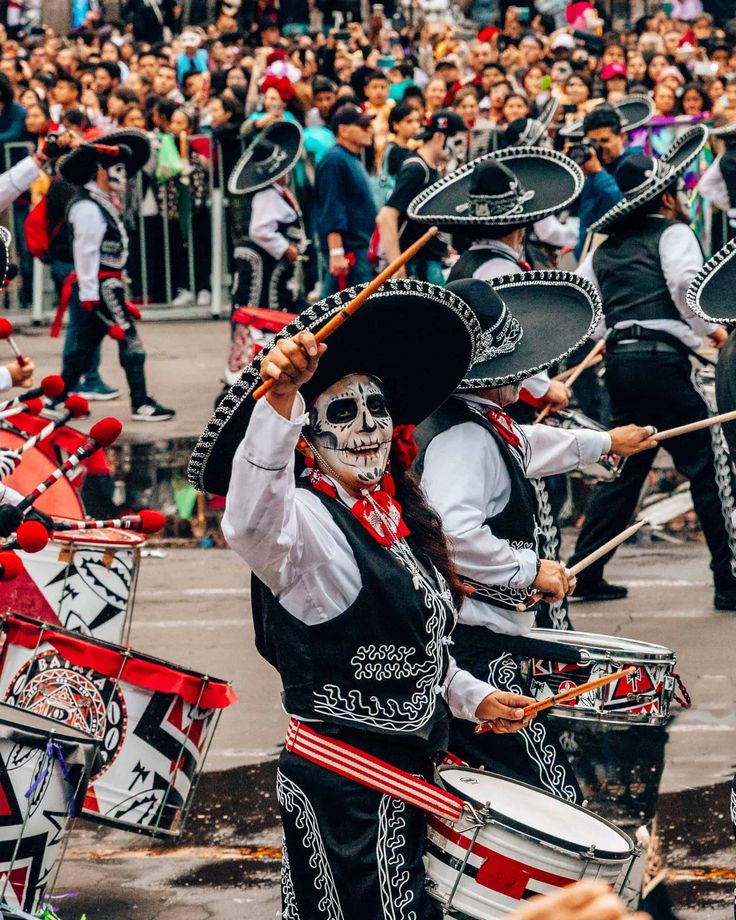
La Catrina's distinctive appearance has inspired an extraordinary tradition of artistic face painting.
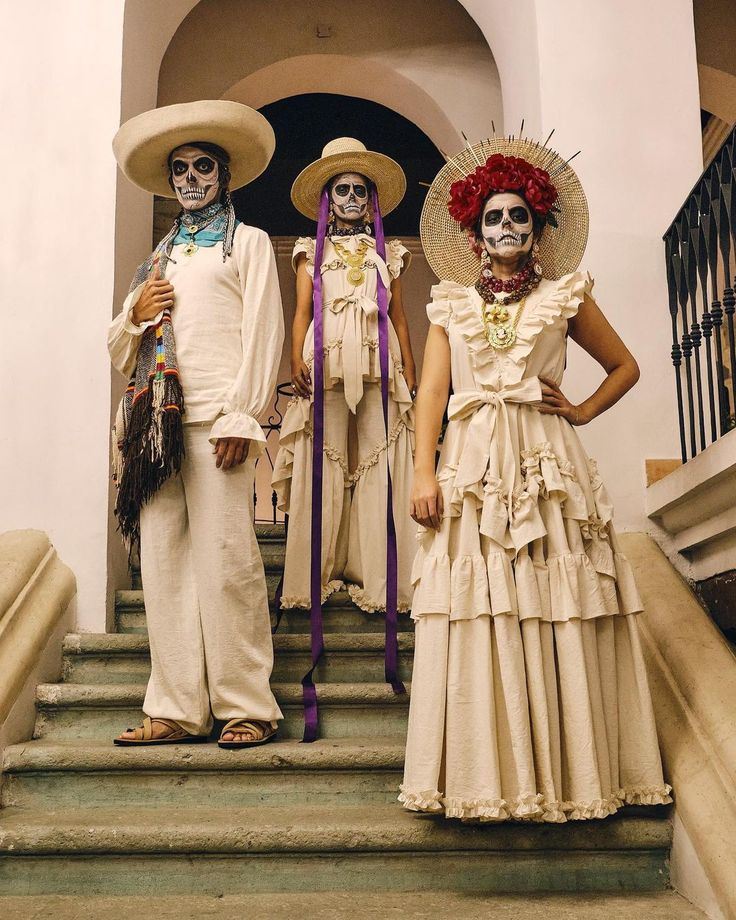
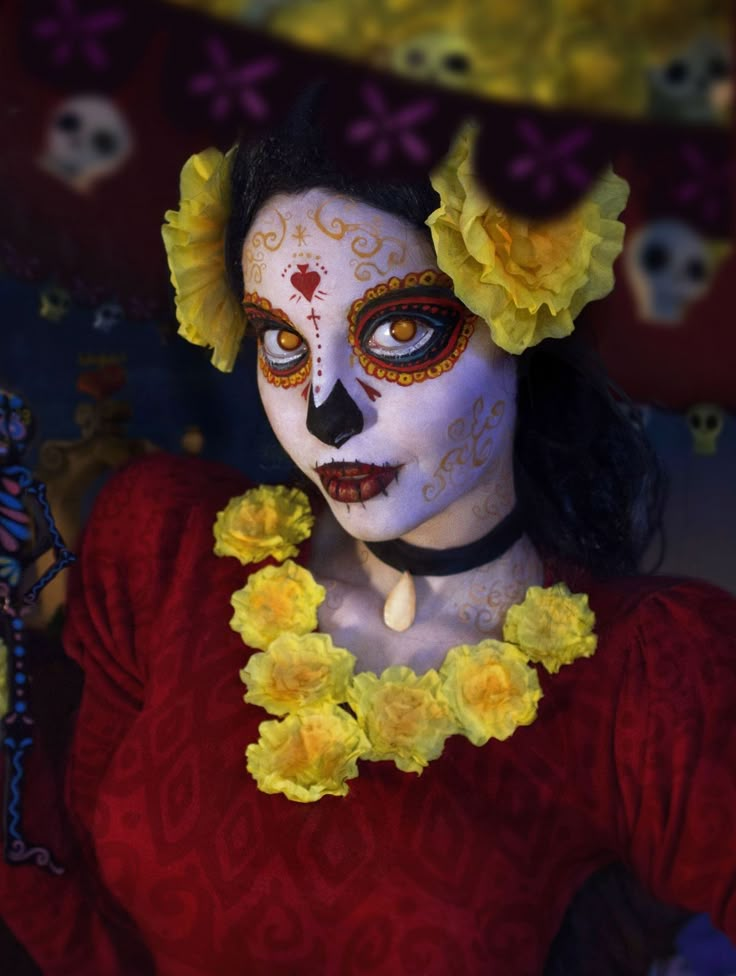
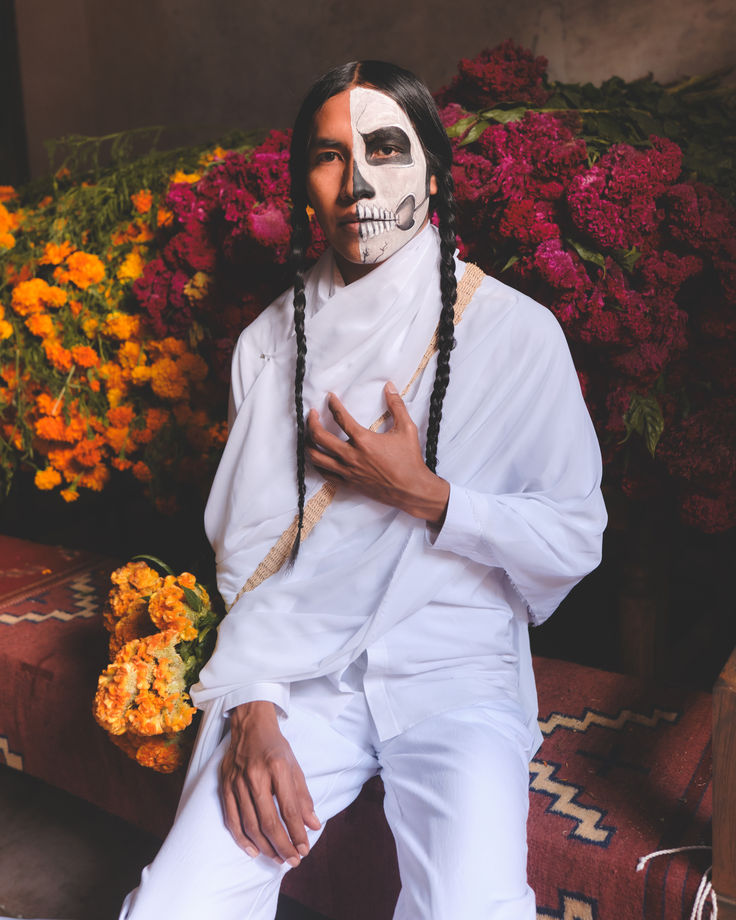
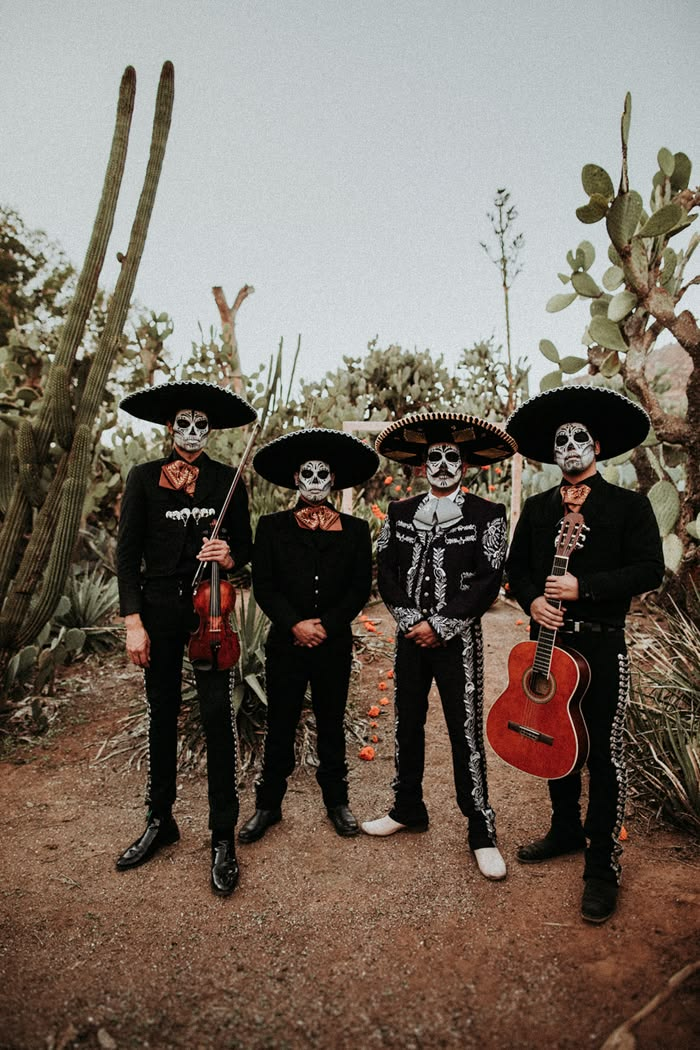
The classic interpretation begins with a pale or white base, creating the impression of a skull.
Dark shading around the eyes adds depth, whilst carefully painted details around the nose, cheeks and mouth recreate the structure of a skeleton.
Courtesy of Public Archive
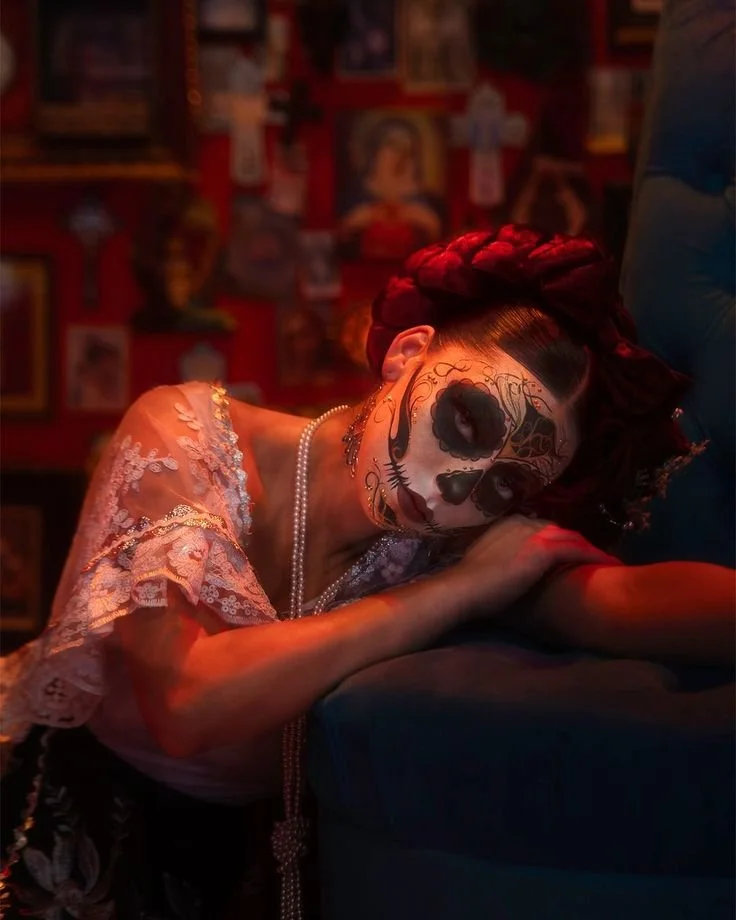
Floral patterns, delicate lines and ornamental designs transform the face into an elaborate artistic composition.
Unlike conventional horror make-up, Catrina-inspired beauty frequently celebrates colour, symmetry and decoration.
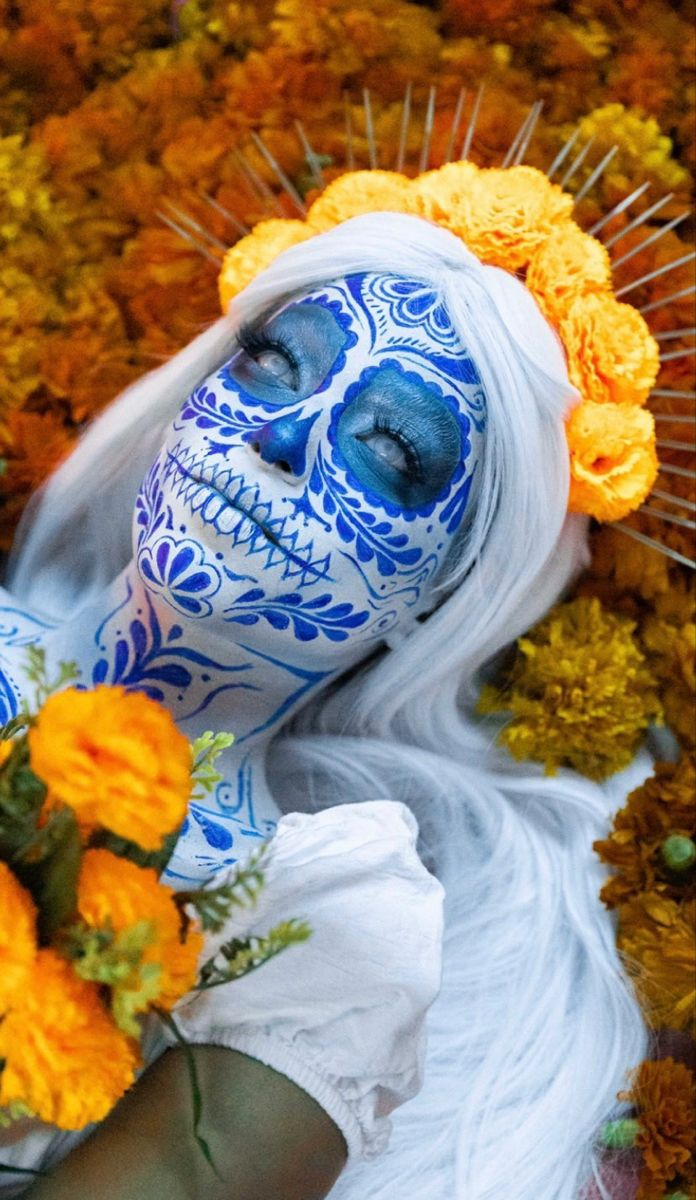
Vibrant shades of red, fuchsia, violet, turquoise and gold are often combined with black and white to create dramatic contrast.
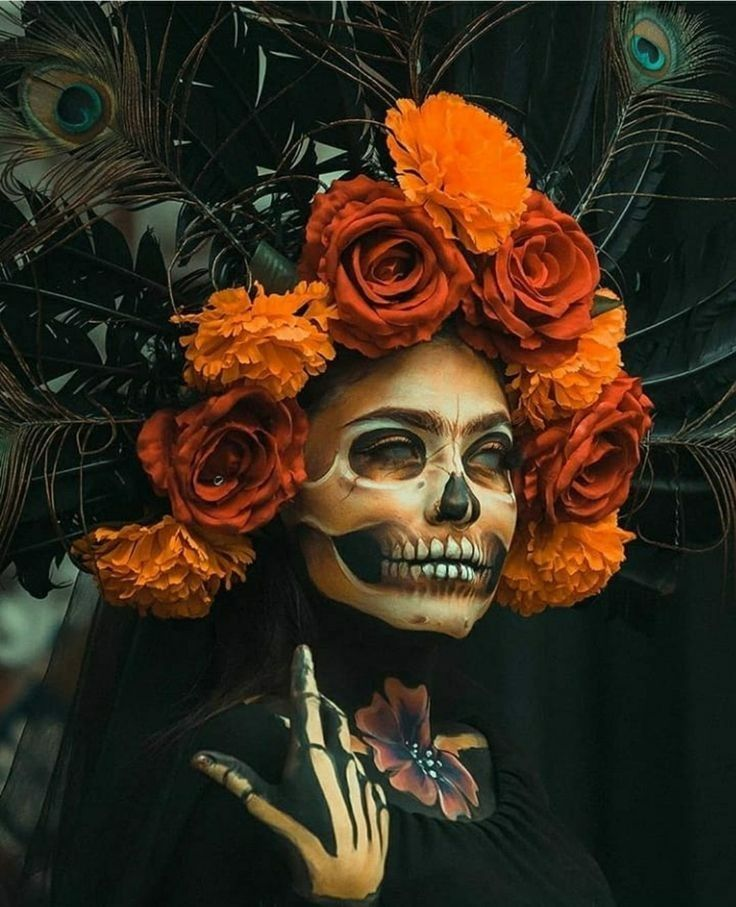
Flowers, gemstones and decorative headpieces complete the transformation, giving the character an appearance that is both theatrical and elegant.
Each interpretation can be unique, reflecting the creativity of the artist and the personal meaning of the celebration.
From Traditional Face Painting to Contemporary Beauty
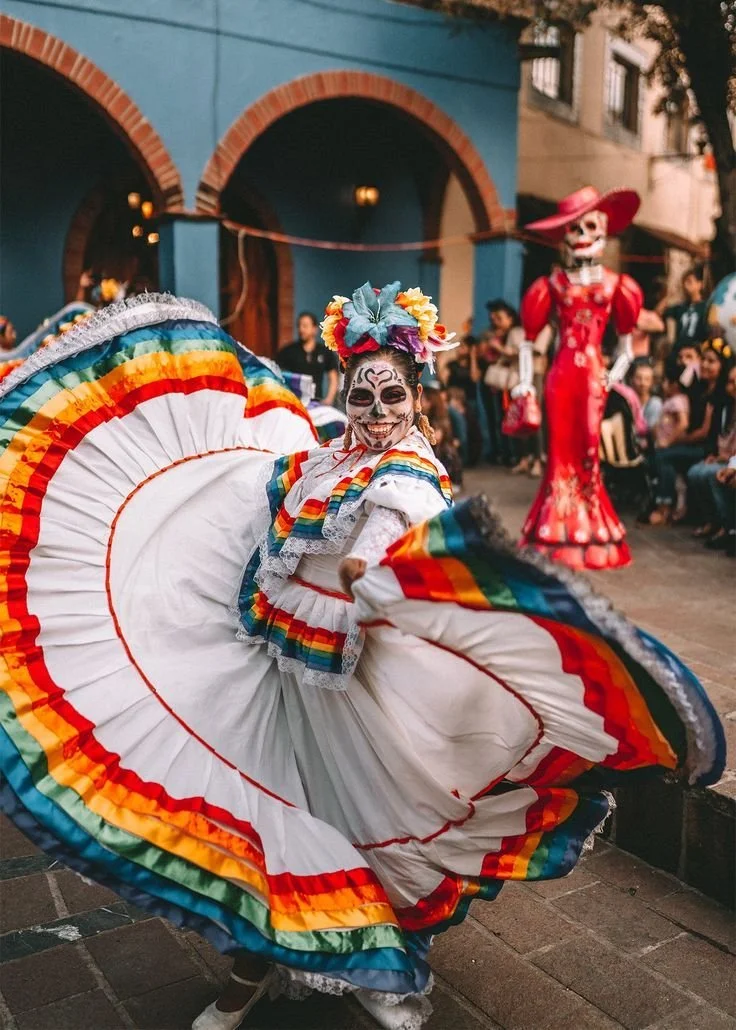
As Día de los Muertos has gained international visibility, Catrina-inspired make-up has also influenced fashion photography, artistic performances and contemporary beauty culture.
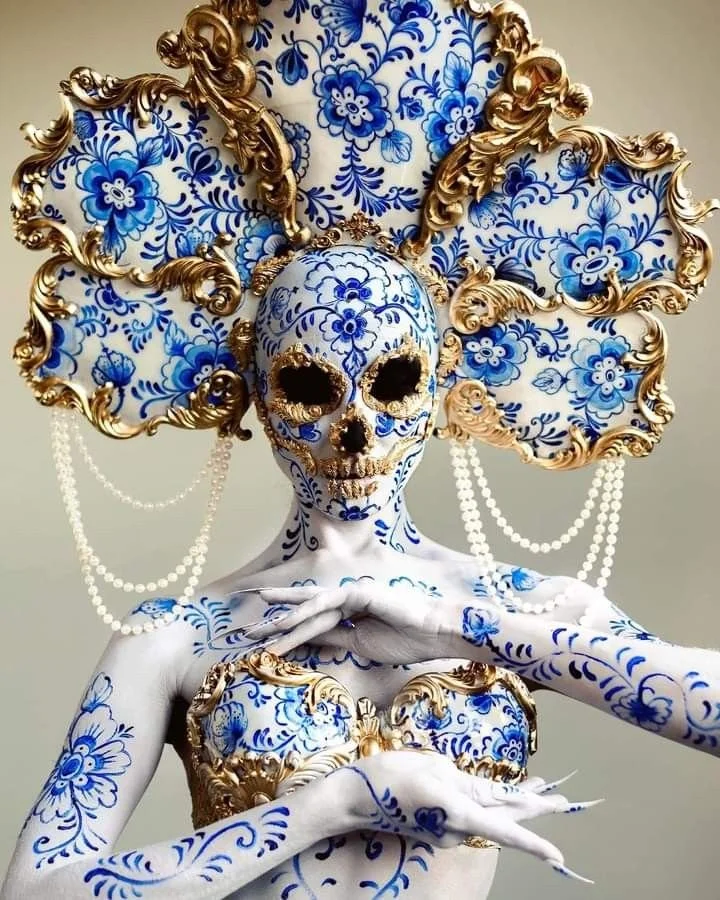
Professional make-up artists now explore increasingly elaborate interpretations, incorporating metallic pigments, intricate eyeliner, crystals and three-dimensional details.
Some designs remain faithful to traditional skull imagery, whilst others introduce a softer, more glamorous aesthetic.
Courtesy of Public Archive
Classic Catrina Beauty
A white or pale complexion, dark eye sockets, delicate skeletal details and vibrant floral decorations create the most recognisable interpretation.
Floral Catrina Glamour
Richly coloured flowers, softly blended eyeshadow and decorative accents introduce a romantic dimension to the traditional look.
Golden Catrina
Metallic gold pigments, luminous highlights and carefully placed embellishments create a sophisticated interpretation inspired by ornamental art.
Modern Minimalist Catrina
Subtle skull details, precise eyeliner and a limited colour palette offer a contemporary approach without requiring a full-face transformation.
These styles demonstrate the versatility of make-up as an artistic medium, although their cultural meaning remains rooted in a specific Mexican tradition.
The Meaning Behind the Make-up
What makes Día de los Muertos beauty particularly fascinating is the symbolism behind its visual language.
The skull is not simply intended to frighten. Within the celebration, it can represent the acceptance of mortality and the enduring relationship between life and death.
Courtesy of Public Archive
Flowers evoke remembrance and the beauty of life's fleeting moments, whilst bright colours bring warmth and vitality to the occasion.
La Catrina's elegance also introduces an important cultural message: appearances and social distinctions ultimately disappear in the face of mortality.
For this reason, Catrina make-up carries a significance that extends beyond its aesthetic appeal.
It is an expression of heritage, remembrance and artistic identity.
A Tradition That Continues to Inspire
From its Indigenous roots and centuries of cultural evolution to the extraordinary Catrina creations seen today, Día de los Muertos remains one of Mexico's most visually distinctive traditions.
Its influence on contemporary make-up demonstrates how beauty can preserve cultural narratives whilst encouraging creativity and artistic innovation.
Courtesy of Public Archive
Yet the essence of the celebration remains deeply personal: remembering those who came before us and recognising the connections that continue beyond their lives.
More than an elaborate beauty transformation, Catrina make-up is a reminder that art can give colour to memory, elegance to symbolism and a visible expression to the enduring bond between life and death.
